
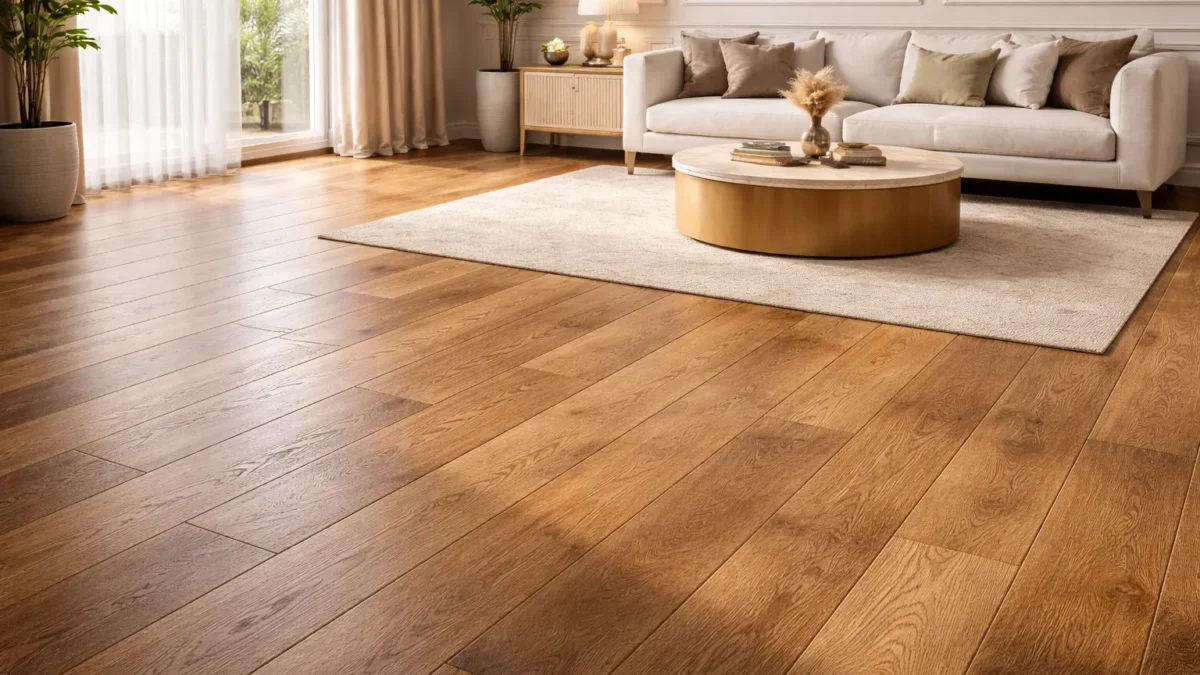

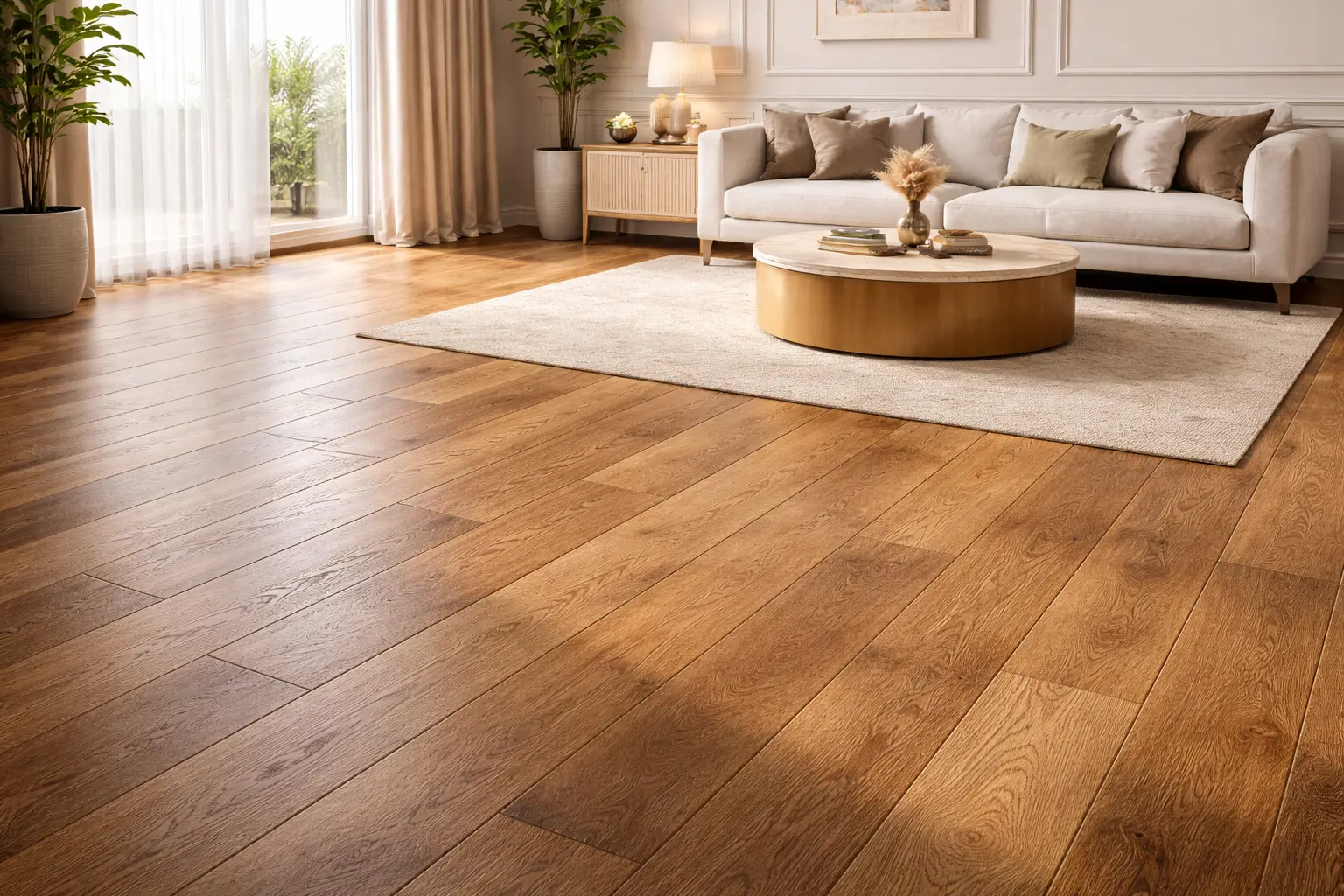
Solid and engineered hardwood floorings represent a substantial financial and aesthetic investment in any residential property. Renowned for their timeless elegance, structural integrity, and ability to increase property valuation, these architectural features can endure for generations. However, their longevity depends directly on an intentional, systematic approach to preventative care and environmental maintenance.
Establishing a Systematic Cleaning Routine
Developing an effective cleaning regimen requires balancing regular soil removal with a strict avoidance of excess moisture and abrasive tools. Fine particulates like outdoor silica, quartz sand, and airborne dust act exactly like sandpaper under foot traffic. As family members walk across a dusty floor, these microscopic shards cut micro-grooves into the protective clear coat, gradually dulling the factory finish and exposing raw wood fibers to damage.
Daily care should focus exclusively on dry particulate removal. Utilize a high-quality microfiber dust mop or a soft-bristled broom designed specifically for wood surfaces. Microfiber is particularly effective because it relies on static electricity to attract and capture fine dust particles rather than merely scattering them across the room plane.
When utilizing a vacuum cleaner, certain precautions are mandatory. You must completely disengage the rotating brush or beater bar feature. The stiff, nylon bristles of a spinning beater bar strike the clear coat with significant mechanical velocity, causing micro-scratches and finish fractures that allow ambient moisture to seep beneath the protective film. Utilize dedicated hard-surface floor attachments featuring natural felt or rubber wheels to ensure smooth movement across the planks.
Moist cleaning should occur with strict moderation, typically on a bi-weekly or monthly basis, depending on household occupancy and traffic patterns. Never utilize a traditional string mop or an oversaturated sponge mop, as these tools dump pooling water onto the floor surface. Excess liquid migrates rapidly into the expansion joints between planks, causing cellular swelling, edge cupping, and structural adhesive failure in engineered configurations. Instead, apply a specialized, pH-neutral hardwood spray cleaner lightly with a damp microfiber pad, ensuring the surface dries completely within two minutes of application.
Controlling Interior Climate and Relative Humidity
Because wood retains hygroscopic properties, it continuously absorbs and releases moisture vapor to balance itself with the surrounding atmosphere. This constant exchange directly alters the physical volume of the wood planks, causing predictable geometric shifts throughout the calendar year.
During the summer months, elevated relative humidity forces wood cells to expand. If the expansion exceeds the intentional expansion gaps left around the perimeter of the room during installation, the boards push against each other, causing cupping, where the edges of the planks rise higher than the center. Conversely, winter heating cycles dry out the indoor air, forcing wood to contract. This results in visible gapping between floorboards, exposing the tongue-and-groove connections to dust and liquid infiltration.
To mitigate these geometric fluctuations, homeowners must maintain a stable indoor microclimate. The ideal residential environment for hardwood flooring requires keeping relative humidity strictly between thirty-five percent and fifty-five percent. Simultaneously, ambient interior temperatures should hover consistently between sixty degrees and eighty degrees Fahrenheit.
Achieving this stability requires utilizing dedicated mechanical systems. During humid seasons, rely on central air conditioning or high-capacity dehumidifiers to extract excess water vapor from the air. In the winter, integrate whole-house or heavy-duty evaporative humidifiers to introduce controlled moisture into the dry indoor air current. Monitoring these metrics via a digital hygrometer placed in high-visibility living areas provides the data needed to adjust climate control settings before structural warping occurs.
Preventative Protection Against Mechanical Impact
While topcoats provide robust protection against liquid stains and light scuffing, they cannot absorb high-velocity structural impacts or heavy static loads. Preventing physical dents, deep gouges, and finish penetration requires a series of deliberate household adaptations.
-
Strategic Entry Mats: Position heavy-duty walk-off mats both outside and inside all exterior doorways. These mats trap abrasive outdoor debris, moisture, and road salts before they ever make physical contact with the wood surface. Ensure mats feature a breathable backing material; solid rubber or dense vinyl backings trap natural moisture vapor underneath, causing permanent wood discoloration.
-
Furniture Protective Pads: Attach thick, heavy-duty wool or synthetic felt pads to the bottom of all furniture legs, chairs, tables, and heavy storage cabinets. Avoid hard plastic glides or metal caps, which collect fine sand particles underneath and scratch the floor whenever furniture shifts. Inspect and replace these felt pads biannually, as they compress and trap abrasive debris over time.
-
Footwear Protocols: Establish a strict no-shoes policy inside the home. High heels, sport cleats, and heavy work boots present a severe danger to wood flooring. A standard stiletto heel worn by a person of average weight can exert an impact pressure exceeding eight thousand pounds per square inch. This extreme localized pressure shatters the wood cellular structure instantly, leaving deep, permanent dents that cannot be easily buffed out.
Managing Pet Traffic and Sun Exposure
Domestic pets present unique challenges to the structural integrity and cosmetic appearance of natural wood floors. Managing their habits is essential for long-term floor preservation.
Keep your pets’ claws clipped and filed smooth continuously. When a dog or cat runs across a hard floor, their nails apply a dynamic puncturing force that can easily penetrate thin polyurethane coats. If scratches do occur, address them immediately with specialized wood touch-up kits or color-matched wax sticks to reseal the exposed timber grain against atmospheric moisture.
Furthermore, pet accidents require instant remediation. Animal urine is highly acidic and contains concentrated urea compounds. If left standing on wood, the liquid penetrates the clear coat within hours, reacting chemically with the natural tannins inside the wood cells. This chemical reaction creates deep, dark gray or black stains that penetrate deep into the heartwood, often requiring complete board replacement to resolve. Clean accidents instantly using a specialized enzymatic cleaner formulated specifically for hardwood surfaces.
Sunlight represents another silent catalyst for degradation. Direct ultraviolet and infrared light rays break down the chemical bonds within both the wood cells and the protective topcoat. This process, known as photodegradation, alters the appearance of the floor over time. Light-colored species like maple or ash will often yellow or darken, while darker exotic woods like cherry or walnut can fade drastically.
To manage this solar impact, utilize sheer window curtains, solar blinds, or low-emissivity window films to filter out damaging ultraviolet wavelengths. Regularly rotating large area rugs and shifting heavy furniture arrangements also ensures that natural color maturation occurs evenly across the entire expanse of the floor.
Avoiding Destructive Chemical Treatment Practices
A significant portion of premature floor failures stems directly from using incorrect, over-marketed chemical cleaning agents. Understanding what products to avoid is vital for maintaining finish integrity.
Never apply commercial wax-based products, oil soaps, or silicone-based polishes to a modern floor sealed with a polyurethane or aluminum oxide finish. These products are designed for old, unsealed floors or specific hand-rubbed oil finishes. When applied to modern surface finishes, they leave behind a sticky, microscopic chemical residue. This film cannot dry completely, turning the floor into a magnet for household dirt and dust.
Over time, this chemical buildup dulls the floor’s original luster. Worse, the presence of silicone or wax residues makes it impossible to perform a simple “screen and coat” restoration later on. When a homeowner attempts to apply a fresh coat of polyurethane over a contaminated floor, the new finish cannot bond to the wood, causing widespread peeling and necessitating a full, expensive sanding down to the bare timber.
Additionally, avoid using homemade solutions featuring white vinegar or ammonia. Vinegar is highly acidic, with a pH usually hovering around two point five. When applied regularly, this acid breaks down the poly-chemical bonds of the floor’s top coat, slowly eating away the gloss and leaving the surface looking dry, cloudy, and worn out. Stick exclusively to dedicated, commercial cleaners formulated to maintain a neutral pH of seven.
Frequently Asked Questions
What is the difference between a screen-and-coat restoration and a full sanding renovation?
A screen-and-coat restoration is a preventative maintenance procedure where only the very top layer of the clear polyurethane finish is lightly abraded using a buffering machine fitted with a fine mesh screen. Once the surface is scuffed, a completely fresh topcoat of polyurethane is applied. This process removes superficial scuffs and restores even gloss without removing any actual wood wood fiber. A full sanding renovation, however, involves grinding down through the clear coat into the bare wood using heavy drum sanders to remove deep gouges, deep stains, or severe cupping, allowing you to re-stain the raw timber entirely.
How often can a standard solid hardwood floor be fully sanded down before it needs replacement?
A standard three-quarter-inch solid hardwood floor can generally be fully sanded and refinished four to six times over its operational lifespan. The limiting factor is the thickness of the wood layer sitting directly above the tongue-and-groove interlocking system. Once that wear layer is sanded down close to the fasteners, the structural integrity of the planks is compromised, and further sanding will expose the metal staples or nails, requiring a full floor replacement.
Can steam mops be used safely on engineered hardwood flooring configurations?
No, steam mops should never be used on any form of hardwood flooring, whether it is solid or engineered. Steam mops work by forcing superheated moisture vapor deep into porous surfaces under pressure. This heat and moisture instantly penetrate the seams between the wood planks, softening the structural adhesives used in engineered flooring and causing the wood veneer layers to delaminate and peel away. The moisture also causes rapid wood cell expansion, leading to irreversible cupping and buckling.
What should I do immediately if a major plumbing leak floods a portion of my hardwood floor?
If a plumbing failure occurs, remove all standing water instantly using wet-dry utility vacuums and heavy absorbent towels. Once the bulk liquid is gone, deploy heavy-duty commercial dehumidifiers and high-velocity air movers directly over the affected zone to draw trapped moisture out from the subfloor and planks. Keep these machines running continuously for several days. Do not attempt to heat the room artificially, as rapid thermal changes can split and crack the wet wood cells.
How do I identify whether my hardwood floor has a surface finish or a penetrating oil finish?
To determine your floor finish type, find an inconspicuous corner and place a single drop of water onto the surface. If the water bead remains sitting on top of the wood without soaking in, your floor has a modern surface finish like polyurethane. If the water drop absorbs into the wood grain within a couple of minutes, darkening the timber, the floor has been treated with a penetrating oil or wax finish, which requires completely different, wax-safe maintenance products.
Why are rubber-backed area rugs discouraged for use directly on hardwood floors?
Rubber, latex, and dense vinyl rug backings contain synthetic plasticizers and chemicals that trap heat and moisture vapor rising naturally from the subfloor. Because the moisture cannot escape into the room air, it interacts chemically with the polyurethane top coat, causing a chemical reaction known as plasticizer migration. This leaves permanent, dull yellow or cloudy white stains on the wood finish that cannot be cleaned or buffed away, requiring localized sanding to repair.
