
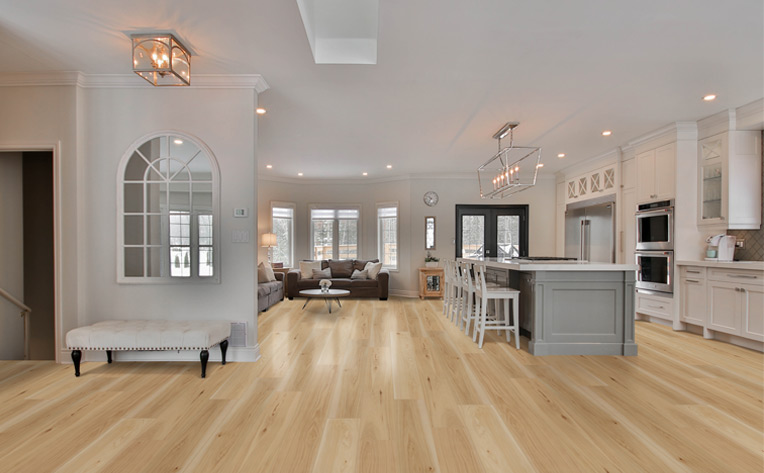

Selecting the right flooring for a kitchen remodeling project is one of the most critical decisions a homeowner can make. The kitchen is uniquely demanding environment. It experiences heavy foot traffic, frequent structural shifts from heavy appliances, drops of heavy cast iron pans, and near-constant exposure to moisture, grease, and staining agents.
At the same time, because the kitchen serves as the visual anchor of the modern home, the flooring must look exceptional. The right material must strike a flawless balance between rugged structural durability and an aesthetic language that complements your cabinetry, countertops, and overall architectural style. By analyzing the unique attributes of top modern materials, you can choose a floor that stands up to daily wear while elevating your home design.
1. Analyze the Crucial Selection Criteria
Before diving into specific design trends or material types, you need to understand the physical forces your kitchen floor will encounter. Evaluating options against a core set of functional benchmarks will prevent costly installation mistakes.
Moisture and Stain Resistance
Water is the ultimate enemy of residential flooring. Between dishwasher leaks, sink splashes, and spilled pots of boiling liquid, kitchen floors face routine liquid exposure. Choosing a non-porous or properly sealed material ensures that liquids remain on the surface where they can be wiped away, rather than sinking into the subfloor to cause rot, mold, or warping.
Impact and Scratch Resistance
Think about your daily kitchen workflow. Heavy canned goods drop from upper cabinets, bar stools scrape across the floor beneath the island, and pets run across the space with untrimmed claws. A kitchen floor requires a high level of hardness to resist permanent indentations, deep scratches, and chips.
Ergonomics and Comfort
If you love spending hours baking or preparing elaborate multi-course meals, ergonomics matter. Standing on an unforgiving surface like natural stone or solid concrete for long periods can cause fatigue in your feet, knees, and lower back. If you choose a hard material, you may need to pair it with strategic comfort mats in your primary prep zones, or opt for a material with natural internal resilience.
2. Evaluate the Top Kitchen Flooring Materials
Modern manufacturing techniques have closed the gap between durability and appearance. Today, homeowners can enjoy the luxurious look of natural materials without inheriting their structural vulnerabilities.
Luxury Vinyl Plank and Tile
Luxury vinyl has revolutionized residential design. Composed of multiple layers including a dense core, a high-definition photographic print layer, and a clear protective wear layer, luxury vinyl replicates the texture and appearance of genuine hardwood or natural stone with startling accuracy.
-
The Durability Factor: It is completely waterproof, making it impervious to spills and minor plumbing leaks. The thick wear layer provides excellent resistance to scratches and pet damage.
-
The Style Factor: It allows for a seamless visual transition in modern open-concept floor plans, allowing you to run a beautiful wood-plank look directly from the living room straight through the high-moisture kitchen zone.
Porcelain and Ceramic Tile
Tile has long been a traditional standard for kitchen environments due to its nearly indestructible nature. Fired at extremely high temperatures, porcelain tile is denser and less porous than standard ceramic tile, offering superior water resistance.
-
The Durability Factor: It is highly resistant to scratches, dents, and stains. It can easily withstand the weight of commercial-grade appliances without cracking.
-
The Style Factor: The design options are virtually limitless. From large-format concrete looks and intricate geometric patterns to tiles that mimic natural marble veining, tile allows for high design customization. However, the grout lines must be sealed properly to prevent discoloration over time.
Engineered Hardwood
While solid hardwood is prone to moisture damage and warping in kitchen environments, engineered hardwood offers a more stable alternative. It features a thin veneer of real premium wood bonded over multiple cross-grained layers of plywood or high-density fiberboard.
-
The Durability Factor: The cross-grain construction prevents the wood from expanding and contracting dramatically when humidity levels change. While it is more water-resistant than solid wood, it is not completely waterproof and requires immediate clean-up of any spills.
-
The Style Factor: It delivers the unmistakable warmth, character, and luxury of real wood. It adds instant resale value to a home and feels warm and comfortable underfoot compared to stone or tile.
Natural Stone
For a luxury high-end appearance, materials like slate, travertine, marble, and quartzite are timeless choices. Each tile features unique veining and tonal variations that cannot be perfectly replicated by human manufacturing.
-
The Durability Factor: Stone is incredibly hard and long-lasting, but it is naturally porous. It requires regular application of a high-quality chemical sealer to prevent oils, wines, and acids from seeping into the stone and creating permanent stains.
-
The Style Factor: It provides an organic, high-end texture that fits both rustic old-world kitchens and ultra-modern spaces. It is an investment material that ages beautifully if properly maintained.
3. Coordinate Flooring with Your Kitchen Palette
A beautiful floor does not exist in a vacuum. To create a cohesive look, the flooring material must actively converse with the other dominant surfaces in the room, specifically the cabinetry and the countertops.
The Rule of Contrast
If your kitchen layout features dark, moody perimeter cabinets, pairing them with an equally dark floor can make the space feel compressed and cave-like. Instead, balance dark cabinetry with a light to medium neutral floor. Conversely, if you have a bright white kitchen, a warm wood-toned floor or a deep charcoal tile provides a grounding contrast that prevents the space from looking sterile.
Managing Undertones
Every material has either a warm, cool, or neutral undertone. For example, if your quartz countertops feature cool gray veining, choosing a floor with a strong, warm orange or red undertone can create visual tension. Match cool tones with cool grays or crisp whites, and pair warm wood cabinetry with warm earthy stones or golden tones.
4. Maintenance and Longevity Planning
Every flooring option carries a specific lifetime maintenance cost. Be honest about your lifestyle and cleaning habits before making your final selection.
If you prefer a true set-it-and-forget-it option, porcelain tile or luxury vinyl requires nothing more than routine sweeping and damp mopping with a pH-neutral cleaner. They require no special ownership habits. On the other hand, natural stones and hardwoods require specialized wood cleaners, immediate attention to liquid spills, and periodic resealing or refinishing every few years to protect your initial financial investment.
FAQ
What is the absolute most waterproof flooring option for a busy family kitchen?
Luxury vinyl plank and high-quality porcelain tile are the top waterproof options. Water can sit on these surfaces for extended periods without causing the material to swell, warp, buckle, or delaminate, making them ideal for busy households with children and pets.
Can luxury vinyl plank flooring withstand the heavy weight of a refrigerator and professional range?
Yes. High-quality luxury vinyl features a rigid core construction designed to distribute heavy weight without denting. However, it is essential to use protective sliders or felt pads under heavy appliances when sliding them into place to prevent gouging the surface during installation.
Why do grout lines on kitchen tile floors turn dark, and how can I prevent it?
Grout is naturally porous and acts like a sponge for dirty mop water, grease, and spilled food particles. To prevent discoloration, grout lines should be sealed with a penetrating sealer immediately after installation and resealed annually. Choosing a darker or neutral gray grout instead of bright white also helps hide daily wear.
Is it safe to install radiant under-floor heating beneath kitchen tile?
Porcelain and ceramic tiles are excellent conductors of heat, making them the perfect pairing for radiant heating systems. The heat transfers directly through the tile, transforming a traditionally cold floor into a warm, comfortable surface during the winter months. Always verify that your specific flooring manufacturer approves of under-floor heating before installation.
What does the wear layer rating mean when looking at vinyl flooring?
The wear layer is the clear top coating that protects the photographic design layer from scratches and scuffs. It is measured in mils. For a high-traffic kitchen, you should look for a wear layer of at least 12 mils, though 20 mils or higher is ideal for maximizing long-term durability against pet claws and dropped items.
Can engineered hardwood floors be sanded and refinished if they get scratched?
It depends entirely on the thickness of the real wood top veneer layer. High-quality engineered hardwood with a thick wear layer can be sanded and refinished once or twice over its lifespan. Slender, budget-friendly options with a thin veneer cannot be sanded without wearing through to the core plywood layer, meaning scratches must be spot-repaired with specialized touch-up kits.
How do I prevent slippery floors in a kitchen where oil and water spills are common?
When selecting tile or stone, look for options with a matte, textured, or honed finish rather than a polished high-gloss shine. Many modern tiles carry a specific dynamic coefficient of friction rating, and choosing a tile rated for wet spaces ensures adequate slip resistance underfoot.
