

With utility costs steadily rising across the United States, managing monthly household expenses has become a priority for many homeowners. Heating, cooling, and powering a modern home can quickly add up, leaving many searching for ways to curb their energy consumption. Fortunately, strategic home improvements offer a practical and permanent solution to this problem.
By making targeted upgrades to your property, you can drastically reduce your dependency on the grid, lower your carbon footprint, and put hundreds, if not thousands, of dollars back into your pocket each year. From minor weekend DIY projects to major structural overhauls, these energy-efficient investments pay dividends over time while simultaneously increasing the overall market value of your home.
The Economics of Energy Efficiency
Before diving into specific home improvements, it is essential to understand the financial mechanics of energy efficiency. Every dollar you spend on utilities is an ongoing, non-recoverable expense. When you invest in energy-efficient upgrades, you convert those recurring monthly expenses into home equity and long-term savings.
According to the US Department of Energy, the average American family spends over 2,000 dollars annually on utility bills. A significant portion of this energy is wasted due to poor insulation, outdated appliances, and drafts. Implementing the right upgrades can easily slash these costs by 20 to 50 percent. Furthermore, many of these improvements qualify for federal tax credits, state rebates, and local utility incentives, significantly shortening your payback period.
Plugging the Leaks: Air Sealing and Insulation
The most cost-effective place to start your energy-saving journey is with the building envelope. If your home is leaking conditioned air, your heating, ventilation, and air conditioning (HVAC) systems have to work twice as hard to maintain a comfortable indoor temperature.
Comprehensive Air Sealing
Air leaks are often found around windows, doors, electrical outlets, plumbing penetrations, and where the foundation meets the frame.
-
Caulk and Weatherstripping: Applying high-quality silicone caulk around fixed window frames and installing weatherstripping on moveable doors and windows can prevent drafts.
-
Expanding Foam: Utilizing expanding spray foam in unconditioned spaces like attics and basements to seal larger gaps around pipes and vents prevents the chimney effect, which pulls cold air into the bottom of your home and pushes warm air out the top.
Upgrading Attic and Wall Insulation
Many older homes are severely under-insulated. The attic is the primary culprit for heat loss in the winter and heat gain in the summer.
-
Fiberglass and Cellulose: Adding blown-in cellulose or fiberglass batts to your attic until it reaches the recommended R-value for your specific climate zone creates a thermal barrier that stabilizes indoor temperatures.
-
Rigid Foam Boards: For basements and crawlspaces, rigid foam insulation helps keep the floor above warm and dry, reducing the load on your heating system.
High-Performance Windows and Doors
Old, single-pane windows act as thermal holes in your home, allowing heat to escape during the winter and bake your interior during the summer. Upgrading to high-performance windows and doors can transform your home’s thermal efficiency.
Energy Star Certified Windows
Modern windows utilize advanced technology to block unwanted heat transfer.
-
Double or Triple Panes: Multiple layers of glass with insulating argon or krypton gas sealed between them provide a buffer against outside temperatures.
-
Low-E Coatings: Low-emissivity glass is treated with a microscopic metallic layer that reflects infrared heat while allowing visible light to pass through. This keeps your home cooler in the summer and warmer in the winter.
Insulated Exterior Doors
Your front and back doors should do more than provide security; they need to keep the elements out. Replacing an old wooden door with an insulated fiberglass or steel door featuring a polyurethane foam core will drastically reduce drafts and heat transfer.
Modernizing Your HVAC Systems
Heating and cooling make up more than half of the energy consumption in a typical US home. Upgrading outdated climate control systems offers some of the most dramatic energy bill reductions available.
High-Efficiency Furnaces and Heat Pumps
If your furnace or air conditioner is more than fifteen years old, it is running inefficiently compared to modern standards.
-
Variable-Speed Heat Pumps: Transitioning to an electric, air-source heat pump is one of the smartest upgrades you can make. Unlike traditional systems that turn completely on or off, variable-speed heat pumps run continuously at lower, highly efficient speeds to maintain a constant temperature.
-
Annual Fuel Utilization Efficiency (AFUE): If you choose to stick with a gas furnace, look for a system with an AFUE rating of 95 percent or higher, meaning nearly all the fuel is converted directly into heat for your home.
Programmable and Smart Thermostats
Even the most efficient HVAC system will waste money if it runs at full blast when nobody is home. A smart thermostat solves this issue by learning your schedule and preferences. You can program it to lower the heat or raise the cooling when you leave for work and return it to a comfortable level just before you arrive home, cutting your climate control costs automatically.
Redefining Water Heating Efficiency
Water heating is typically the second-largest energy expense in a household. Standard tank water heaters continuously heat gallons of water, keeping it hot twenty-four hours a day regardless of whether you are using it.
Tankless Water Heaters
Also known as demand-type water heaters, tankless systems only heat water when a faucet or appliance is turned on. By eliminating standby energy losses, tankless units can be up to 34 percent more energy-efficient than conventional storage tank heaters.
Hybrid Heat Pump Water Heaters
For even greater savings, hybrid heat pump water heaters pull heat from the surrounding indoor air and transfer it into the water tank. These units use up to 70 percent less electricity than standard electric water heaters, translating into hundreds of dollars saved annually.
Embracing Renewable Energy with Solar Panels
If you want to take your energy savings to the absolute maximum, generating your own power through residential solar panels is the ultimate home improvement.
By installing photovoltaic panels on your roof, you can drastically decrease or completely eliminate your monthly electric bill. In areas with net metering policies, any excess electricity your solar system generates during the day is pumped back into the public grid, earning you credits on your utility statement. When paired with a home battery backup system, you can store your own solar energy to power your home during peak evening hours when utility rates are at their highest.
Frequently Asked Questions
What is an energy audit, and should I get one before making upgrades?
An energy audit is a comprehensive assessment of your home performed by a professional technician who uses specialized equipment, like blower doors and infrared cameras, to pinpoint exactly where your home is losing energy. It is highly recommended to get an audit first because it provides a customized roadmap, ensuring you spend your home improvement budget on the upgrades that will yield the highest return on investment.
How much money can I realistically save by replacing my old windows?
Replacing old, single-pane windows with Energy Star certified models can save homeowners an average of 100 to 500 dollars per year on heating and cooling bills, depending on the climate and the size of the home. The savings are most pronounced in regions with extreme winter or summer weather.
Are smart thermostats difficult to install and operate?
Most smart thermostats are designed for easy DIY installation, taking less than thirty minutes with standard household tools, provided your current system has a common wire, known as a C-wire. The software interfaces are highly intuitive, featuring smartphone applications that allow you to control your home’s temperature remotely and track your energy usage in real time.
What is the payback period for a heat pump water heater?
While a hybrid heat pump water heater has a higher upfront purchase price than a standard electric tank, the energy savings are so substantial that the unit typically pays for itself within three to five years. Given that these systems usually last between ten and fifteen years, they generate significant net savings over their operational lifespan.
How does insulation help lower cooling costs during hot summer months?
Insulation is a two-way barrier. Just as it keeps heat from escaping your home in the winter, it stops scorching outdoor heat from penetrating your living spaces during the summer. By blocking this radiant heat from entering through your roof and walls, your air conditioner does not have to cycle as frequently to keep the interior cool.
Do energy-efficient upgrades increase the resale value of a house?
Yes, energy-efficient homes are highly attractive to modern homebuyers who want to avoid high utility bills. Studies consistently show that homes with verified green features, such as solar panels, high-performance insulation, and Energy Star appliances, sell faster and at a premium compared to conventional homes.
Can I get federal tax breaks for making these home improvements?
Yes, under the Energy Efficient Home Improvement Credit, US homeowners can claim a federal tax credit for up to 30 percent of the cost of eligible energy-saving renovations. There are specific annual limits depending on the upgrade, such as up to 1,200 dollars for insulation and doors, and up to 2,000 dollars for qualified heat pumps and heat pump water heaters.
Visualizing Home Energy Efficiencies
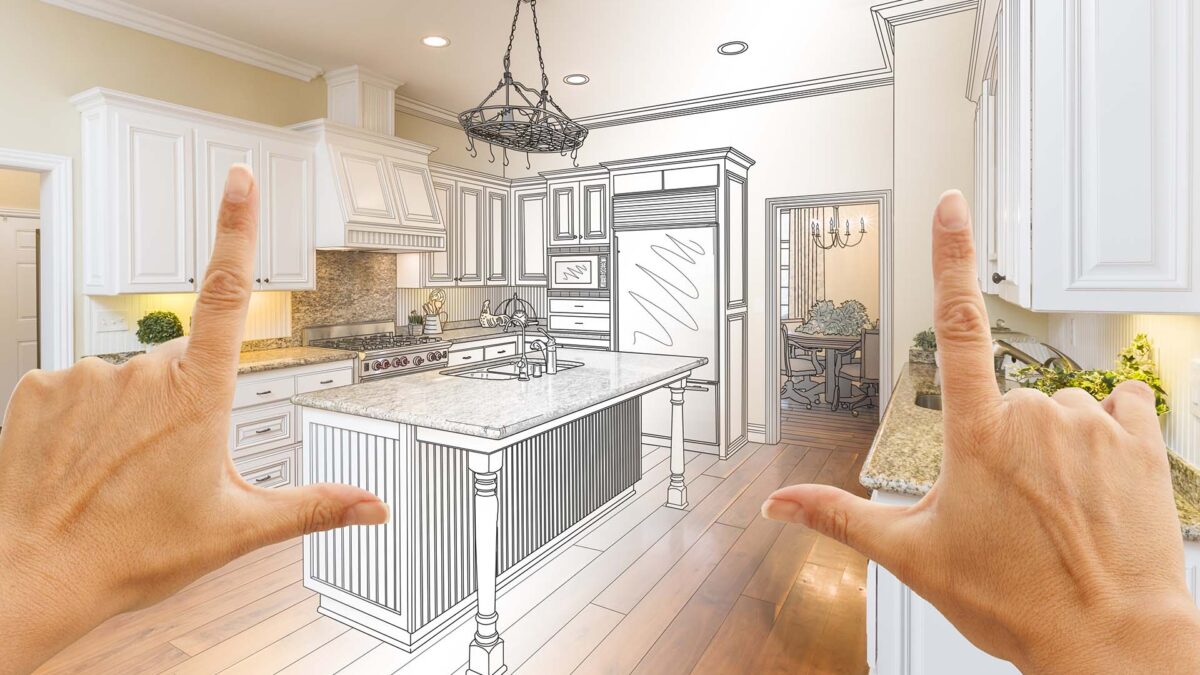
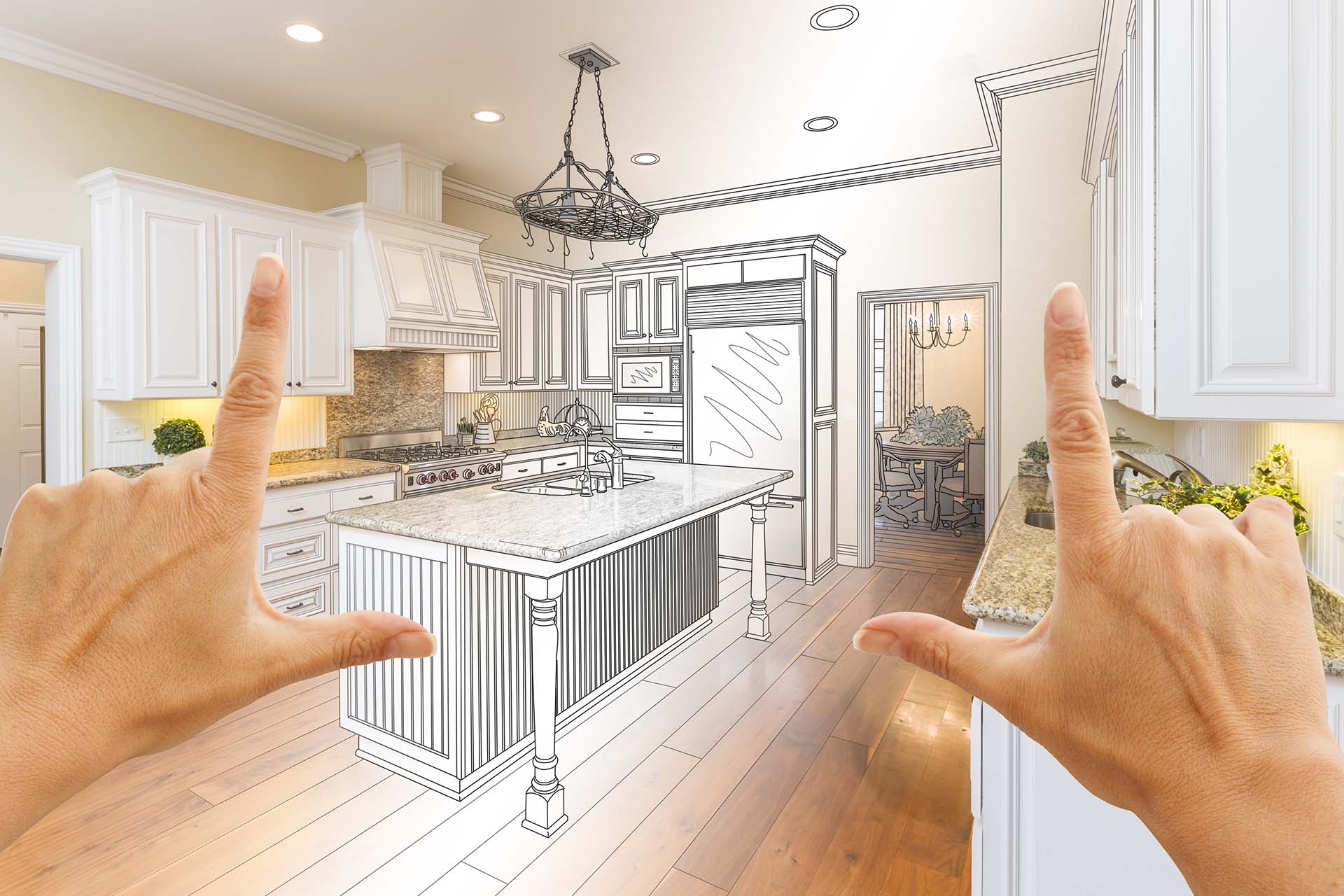
Below is an illustration demonstrating how strategic structural enhancements contribute to a more efficient and comfortable household layout:
