

Confronting shifting climate patterns and dwindling natural resources requires a fresh perspective on residential landscapes. Traditional landscaping methods often rely heavily on chemical fertilizers, intensive mowing routines, and massive amounts of fresh water. Shifting toward sustainable and water-efficient garden design allows you to create a resilient outdoor space that coexists harmoniously with the local ecosystem.
A sustainable landscape works with nature rather than attempting to dominate it. By focusing on resource conservation, soil health, and climate-appropriate vegetation, homeowners can significantly slash their monthly utility bills, cut down on tedious maintenance chores, and build a vital sanctuary for local wildlife. Achieving an environmentally friendly yard requires an intentional approach to planning, from the ground up.
The Foundation of Sustainable Gardening: Hydrozoning
One of the most effective strategies for maximizing water efficiency in a residential yard is hydrozoning. This design practice involves grouping plants with matching water, sunlight, and soil chemistry requirements into specific zones across your property.
Instead of irrigating the entire yard uniformly, you deliver precise amounts of moisture based on the specific needs of each zone. This targeted approach prevents overwatering, reduces water waste, and ensures that delicate species are not drowned while drought-hardy varieties receive just enough hydration to thrive.
High-Water Use Zones
Reserve these areas for thirstier plants, such as seasonal vegetables, delicate flowering annuals, or small patches of turfgrass. To maximize efficiency, place these high-demand zones close to the house, near rainwater collection barrels, or along primary walkways where they can be monitored and irrigated easily.
Moderate-Water Use Zones
This section typically features established perennial flowers, ornamental shrubs, and young fruit trees. Once their root systems mature over a season or two, these plants only require supplemental irrigation during peak summer heat waves or extended periods of drought.
Low-Water Use Zones
The perimeter of your property, steep hillsides, and distant property borders should be dedicated to self-sufficient, drought-tolerant flora. These areas rely almost exclusively on natural rainfall once established, requiring virtually zero supplemental watering throughout the year.
Evaluating and Improving Soil Structure
A water-efficient garden is completely dependent on the quality of the soil beneath the surface. Healthy, resilient soil acts like a sponge, capturing rainfall, filtering pollutants, and retaining moisture exactly where plant roots can access it.
Testing and Analyzing Your Soil
Before adding any new vegetation, determine whether your yard consists of dense clay, loose sand, or balanced loam. Clay soil retains moisture efficiently but drains poorly, which can suffocate roots. Sandy soil drains far too quickly, washing away valuable nutrients and leaving plants dehydrated.
The Power of Organic Matter
Incorporating organic compost, well-rotted manure, or leaf mold into your garden beds transforms the physical structure of both sandy and clay soils. In sandy ground, organic matter binds particles together to trap moisture. In heavy clay, it creates micro-channels that improve drainage and airflow, promoting deep, resilient root growth.
Implementing No-Till Gardening
Constantly churning up the earth destroys the complex network of beneficial fungi, earthworms, and microorganisms that keep soil naturally fertile. Adopting a no-till approach preserves this underground ecosystem, which keeps the soil structure intact and significantly improves its natural water-holding capacity.
Selecting Native and Climate-Adapted Vegetation
Choosing the right flora is the core component of any water-wise landscape. Native species have spent thousands of years adapting to the specific rainfall patterns, temperature extremes, and soil types of your particular region.
-
Inherent Resilience: Because native plants evolved locally, they possess built-in defenses against regional pests and diseases, removing the need for toxic chemical pesticides.
-
Wildlife Integration: Native flora provides essential pollen, nectar, and shelter for local birds, bees, butterflies, and beneficial predatory insects.
-
Xeriscaping Principles: For arid or drought-prone climates, embracing xeriscaping involves choosing specialized low-water species like succulents, ornamental grasses, and deeply rooted shrubs that maintain a lush appearance with minimal moisture.
Smart Irrigation and Rainwater Harvesting
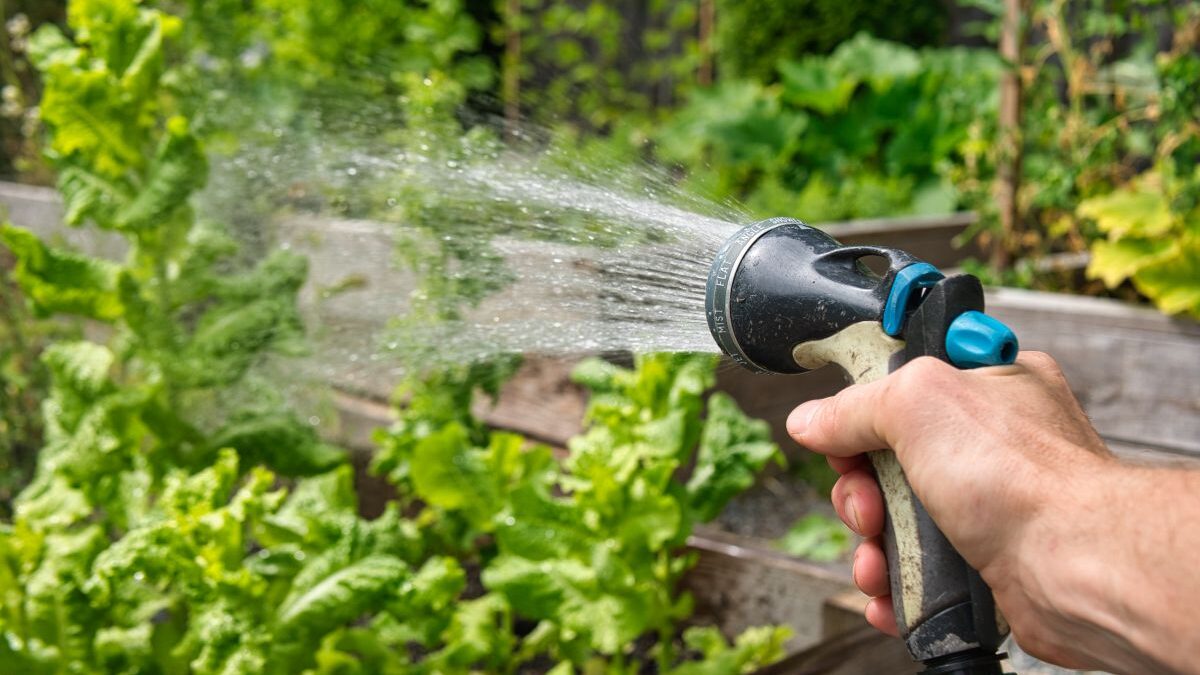
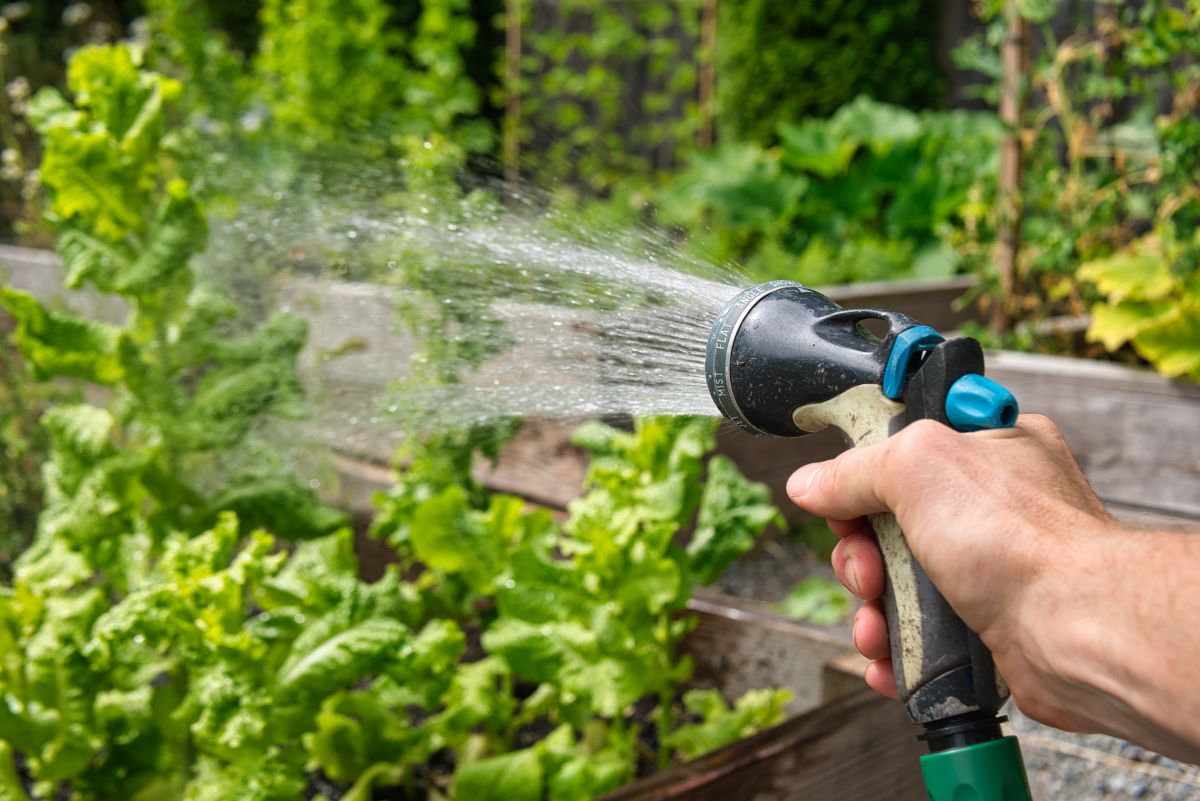
Pouring water over a garden with a standard garden hose or an oscillating sprinkler is incredibly inefficient. A significant percentage of that water evaporates into the air or runs off into the street before ever reaching a single root.
Drip Irrigation and Soaker Hoses
Transitioning to low-volume drip irrigation systems or porous soaker hoses delivers moisture directly to the base of your plants. This method minimizes evaporation losses, keeps the surrounding foliage dry to prevent fungal diseases, and reduces weed germination by leaving the space between target plants dry.
Automated Weather-Based Controllers
Ditch traditional mechanical timers in favor of smart, weather-based irrigation controllers. These modern systems connect to local weather forecasts and soil moisture sensors, automatically skipping scheduled watering cycles if a rainstorm is approaching or if the ground is already sufficiently damp.
Capturing Free Rainfall
Installing rain barrels or large cisterns beneath your roof downspouts allows you to harvest clean, chlorine-free water for your garden. Diverting roof runoff into a designated rain garden, a shallow depression planted with water-loving native species, allows stormwater to slowly filter back into the local aquifer rather than overloading municipal storm drains.
The Critical Role of Mulching
Mulch is the unsung hero of the sustainable garden. Applying a protective layer over exposed soil provides a multitude of practical benefits that reduce your weekly gardening workload.
Moisture Retention
A thick layer of mulch acts as a physical shield against the baking sun, reducing soil moisture evaporation by up to seventy percent. This keeps root zones cool and drastically cuts down on how frequently you need to turn on your irrigation system.
Weed Suppression
Weeds are aggressive water thieves that actively steal moisture and nutrients away from your prized ornamental plants. Mulch blocks sunlight from reaching hidden weed seeds, preventing them from germinating and establishing a foothold in your garden beds.
Temperature Insulation
Mulch functions exactly like insulation in a home. It keeps the soil cooler during blistering summer days and buffers fragile root systems against sudden frost snaps in late autumn, extending the growing season for your vegetation. Opt for organic options like shredded bark, wood chips, or pine needles, which slowly decompose to feed the soil over time.
Frequently Asked Questions
How long does it take for a water-efficient garden to become fully self-sustaining?
Generally, a sustainable garden requires one to two growing seasons to establish its root systems. During this initial phase, even drought-tolerant native plants require regular, deep watering to encourage their roots to grow deep into the soil profile. Once the roots are fully mature, the garden will transition to being highly self-sufficient.
Can I still have a green lawn in a sustainable garden design?
Yes, but the traditional, oversized emerald lawn should be re-evaluated. To remain sustainable, reduce the overall footprint of your lawn, keeping just enough grass for children or pets to enjoy. Replace standard, thirsty turf species with drought-hardy native grasses, clover mixes, or low-mow fescue varieties that require significantly less water and chemical intervention.
What is a rain garden, and how does it help save water?
A rain garden is a shallow, landscaped depression designed to collect and absorb rainwater runoff from roofs, driveways, or sidewalks. Filled with deeply rooted native plants that tolerate brief periods of standing water, a rain garden allows stormwater to naturally soak into the ground within a day, filtering out pollutants and recharging the local water table rather than wasting it down a street drain.
Is gravel a good alternative to organic mulch for water-efficient gardens?
Gravel and river stones are highly durable and work well in specific xeriscape designs, but they have major drawbacks. Unlike wood chips, rock absorbs and radiates intense heat from the sun, which raises the soil temperature and increases evaporation rates. Additionally, gravel does not break down, meaning it adds zero organic nutrients back into the soil over time.
How do I know if I am overwatering my drought-tolerant plants?
Drought-tolerant flora are highly sensitive to soggy conditions. Signs of overwatering look deceptively similar to underwatering, including yellowing leaves, dropping foliage, and a generally wilted appearance. The clear differentiator is the soil; if the plants look unhealthy but the soil several inches down feels constantly wet or muddy, you are overwatering and risk causing root rot.
How does reducing pesticide use contribute to water efficiency?
Avoiding chemical pesticides protects the vital soil food web, including earthworms and beneficial microbes that burrow through the earth. This biological activity naturally aerates the soil, creating a porous, spongy underground network that absorbs and retains water far better than chemically degraded, compacted dirt.
Can I design a water-efficient garden if my yard is entirely shaded?
Absolutely. Many native woodland plants, ferns, and wild gingers thrive in the shade and have incredibly low water requirements once established under a canopy of trees. Because shady areas receive less direct sunlight, soil evaporation rates are naturally much lower, making shade gardens inherently water-efficient from the start.
