
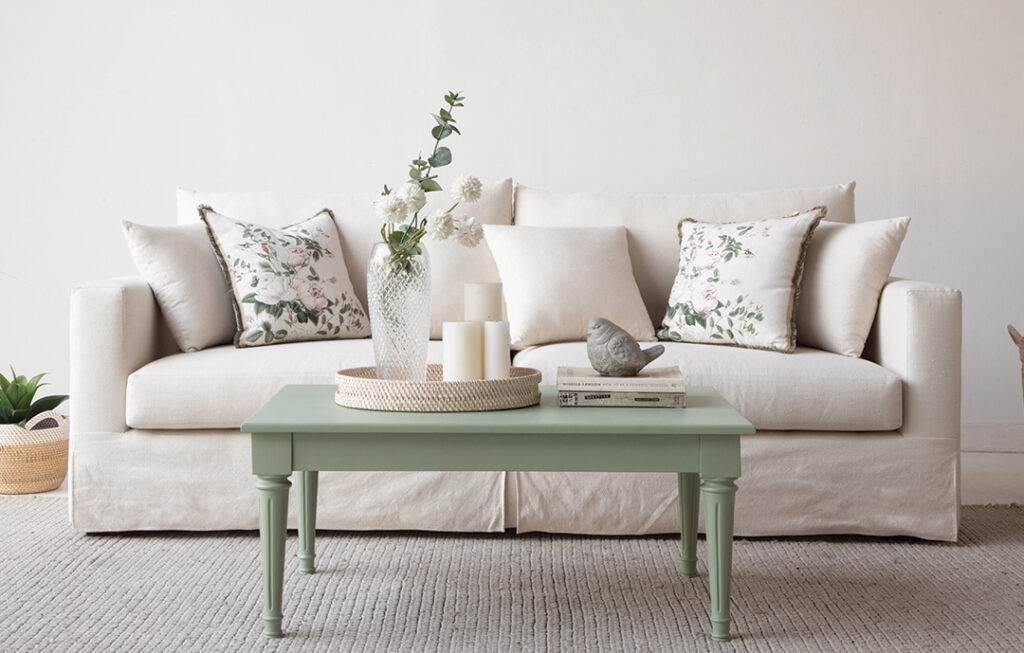

The modern home has become a battleground for our attention. Every surface competes for notice, cluttered with knick-knacks, impulse purchases, and shifting design trends. In response to this visual noise, minimalism offers a sanctuary. Far from being a cold, sterile design choice, true minimalism focuses on intentional living. It is the art of curating your surroundings so that the items you own serve a distinct purpose or bring genuine joy.
By stripping away the excess, you allow the architecture, the natural light, and the carefully selected furnishings of your home to breathe. Achieving more with less requires a shift in mindset from accumulation to curation. It transforms your living space from a source of stress into a canvas of calm.
The Core Philosophy of Minimalist Design
Minimalism is often misunderstood as an interior design style that requires living in an empty white box with a single, uncomfortable chair. In reality, the movement is rooted in the principle of functional elegance. Every object in a minimalist room must earn its place through utility, comfort, or exceptional beauty.
When you remove the distractions of clutter, you elevate the quality of what remains. A single, well-crafted wooden coffee table becomes a focal point rather than getting lost in a sea of patterned rugs, throw pillows, and side tables. Minimalism shifts the focus from quantity to quality, encouraging you to invest in pieces that endure both physically and aesthetically.
Cultivating a Minimalist Color Palette
The foundation of any minimalist space is its color scheme. A restrained palette creates visual continuity, making rooms feel larger and more cohesive.
Embracing Monochromatic and Neutral Tones
White, beige, gray, and greige form the bedrock of minimalist design. These shades maximize natural light by reflecting it across the room. A monochromatic backdrop creates a serene environment that allows the eye to rest.
Strategic Use of Contrast
To prevent a neutral space from feeling flat or sterile, introduce contrast through dark accents. Black, charcoal, or deep espresso can be used sparingly on light fixtures, window frames, or a single piece of furniture. This ground-level contrast adds structure and definition to an otherwise airy room.
Earthy and Warm Undertones
Modern minimalism has evolved away from stark, icy whites. Incorporating warm undertones, such as cream, soft taupe, and muted terracotta, infuses the home with a welcoming, organic energy. The goal is to mimic the soothing tones found in nature.
Furniture Selection: Prioritizing Form and Function
In a minimalist home, furniture is the primary driver of both style and utility. Because there are fewer pieces, each item must be selected with deliberate care.
Clean Lines and Low Profiles
Choose furniture with clean, geometric silhouettes. Avoid ornate carvings, tufted upholstery, and overly complex designs. Low-profile sofas and platform beds keep the sightlines of a room open, which enhances the perception of space.
Multi-Functional Adaptability
Every piece of furniture should work double duty whenever possible. Look for storage ottomans, bed frames with hidden drawers, or extendable dining tables. Multi-functional furniture reduces the need for additional storage units, keeping the floor plan open and uncluttered.
The Power of Negative Space
One of the most critical elements of minimalist furniture arrangement is negative space, the empty area around objects. Do not feel the need to fill every corner or push all your furniture against the walls. Leaving breathing room around a striking armchair or a dining set emphasizes their form and creates a sense of luxury.
Material and Texture: The Keys to Visual Warmth
When you limit your color palette and remove decorative clutter, texture becomes your primary tool for creating depth and interest. Without varied textures, a minimalist room can feel clinical.
Natural Woods and Stones
Incorporate raw, natural materials to bring the outdoors inside. A dining table made from reclaimed oak, a marble countertop, or a slate hearth provides organic patterns that no synthetic material can replicate. The natural grain of wood and the veining of stone act as built-in artwork.
Tactile Textiles
Layer different fabrics to add physical and visual warmth. Mix a linen sofa with a chunky wool throw, cotton drapery, and a woven jute rug. Keeping the fabrics within the same tonal family ensures the space remains cohesive while the varied textures keep it visually engaging.
Matte and Patina Finishes
Avoid overly shiny or polished surfaces, which can feel cold and industrial. Opt for matte black hardware, brushed brass, or oiled wood finishes. Materials that develop a natural patina over time, such as leather and unlacquered metals, add character and a sense of history to a minimalist home.
Lighting as a Spatial Element
Lighting is a fundamental architectural element in minimalist design. It shapes how we perceive space, color, and texture.
Maximizing Natural Light
Natural light is the ultimate minimalist accessory. Keep window treatments simple and unobtrusive. Sheer linen panels or recessed roller shades allow maximum sunlight to flood the space during the day, blurring the line between indoor and outdoor environments.
Hidden and Recessed Fixtures
To maintain clean ceilings and walls, rely on recessed architectural lighting or hidden LED strips. Soft illumination tucked under cabinetry, behind bathroom mirrors, or along architectural coves provides an ethereal glow without the visual clutter of bulky fixtures.
Statement Illumination
While hidden lighting handles the ambient glow, you can select one or two exceptional light fixtures to serve as functional art. A sculptural pendant light over a dining table or a sleek, linear floor lamp next to a reading chair can define a zone while maintaining a clean aesthetic.
Curating Decor and Art Without the Clutter
Living minimally does not mean living without art or personal expressions of style. It simply means choosing those items with rigorous intentionality.
The One In, One Out Rule
To maintain a minimalist home over time, adopt a strict curation policy. If you purchase a new vase, a new book, or a new piece of kitchenware, choose an existing item to donate, recycle, or sell. This prevents the slow creep of clutter.
Oversized, Singular Artwork
Instead of creating a gallery wall with dozens of small, mismatched frames, choose one large, impactful piece of art. A massive abstract canvas or a large-scale black-and-white photograph commands attention and anchors the entire room, creating an sophisticated gallery aesthetic.
Functional Decor
Let your everyday items serve as your decor. A beautifully designed ceramic kettle on the stove, a stack of art books on a coffee table, or a collection of uniform spice jars on an open shelf are both useful and visually pleasing. When your functional objects are beautiful, you do not need separate dust-gathering knick-knacks.
Room-by-Room Guide to Practical Minimalism
Implementing a minimalist design requires a systematic approach across different areas of the house.
The Minimalist Living Room
Keep surfaces like coffee tables and television consoles completely clear of daily clutter. Use closed cabinetry to hide remote controls, cables, and media devices. Invest in a high-quality, comfortable sofa that fits the scale of the room perfectly, and limit accent pillows to two or three.
The Serene Kitchen
The kitchen is notoriously prone to clutter. Achieve minimalism here by clearing the countertops completely. Store small appliances like blenders, toasters, and coffee makers inside a dedicated appliance garage or pantry. Choose integrated appliances that match your cabinetry for a seamless, continuous look.
The Restful Bedroom
Your bedroom should be a sanctuary for sleep. Remove televisions, desks, and exercise equipment from this space. Use a platform bed with built-in storage underneath, choose neutral bedding made of natural fibers, and keep nightstands clear of everything except a lamp and a book.
The Spa-Like Bathroom
Transform your bathroom by hiding all personal care products behind mirrored cabinets or vanities. Display only a set of plush, matching towels and a single high-quality soap dispenser. The absence of plastic bottles and clutter instantly replicates a luxury spa environment.
Frequently Asked Questions
How do I transition to minimalist decor if I live with family or roommates?
Transitioning requires open communication and compromise. Start by designating shared communal areas, like the living room entryway, as minimalist zones where clutter is not permitted. Allow individuals to maintain their own personal style within their private bedrooms. Implement smart, hidden storage solutions in common areas so everyone has a designated spot to tuck away their belongings out of sight.
Does minimalist decor require a large budget to look good?
No, minimalism can actually save you money because it focuses on buying less. Instead of purchasing numerous cheap decorative items, you save your budget for a few high-quality, durable essentials. You can achieve a minimalist look on a budget by decluttering thoroughly, repurposing items you already own, and sourcing secondhand furniture with clean, timeless lines.
How do you prevent a minimalist home from feeling cold or uninviting?
The secret to adding warmth lies in texture and organic materials. Incorporate natural wood elements, soft textiles like wool and linen, and potted green plants. Plants introduce life and movement into a space without adding clutter. Soft, warm lighting rather than harsh daylight bulbs also plays a massive role in making a minimalist space feel cozy.
What should I do with sentimental items that do not fit the minimalist aesthetic?
Minimalism is not about erasing your past or throwing away precious memories. Store sentimental items out of sight in designated, organized storage bins inside closets or the attic. Alternatively, you can digitize old photographs and letters, or select one or two truly special sentimental pieces to display prominently as a focal point, rather than scattering dozens of them across the home.
How often should I deep clean and declutter to maintain a minimalist home?
Minimalism requires ongoing maintenance. It is helpful to do a quick visual sweep of your surfaces every evening to reset the space. A deeper decluttering review should be conducted once every season, about four times a year. During this time, evaluate your belongings, check for items that have accumulated unnoticed, and ensure that everything still serves a distinct purpose.
Is minimalist decor practical for households with young children or pets?
Yes, it can be highly practical because fewer items mean fewer things to break, clean, or trip over. The key is incorporating clever, closed storage solutions like toy chests that match the decor, built-in cabinetry, and performance fabrics that resist stains and scratches. Keeping floors clear gives children and pets more room to move safely.
How do I handle empty walls without making them look unfinished?
An empty wall is a deliberate design choice in minimalism, not a mistake. It provides visual relief and allows the eye to appreciate the architecture of the room. If a wall feels truly barren, treat it with a textured wall finish like plaster or limewash, or hang a single, thoughtfully framed piece of large artwork that complements the color palette of the room.
