
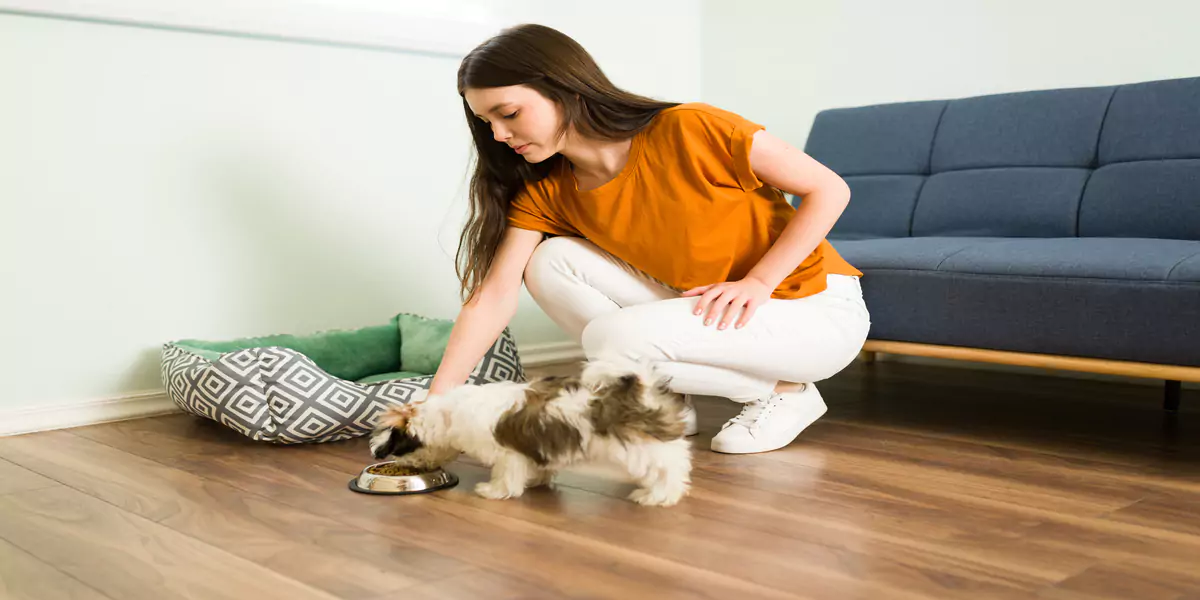

Sharing a home with dogs and cats brings immense joy, but it also introduces unique challenges for interior design and home maintenance. Among the most critical components of a pet-friendly household is the surface underfoot. Animal companions subject floors to non-stop wear and tear, ranging from sharp claws and muddy paws to unexpected accidents and heavy shedding.
Selecting the right material requires a deliberate balance between durability, traction, water resistance, and aesthetic appeal. The ideal floor should not only withstand daily animal activity but also provide a comfortable, non-slip surface for your pets while remaining straightforward for you to clean and maintain.
Key Considerations for Animal-Friendly Surfaces
Before diving into specific materials, it is helpful to look at the primary vulnerabilities that domestic animals introduce to home flooring. Evaluating these four factors will guide you toward making a practical choice for your specific household dynamics.
Scratch and Impact Resistance
Dogs and cats run, jump, and skid across floors. Large dog breeds can exert significant downward force through their nails, while cats may use certain textures to stretch or scratch. Materials with a low resistance to scratching will quickly show permanent track marks, dulling the visual appeal of your home.
Moisture and Stain Protection
Accidents happen, especially with senior pets, young puppies, or curious kittens. Beyond house-training mishaps, water bowls routinely overflow, and pets tracking in rain or mud from outdoors can leave standing pools of moisture. A floor must have excellent moisture resistance to prevent warping, swelling, and permanent odor retention.
Underfoot Traction
Smooth, slippery surfaces force animals to constantly tense their muscles to stay stable. Over time, a lack of traction can exacerbate joint issues, hip dysplasia, and arthritis, particularly in older dogs. A good pet floor offers enough surface texture to give paws a secure grip during movement.
Cleanability and Maintenance
Fur, dander, and outdoor debris collect rapidly on floors. The material you choose should allow for effortless vacuuming, sweeping, and damp mopping without requiring specialized, chemical-heavy cleaning treatments that could prove toxic to curious animals.
Top Pet-Friendly Flooring Materials
Several modern flooring options excel at managing the demands of multi-pet households. Each material presents specific structural benefits that satisfy both human design preferences and animal safety needs.
1. Luxury Vinyl Tile and Plank (LVT/LVP)
Luxury vinyl has rapidly emerged as a gold standard for pet owners. Engineered with multiple dense layers, it offers an optimal blend of resilience, affordability, and design versatility.
-
Waterproof Capabilities: Most high-quality luxury vinyl options are fully waterproof, making them immune to damage from spilled water dishes or potty accidents.
-
Wear Layer Toughness: LVP features a clear, urethane-based top wear layer that shields the design underneath from sharp claws. Opting for a wear layer of 20 mils or higher provides commercial-grade scratch resistance.
-
Realistic Appearance: Advanced printing and embossing techniques allow vinyl to convincingly mimic the texture, grain, and warmth of authentic hardwood or natural stone.
2. Porcelain and Ceramic Tile
For sheer durability and absolute stain protection, fired clay tile remains an unmatched option in high-traffic zones.
-
Impenetrable Barrier: Porcelain and ceramic are completely scratch-proof against animal nails. They do not absorb moisture, odors, or deeply pigmented liquids.
-
Grout Selection: The primary vulnerability of tile is the grout lines, which can absorb liquids if left unsealed. Utilizing non-porous epoxy grout solves this issue entirely.
-
Thermal Regulation: Tile provides a cool, soothing surface for heavy-coated dogs to rest on during hot summer months. However, because it is hard and chilly in winter, incorporating washable area rugs ensures year-round comfort.
3. Engineered Bamboo
While traditional hardwoods like pine or cherry scratch easily, certain types of bamboo offer incredible structural hardness that holds up surprisingly well to animal life.
-
Strand-Woven Variance: Standard horizontal or vertical bamboo can be prone to dents, but strand-woven bamboo is manufactured by braiding tough fibers together under immense pressure. This makes it twice as hard as traditional oak.
-
Eco-Friendly Alternative: Bamboo grows rapidly, making it a highly sustainable material choice for environmentally conscious homeowners.
-
Refinishing Potential: Unlike laminate or vinyl, thick high-quality engineered bamboo can often be lightly sanded and refinished if minor surface blemishes accumulate over a decade of use.
4. Cork Flooring
Cork is an unconventional but highly effective choice for homeowners seeking a quiet, comfortable, and sustainable surface.
-
Shock Absorption: Cork contains millions of microscopic air pockets, giving it a natural elasticity. This cushioning effect reduces the sound of clicking nails and provides a soft, forgiving surface for aging pet joints.
-
Microbial Resistance: Cork naturally contains suberin, a waxy substance that resists mold, mildew, rot, and allergen accumulation.
-
Sealing Requirements: Because cork is naturally porous, it must be coated with a high-quality polyurethane sealer to protect it against moisture infiltration.
Flooring Materials to Avoid
Some traditional flooring materials create chronic maintenance headaches or safety hazards when paired with active dogs and cats. Knowing what to avoid will prevent costly replacement projects down the road.
Solid Hardwood
Despite its timeless beauty, solid hardwood is highly vulnerable to pet damage. Softwoods dent immediately under the claws of large dogs. More importantly, wood is inherently porous; if animal urine seeps into the seams of hardwood planks, it breaks down the underlying finish, warps the wood, and creates deeply embedded odors that are nearly impossible to eliminate without replacing the subfloor.
Standard Carpet
Wall-to-wall carpeting acts like a massive sponge for pet related messes. It traps loose fur, dander, fleas, and outdoor dirt deep within its fibers. Liquid accidents quickly soak through the carpet backing into the padding below, creating a breeding ground for persistent bacteria and recurring odors. Furthermore, cats often view looped carpets, such as Berber styles, as ideal scratching posts, leading to unraveled strands and frayed edges.
Traditional Laminate
Older or low-grade laminate flooring is notorious for its slick, glossy factory finish. This smooth surface turns into a skating rink for dogs, leading to slips that can cause muscle strains or joint injuries. Additionally, while the top layer resists superficial scratches, standard laminate seams are highly sensitive to moisture; if water sits on a seam for even a short period, the particle-board core will swell and buckle permanently.
Proactive Tips for Extending Floor Longevity
Regardless of the flooring material installed in your home, implementing a few protective habits can significantly extend its lifespan and keep it looking pristine.
-
Regular Nail Trimming: Keeping canine and feline claws neatly clipped or filed minimizes the potential for deep gouges on any surface.
-
Strategic Mat Placement: Station heavy-duty, absorbent mats inside every exterior doorway to catch mud, water, and grit before your pets can track them across the main living spaces.
-
Utilize Washable Area Rugs: Place low-pile, machine-washable rugs or modular carpet tiles in high-velocity zones, such as the bottom of staircases or hallway turning points, to provide extra traction and impact absorption.
-
Invest in Food Station Mats: Place a silicone, rimmed mat underneath water and food bowls to contain spills and protect the surrounding floor from moisture exposure.
Frequently Asked Questions
Which flooring option is best for preventing pet hair from accumulating?
Smooth hard surfaces like luxury vinyl, tile, and bamboo are ideal for managing shedding. Unlike carpet, which weaves hair into its fibers, hard floors allow loose fur to gather on top of the surface where it can be quickly gathered using a microfiber dust mop, a rubber broom, or a vacuum specifically rated for pet hair.
How do I remove stubborn pet urine odors from grout lines?
If urine reaches sealed or unsealed tile grout, standard household cleaners will not completely break down the uric acid crystals. You must use an enzymatic cleaner specifically formulated for pet messes. Apply the enzyme cleaner directly to the grout, let it sit for the recommended duration to consume the organic matter, and then rinse thoroughly.
Is high gloss or matte finish better for hiding pet scratches?
A matte, low-sheen, or distressed finish is far superior for concealing pet wear and tear. High-gloss finishes act like a mirror, reflecting light in a way that highlights every microscopic scratch, scuff mark, and dust particle on the floor.
Can cats damage luxury vinyl planks with their claws?
High-quality luxury vinyl planks with a heavy commercial wear layer are virtually immune to cat claws. Unlike wood or carpet, vinyl does not offer a satisfying texture for cats to sink their claws into, which naturally discourages them from trying to scratch the floor.
How long can a liquid accident sit on waterproof vinyl before causing damage?
While the vinyl plank itself is entirely waterproof and will not swell, liquid can eventually seep down between the seams if left standing for hours or days. This standing water can damage the wood subfloor beneath or encourage mold growth underneath the planks. It is best to wipe up accidents within a few hours of occurrence.
Are there specific types of area rug backings that are unsafe for hard floors?
Rugs with cheap rubber or latex backings can chemically react with luxury vinyl and engineered finishes, causing permanent yellow discoloration over time. Instead, select area rugs with a natural jute backing or utilize a separate, high-quality non-slip pad made of solid felt or natural rubber that is explicitly rated safe for your specific floor type.
