
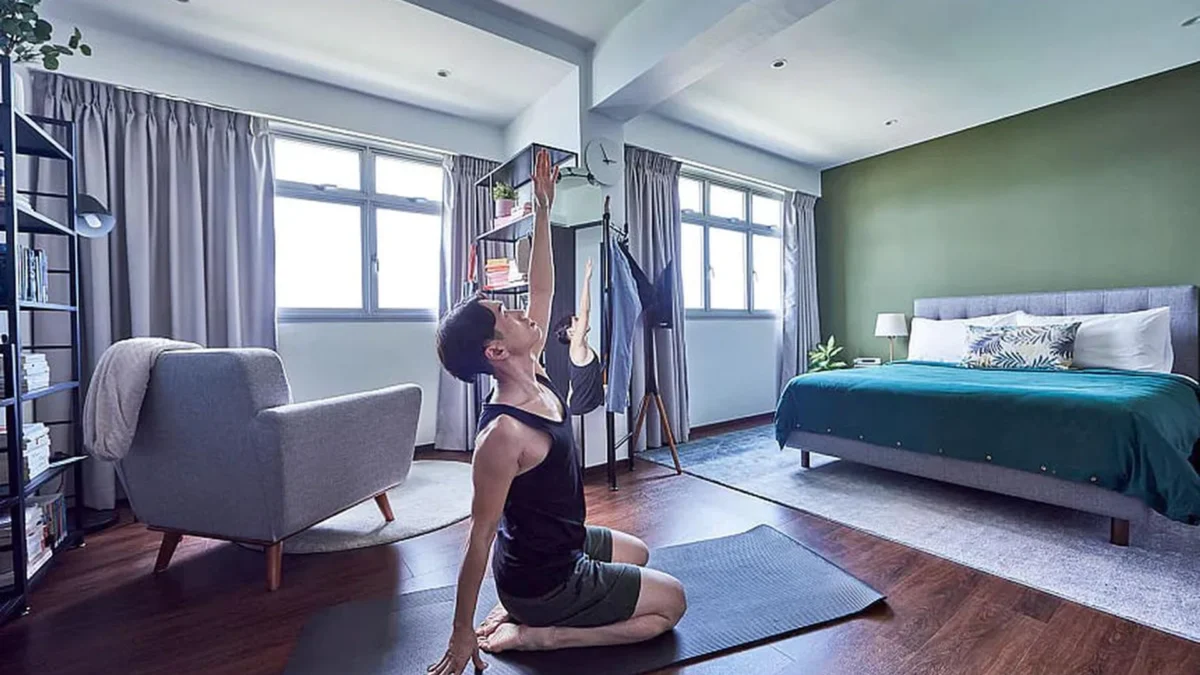

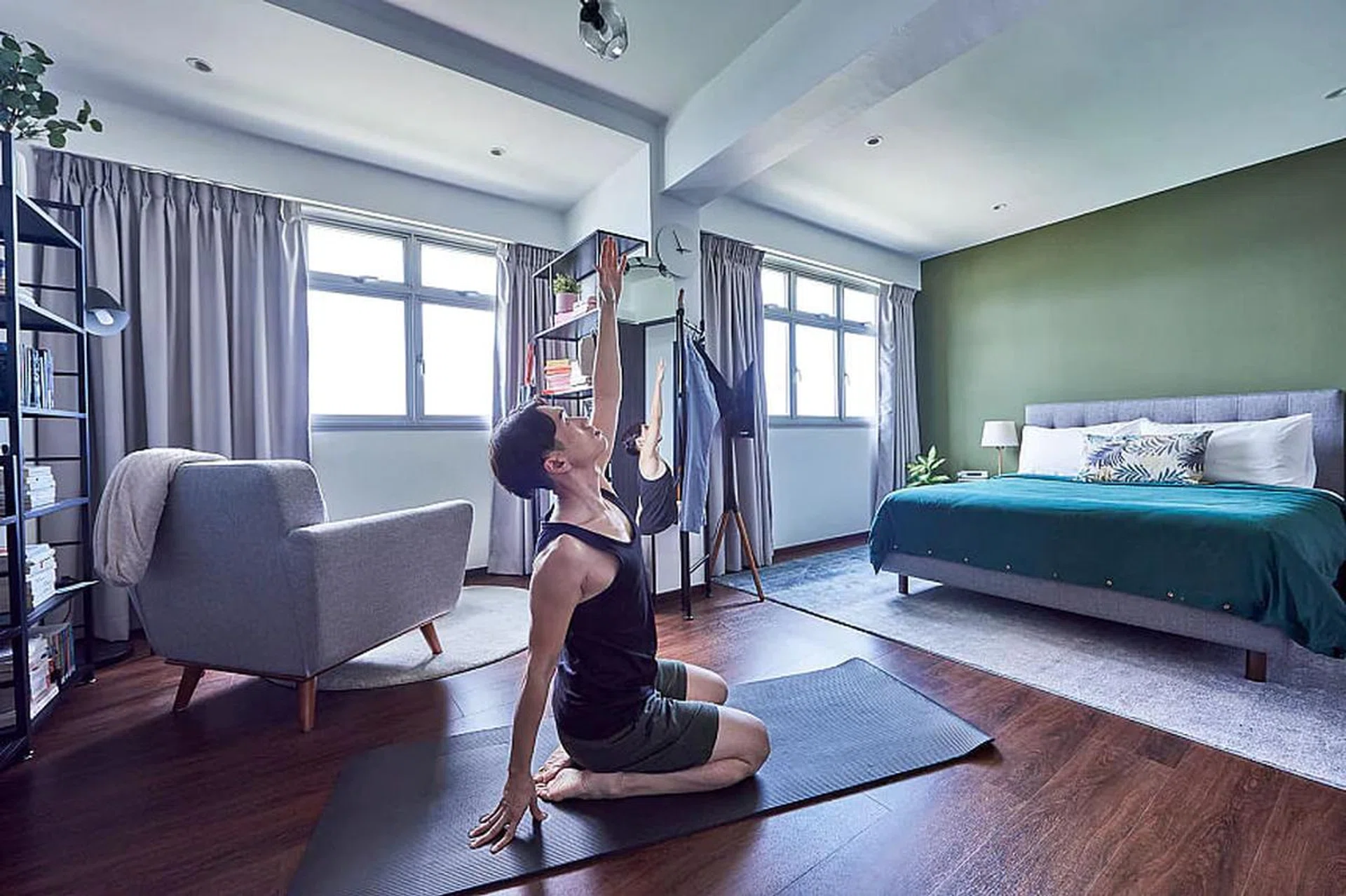
Space constraints are an everyday reality for many people living in Singapore. Whether you stay in a compact condo unit, a three room HDB flat or a shared family home, the challenge is always the same. You want an effective workout routine, but available space is limited. Many residents worry that without a big gym area or bulky equipment, their results will be compromised. In reality, the limitation is not the size of the space. It is the strategy behind training. With personalised guidance from a knowledgeable fitness trainer singapore, even the smallest living room can become a highly effective training environment.
Small space training is not about squeezing random exercises into a tight area. It is about intelligent movement selection, modular equipment, smart programming and lifestyle integration. A trainer who understands Singapore’s housing layout can create structured workouts that build strength, improve mobility and support long term health without requiring a dedicated home gym.
Why Home Training Matters For Singapore Residents
Singaporeans lead fast paced lives. Long work hours, peak hour travel, family commitments and constant digital load make it difficult for many people to travel to a gym consistently. Home training becomes essential for:
-
Busy professionals
-
Parents managing young children
-
Older adults who prefer accessible routines
-
Individuals working from home
-
Residents who want privacy
-
People who want to maintain results between gym sessions
With the right programming, home workouts can be just as effective as gym sessions because the key to progress is consistency, not equipment quantity.
Understanding Space Constraints In HDBs And Condos
Small homes present a set of challenges trainers must navigate. These include:
-
Shared living spaces
-
Limited floor area
-
Noise sensitivity due to close neighbours
-
Flooring that cannot handle high impact movement
-
Storage limitations for exercise equipment
-
Multi generational households with different schedules
A knowledgeable trainer designs movement patterns that create maximum benefit within minimal space.
The Core Principle Of Small Space Training: Movement Efficiency
Movement efficiency means selecting exercises that offer multiple benefits at once. Instead of long lists of isolated movements, trainers focus on high value exercises that improve strength, mobility and stability in compact areas.
Examples include:
-
Slow tempo squats
-
Single leg hinge variations
-
Plank and anti rotation core work
-
Lateral stepping patterns
-
Controlled push up progressions
-
Resistance band pulls for posture
These movements need only a few square feet of space but deliver substantial results.
Choosing Equipment That Fits Small Homes
Trainers recommend compact, multi purpose tools that can be stored easily.
Common items include:
-
Resistance bands
-
Adjustable dumbbells
-
A foldable mat
-
A small kettlebell
-
Sliders for core and lower body work
-
A door anchor strap for rows and pulls
These take up minimal space yet allow hundreds of exercise variations.
Structuring Workouts For Tight Spaces
Programming is the difference between random exercises and effective training. Trainers follow a structure that fits compact spaces while still creating balanced routines.
Strength Section
Focus on controlled tempo movements using light to moderate resistance.
Example: squat variations, hip hinges, push movements, pull movements and core holds.
Mobility Section
Designed to offset long hours of sitting.
Example: hip openers, thoracic rotation, shoulder mobility sequences and ankle activation.
Conditioning Section
Low impact conditioning that avoids noise issues.
Examples include:
-
Shadow boxing
-
Step and reach combinations
-
Slow high knee marches
-
Low impact ladder patterns without jumping
Recovery Section
Gentle movements that reduce stiffness and support day to day comfort.
Each section fits easily into a small living room or bedroom.
Avoiding Noise In Small Homes
Noise is a major concern for people in HDB and condo units. Trainers use alternatives that protect floors and reduce impact.
Instead of jumping jacks, trainers introduce:
-
Side taps
-
Fast marches
-
Step switches
-
Controlled lateral hops with soft landing
Instead of skipping rope, trainers use:
-
Low bounce footwork drills
-
Rhythm based conditioning patterns
Noise sensitive routines enable clients to train early in the morning or late at night without disturbing neighbours.
Training Around Family Members Or Housemates
Shared spaces mean workouts must fit into daily household routines.
Trainers design strategies such as:
-
Short sessions that fit into small time pockets
-
Two part routines where clients split training across the day
-
Silent evening routines
-
Movements that require minimal floor space when children or elders are around
-
Quick setups and fast tear down sessions
This reduces friction and increases long term consistency.
Home Training For Different Client Profiles
Here are common Singapore client types and how trainers adapt programmes for them.
The Working Professional
Often fatigued after long workdays. Trainers create short, efficient full body routines that energise instead of exhaust.
The Stay At Home Parent
Needs flexible timing and quick routines. Trainers focus on core stability, mobility and strength that supports day to day caregiving.
The Older Adult
Prefers safe, controlled movements. Trainers emphasise balance, joint support, low impact strength work and posture training.
The Fitness Enthusiast Who Also Goes To A Gym
Uses home workouts to fill gaps between gym days. Trainers design accessory work that complements their main programme.
The Housemate Sharing Your Space
Needs routines that do not take up the entire living room. Trainers create micro sessions that last 10 to 20 minutes but still produce progress.
Each programme is designed to maximise results without disrupting household flow.
Designing Micro Workouts For Ultra Small Homes
Micro workouts are short sessions performed at different times of the day. They help people who lack long training windows or adequate space.
Examples include:
-
Five minute morning mobility
-
Ten minute lunchtime strength
-
Eight minute evening core
-
Shortened circuits on busy days
Micro workouts accumulate meaningful training volume across the week.
Creating A Home Training Environment
Even small homes can feel like training spaces with simple adjustments.
Trainers recommend:
-
Allocating a small corner for the mat
-
Using natural light to improve mood
-
Keeping a storage basket for equipment
-
Playing motivating music through earbuds
-
Setting a specific time each day to avoid schedule drift
These habits bring structure and consistency.
The Role Of Recovery In Small Space Programmes
Good recovery routines are essential for people who train at home because they often sit for long hours before and after sessions.
Recovery includes:
-
Gentle stretching
-
Simple breathing routines
-
Light foam rolling
-
Desk mobility for WFH professionals
-
Sleep supportive evening practices
When recovery improves, home training becomes more comfortable and sustainable.
Real World Examples From Singapore Homes
To show how adaptable small space training can be, here are realistic client scenarios.
Scenario A: A Three Room HDB Flat
A young couple shares space with a toddler. The trainer designs silent evening routines and short morning strength sessions using resistance bands and adjustable dumbbells.
Scenario B: A Compact Condo Unit
A working professional lacks floor space. The trainer uses unilateral movements and vertical exercises that require minimal horizontal room.
Scenario C: A Multi Generational Household
Training must be quiet and respectful. The trainer creates low impact routines focused on mobility and controlled strength, with no jumping.
Scenario D: A Client With Shift Work
Sessions must be quick. The trainer uses micro workout blocks performed across the day.
Scenario E: A Client Recovering From Injury
The trainer uses slow tempo movements and stability work that do not require large movements or heavy impact.
These examples prove that home size does not limit training potential.
Clients who want a structured and professional home training experience often choose facilities like True Fitness Singapore to combine studio sessions with home based routines that support progressive results.
FAQ
Can home workouts really replace gym sessions
Yes, when properly programmed. Strength progress may be slower without heavy equipment, but consistency and form based training can still deliver impressive results.
What equipment do I need in a small home
Most people need only resistance bands, a mat and a pair of adjustable dumbbells. Trainers customise equipment recommendations based on your space.
How do I train without disturbing neighbours
Low impact movements, soft step transitions and controlled strength work allow you to train quietly at any hour.
Are small space routines suitable for beginners
Yes. Trainers design routines that match your fitness level, starting with safe foundational movements.
What if my schedule is too packed
Trainers integrate micro workouts and short targeted sessions that fit into tight days without sacrificing quality.
