
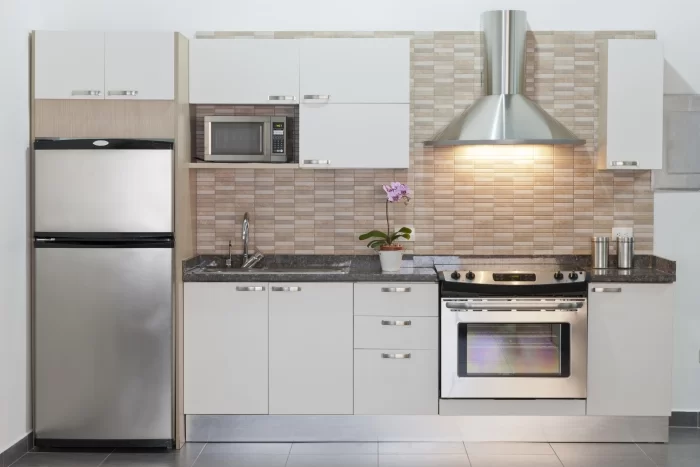

The kitchen is often considered the heart of the home, but when that heart is constrained by a tiny footprint, daily meal preparation can quickly become an exercise in frustration. Limited counter space is a classic problem in apartments, historic homes, and cozy urban dwellings. When every square inch of flat surface must serve multiple roles, a single unwashed cutting board or a stray appliance can bring your culinary momentum to a grinding halt.
Overcoming a cramped kitchen configuration requires a shift from passive storage to active spatial management. By rethinking how you utilize vertical areas, choosing multi-functional gear, and establishing strict organizational habits, you can reclaim your workspaces. Maximizing a small kitchen is not about shrinking your culinary ambitions; it is about engineering a highly efficient workspace where everything has a logical place.
Expanding Horizons by Reclaiming the Sink and Stove
Two of the largest permanent fixtures in any kitchen are the sink basin and the cooktop. When they are not actively being used for washing or cooking, these surfaces represent valuable real estate that often goes to waste.
Over-the-Sink Cutting Boards
One of the fastest ways to generate an extra two square feet of workspace is by investing in an oversized, heavy-duty wooden or composite cutting board designed to slide directly over your sink basin. This placement allows you to chop vegetables or prep meats while keeping the adjacent counters entirely clear. It also streamlines cleanup, as food scraps can be wiped directly into the basin or garbage disposal below.
Burner Covers and Noodle Boards
For gas or electric coil stoves, a large wooden cover, traditionally known as a noodle board, can be placed over cold burners to create a temporary, flat staging area. This makeshift counter can hold mixing bowls, ingredient trays, or cookbooks while you assemble cold dishes. Just ensure the range is completely turned off and cool before positioning the board.
Maximizing Vertical and Under-Cabinet Surfaces
When horizontal space disappears, look upward. The empty walls, backsplashes, and the undersides of your upper cabinetry are prime zones for relocating items that currently clutter your countertops.
-
Magnetic Knife Strips: Bulky wooden knife blocks are notorious counter hogs, occupying a significant amount of surface area just to hold a few blades. Mounting a powerful magnetic strip to your backsplash safely stores your cutlery flush against the wall, keeping your favorite knives within arm’s reach while freeing up counter space.
-
Under-Cabinet Hanging Racks: The structural void directly beneath your upper cabinets is perfect for hanging storage. Install simple hooks or rails to hold coffee mugs, measuring cups, banana hangers, or rolls of paper towels.
-
Floating Wall Shelves: If you have open wall segments, mount sturdy floating shelves to hold frequently used items like olive oil bottles, salt cellars, or daily dinnerware. Keeping these items off the counter prevents visual clutter and streamlines the daily cooking process.
Strategic Appliance Management: The Less is More Approach
Small kitchen counters are frequently buried under a small army of single-purpose small appliances, such as toasters, blenders, air fryers, and espresso machines. Managing these electronic devices is critical to saving space.
The Strict Appliance Hierarchy
To clear your surfaces, audit your small appliances and categorize them into two groups based on usage frequency. Only devices used daily, such as a primary coffee maker, deserve a permanent spot on the counter. Everything else, including blenders, food processors, and slow cookers, should be tucked away into lower cabinets, deep drawers, or nearby pantry shelving until they are needed.
Choosing Multi-Functional Gear
When purchasing new small appliances, opt for units that combine multiple capabilities into a single footprint. For instance, instead of owning a separate toaster, air fryer, and dehydrator, choose a high-quality convection toaster oven that handles all three tasks. Swapping out multiple distinct devices for a single multi-cooker drastically reduces storage demands.
Rolling Carts and Mobile Workspace Extensions
If your built-in counters cannot handle the workload, look into adding modular, temporary elements that can be integrated when needed and hidden away when dinner is served.
Utility Carts on Wheels
A slim, tiered rolling cart can act as a mobile kitchen island. The top surface can serve as an extra preparation station, while the lower shelves hold mixing bowls, baking sheets, or bulky dry goods. When you are done cooking, simply wheel the cart into a nearby closet, pantry, or corner of the dining room to keep the main kitchen paths clear.
Drop-Leaf Wall Tables
If you have an empty wall that is too tight for a permanent table or island, install a wall-mounted drop-leaf table. This hinged surface can be flipped up to provide an extra prep station or an intimate spot for morning coffee, and then folded completely flat against the wall when you need to navigate the kitchen floor safely.
Inside-Cabinet Optimizations that Protect the Counter
Often, counters become cluttered simply because the surrounding cabinets are poorly organized, forcing items to spill out onto the surfaces. Optimizing the interior architecture of your cupboards creates a domino effect that clears your workspace.
Tiered Shelf Risers
Standard kitchen cabinets usually have a lot of wasted vertical space between shelves. Placing wire or plastic tiered shelf risers inside your cupboards allows you to stack plates, bowls, and mugs efficiently without creating unstable towers of dishes, doubling your usable storage capacity instantly.
In-Cabinet Door Organizers
The interior side of your cabinet doors is an excellent place to add slim storage solutions. Adhesive hooks or narrow wire baskets mounted to the inside of the door can hold pot lids, cutting boards, measuring spoons, or boxes of aluminum foil, keeping these awkward items out of your drawers and off your countertops.
Frequently Asked Questions
How do I maintain a minimalist kitchen look if I cook complex meals daily?
The secret lies in the clean-as-you-go method. Instead of letting dirty bowls and tools pile up on the counter while you work, wash items or place them straight into the dishwasher immediately after use. Additionally, dedicate fifteen minutes every weekend to resetting your kitchen, ensuring that items that migrated onto the counters during busy weekdays are returned to their designated storage spots.
What are the best types of containers for small pantry and counter storage?
Opt for square or rectangular airtight containers rather than round ones. Round canisters leave empty, unusable gaps when placed side by side, whereas square containers sit flush against each other and into corners, maximizing every millimeter of shelf or counter space. Choosing stackable, transparent glass or plastic containers also allows you to see inventory levels instantly.
Is it a good idea to completely remove upper cabinets to make a small kitchen feel bigger?
While removing upper cabinets and replacing them with open shelving makes a small room feel airier and more visually expansive, it significantly reduces your enclosed storage space. If you choose this path, you must be prepared to curate your kitchenware rigorously, as all your plates and mugs will be on display and subject to airborne kitchen grease and dust.
How can I make my stovetop counter extension look attractive when not in use?
Choose a high-quality, beautifully grained hardwood noodle board that matches or complements your kitchen cabinetry. When you are not cooking, you can use this covered surface as a stylized tray to hold a single decorative bowl of fresh fruit or a neat stack of linen dish towels, turning a functional element into an intentional design feature.
Where should I store bulky trash and recycling cans in a tiny kitchen?
Avoid letting large trash cans take up precious floor and wall space. Instead, utilize a pull-out trash can kit installed inside the base cabinet directly beneath your kitchen sink. If that space is occupied by plumbing, consider a slim, wall-mounted trash receptacle or a dual-compartment bin positioned at the end of a counter run to keep walking paths clear.
How can I maximize corner spaces on a kitchen counter?
Deep corners are notoriously difficult to utilize effectively and often become dead space. You can rescue these zones by installing a large lazy Susan turntable. This revolving tray allows you to store oils, vinegars, and spice jars in the corner while ensuring you can access items at the back with a simple spin, preventing clutter from burying things out of sight.
Are open magnetic bars safe for households with young children or pets?
Yes, provided they are installed correctly. Mount the magnetic bar high up on the wall or backsplash, well out of reach of curious children standing on the floor or climbing on stools. Ensure you purchase a commercial-grade bar with a high weight capacity so that heavy knives stay locked firmly in place and cannot be accidentally jarred loose.
