
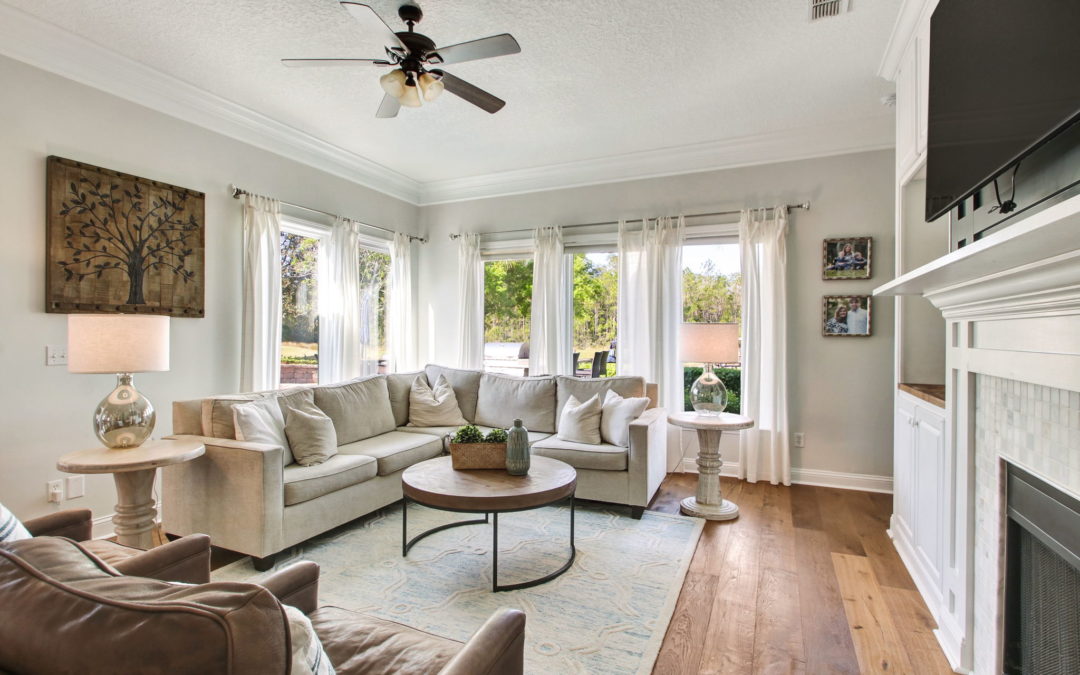

Open-concept interior design has fundamentally transformed the way we interact with our living spaces. By removing traditional interior walls that historically separated the kitchen, dining room, and living area, this architectural layout fosters a sense of expansive freedom, maximizes natural light, and promotes effortless social interaction. However, transitioning to a borderless floor plan requires a sophisticated understanding of spatial dynamics. Without the physical boundaries of walls, large rooms can easily feel cavernous, disorganized, or devoid of intimacy. Mastering the open-concept layout involves a strategic blend of structural awareness, deliberate furniture placement, and cohesive aesthetic choices that define distinct functional zones while maintaining a harmonious flow throughout the entire home.
Define Functional Zones with Strategic Furniture Placement
The greatest challenge of an open floor plan is preventing the space from looking like a chaotic warehouse. To counteract this, you must treat individual functional areas as self-contained rooms without using actual walls.
Furniture acts as the primary tool for carving out these invisible boundaries. Instead of pushing your sofas and armchairs against the perimeter walls, pull them out into the center of the room. Floating your furniture creates natural pathways and instantly anchors a specific zone. For example, placing a large sectional sofa with its back facing the dining area creates a clear physical and visual barrier that defines the perimeter of the living room.
Case goods and storage units can also serve as structural dividers. A low-profile credenza, a dual-sided bookshelf, or a long console table placed behind a sofa offers valuable storage while acting as a subtle partition between the relaxation zone and the culinary zone. The key is to keep these dividing pieces relatively low to preserve the uninterrupted sightlines that make open-concept living so desirable.
Establish Visual Continuity with a Unified Color Palette
In a traditional home, you can paint the kitchen blue, the dining room green, and the living room beige without causing design friction. In an open-concept layout, that approach creates an aggressive visual clash that disrupts the eye. Achieving a successful flow requires a highly disciplined approach to color.
Select a single, neutral paint color to serve as the baseline canvas for all the main walls across the entire open space. Soft whites, warm grays, light tanners, or gentle greiges work beautifully because they reflect natural light and provide a cohesive backdrop. This background unity allows the eye to travel smoothly across the entire expanse without jarring interruptions.
To prevent the space from feeling sterile, introduce personality through a tightly curated accent palette of two or three complementary tones. Carry these accent colors throughout each distinct zone using different textures and accessories. For instance, if you choose navy blue and brushed brass as your accent elements, you can manifest them through the kitchen island cabinetry, the upholstery of the dining chairs, and the throw pillows and artwork in the living room. This rhythmic repetition of color binds the separate areas into a singular, intentional design narrative.
Master the Art of Scale and Spatial Proportion
When decorating a vast, wall-free environment, standard-sized furniture can quickly look dwarfed and insignificant. Scale is your secret weapon for ensuring the room feels grounded and comfortable rather than empty and cold.
Prioritize larger, statement-making furniture pieces that match the volume of the room. An oversized sectional, a generous eight-seat dining table, or a substantial kitchen island with a thick stone countertop will feel structurally appropriate in an open layout. If your ceiling height is significant, incorporate tall elements like floor-to-ceiling drapery panels, tall potted trees, or high bookshelves to draw the eye upward and fill the vertical void.
Equally important is the concept of negative space. Leave wide, unobstructed pathways between your functional zones to facilitate natural foot traffic. A good rule of thumb is to maintain at least three feet of walking space along major thoroughfares so family members can navigate the home concurrently without colliding with furniture corners.
Use Rugs and Lighting as Invisible Anchors
Area rugs and light fixtures act as powerful psychological markers that instinctively tell the human brain where one room ends and another begins.
Rugs are arguably the most effective tools for spatial zoning. Placing a large area rug beneath your living room seating group instantly binds those individual pieces into a cohesive conversation area. Similarly, a rug positioned under the dining table frames the eating zone. Ensure that your rugs are large enough; in the living room, at least the front legs of all major seating pieces should rest comfortably on the rug, and in the dining room, the rug should extend far enough that chairs remain on the fabric even when pulled out from the table.
Lighting design should follow a similar zoning methodology. Instead of relying on a grid of uniform recessed ceiling lights, introduce layered, site-specific fixtures that define individual spaces:
-
The Kitchen Zone: Install a series of matching pendant lights directly over the kitchen island to establish a strong focal point and provide functional task lighting for food preparation.
-
The Dining Zone: Hang a dramatic chandelier or a linear multi-bulb fixture directly over the center of the dining table to create an intimate, enclosed atmosphere during meals.
-
The Living Zone: Utilize a mix of floor lamps, table lamps, and accent lighting to cast a soft, warm glow that encourages relaxation during the evening hours.
Address Acoustic Challenges and Sound Dampening
One of the most frequently overlooked drawbacks of open-concept living is noise control. Without walls and doors to block sound waves, everyday household noises, such as the clatter of kitchen pots, the hum of a dishwasher, and the audio from a television, can bounce off hard surfaces and create a loud, echoing environment.
Managing acoustics in an open floor plan requires the intentional introduction of soft, sound-absorbing materials throughout the space. Swap out hard wooden or metal dining chairs for options featuring plush fabric upholstery. Opt for deep, comfortable fabric sofas rather than slick leather alternatives, which reflect sound rather than absorb it.
Windows offer another excellent opportunity for acoustic remediation. Installing heavy, lined fabric draperies instead of minimalist plastic blinds can drastically reduce the bounce of sound waves within a room. Additionally, hanging large canvas artwork, fabric tapestries, or textured wall hangings can prevent sound from ricocheting off expansive drywall surfaces, making your home feel noticeably quieter and more serene.
Frequently Asked Questions
How can I keep kitchen odors and smoke from taking over the entire living area?
Managing kitchen odors requires investing in a high-quality, professional-grade range hood with a powerful CFM rating. Ensure the ventilation system vents directly to the exterior of the house rather than simply recirculating the air through a charcoal filter. Additionally, keeping windows near the cooking area cracked during food preparation helps maintain a steady cross-breeze to clear out smells quickly.
What is the best flooring choice to maintain a seamless look throughout an open floor plan?
Engineered hardwood, luxury vinyl plank, or large-format porcelain tile are excellent choices for creating a continuous floor surface. These materials provide the durability and moisture resistance required for kitchen environments while delivering the warmth and aesthetic appeal desired in living and dining rooms, eliminating the need for awkward transition strips.
How do I handle storage in a home that lacks interior walls for closets?
When architectural closets are missing, you must rely heavily on multifunctional furniture with integrated storage. Look for storage ottomans, media consoles with deep cabinetry, benches with hidden compartments under the seat, and kitchen islands featuring cabinetry on both the workspace side and the outward-facing bar stool side.
Is an open-concept layout suitable for a family with young children who need quiet study spaces?
While open layouts are wonderful for supervising young children, they can become challenging as kids grow and need quiet areas for homework. You can adapt the space by introducing flexible architectural solutions like sliding barn doors, pocket doors, or heavy acoustic curtains that allow you to temporarily close off a corner of the room when privacy or silence is required.
How do I choose artwork for an open-concept home without it looking cluttered?
Instead of hanging numerous small picture frames across your expansive walls, choose fewer, much larger statement pieces of art. Select one or two primary walls to showcase large-scale canvases that reflect your accent color scheme. Keeping small frames confined to a single, dedicated gallery wall prevents the overall space from looking visually chaotic.
What is a broken-plan layout, and how does it differ from pure open-concept design?
A broken-plan layout is a modern evolution of the open-concept design. It retains the spacious feel and clear sightlines of an open floor plan but introduces subtle, structural interventions such as partial glass partition walls, open-backed shelving units, step-down floor levels, or half-walls to offer a greater sense of privacy and defined boundaries without fully closing off the rooms.
