
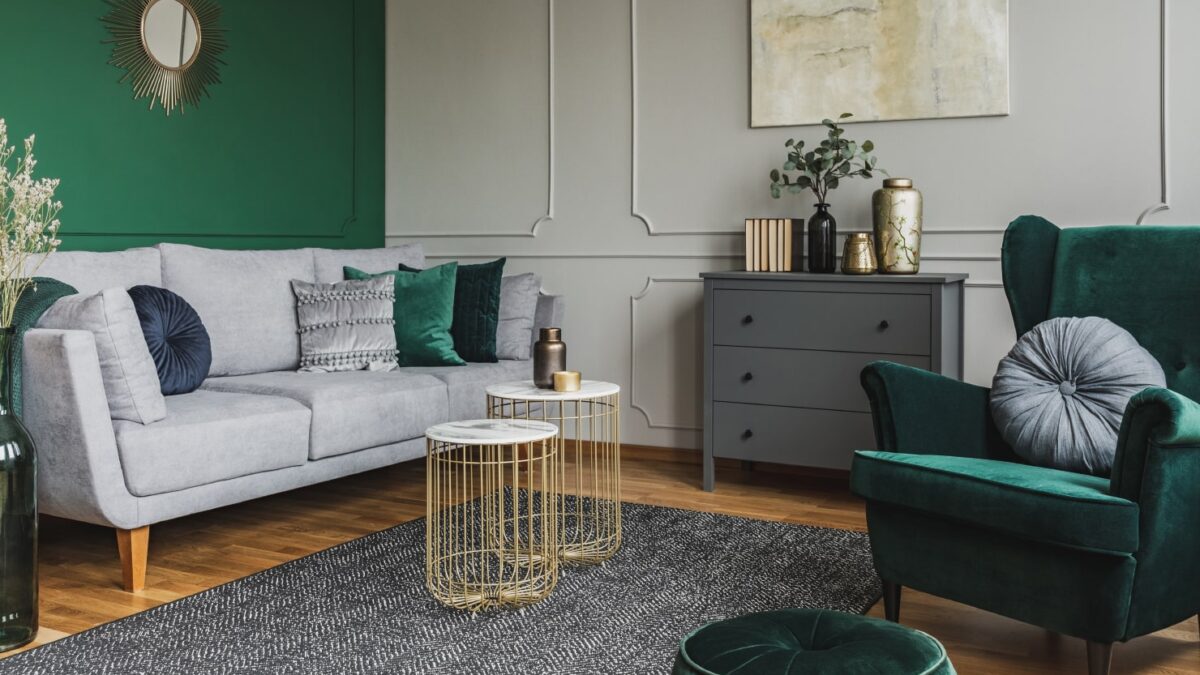

Home decor is not merely about filling a space with furniture or choosing a set of colors that complement each other. It’s an expression of personality, a reflection of taste, and an invitation for comfort and style. A well-decorated home offers more than visual appeal—it evokes emotions, creates a sense of harmony, and even promotes well-being. Whether you’re looking to refresh a single room or give your entire home a makeover, the following decor tips will help you curate a space that feels personal, inviting, and sophisticated.
1. Start with a Clear Vision
Before embarking on any decorating project, it’s essential to establish a clear vision. Think about the mood you want to create and the function of the space. Are you designing a cozy living room for relaxation and socializing? A bright, productive home office? Or a serene bedroom for rest? Understanding the purpose of the space will inform your color choices, furniture selections, and layout.
Begin by gathering inspiration. Whether you turn to Pinterest, design magazines, or even the interiors of friends’ homes, collect images that speak to you. This mood board will serve as a reference point throughout the process, helping you to stay focused and cohesive as you bring your vision to life.
2. Embrace the Power of Color
Color is one of the most powerful tools in interior design, affecting both the aesthetics and the atmosphere of a room. The right color palette can make a space feel calm, vibrant, warm, or cool—each hue has its own emotional impact. When selecting colors, consider the mood you want to evoke and the size of the room.
For smaller spaces, light and neutral colors can create the illusion of more space. Soft whites, beiges, and light grays reflect light and give a sense of airiness. If you’re working with larger rooms, don’t shy away from bold or darker shades, which can add depth, intimacy, and drama. For those looking to add a splash of energy, accents of bright colors—such as rich teal, mustard yellow, or emerald green—can inject personality without overwhelming the room.
3. Focus on Furniture That Balances Function and Style
Furniture is one of the most significant investments in any home, and its role extends beyond mere utility. In fact, the right pieces can become the focal points of a room. Whether you opt for sleek, modern designs or classic, timeless pieces, ensure that the furniture suits the scale and proportions of your space. Oversized furniture can make a room feel cramped, while too-small pieces can seem out of place.
When arranging furniture, prioritize comfort and flow. Avoid overcrowding a room; instead, arrange your furniture in a way that facilitates conversation and movement. Consider the placement of seating areas, ensuring that they face each other and create a natural flow. Don’t forget to think about how furniture will interact with natural light, as a well-positioned chair or sofa can highlight the beauty of a well-lit corner.
4. Layer with Textiles for Comfort and Warmth
Textiles—rugs, curtains, cushions, throws—are essential for adding texture and comfort to any space. A plush rug can anchor a seating area, while soft cushions add both color and comfort to sofas and chairs. When choosing textiles, consider layering different textures to create depth and interest. Velvet, linen, cotton, and wool each offer distinct tactile qualities, adding richness to the environment.
Curtains or blinds are not just for privacy—they also contribute to the room’s ambiance. Choose fabrics that complement your overall color scheme and allow you to control natural light. Sheer curtains can create a soft, airy feel, while heavier drapes provide warmth and formality.
5. Invest in Statement Lighting
Lighting is one of the most important, yet often overlooked, aspects of home decor. The right lighting can elevate a room from average to exceptional. Consider different layers of lighting, including ambient, task, and accent lighting. Ambient lighting provides overall illumination and can be achieved with ceiling fixtures or wall sconces. Task lighting is more focused, helping you perform specific activities such as reading or cooking, and can be accomplished with table lamps or pendant lights.
For added drama, incorporate accent lighting to highlight artwork, architectural features, or decorative elements. Chandeliers and pendant lights are not only functional but also serve as eye-catching statement pieces. The key is to strike a balance between function and aesthetics, ensuring that your lighting complements both the space’s design and your daily needs.
6. Personalize with Art and Decorative Objects
Art is a reflection of individuality, and it can elevate any room. Whether it’s a framed painting, a photograph, or a sculptural piece, art adds personality and depth. When selecting artwork, choose pieces that resonate with your taste and the room’s ambiance. Don’t feel confined by a single style—mix and match different genres or incorporate personal items, such as family heirlooms or travel souvenirs, to tell your story.
In addition to art, decorative objects like vases, bowls, or books can infuse personality and charm into your decor. However, less is often more. Avoid overcrowding shelves or surfaces with too many knick-knacks. Instead, curate a few thoughtful pieces that make a statement, and allow them to shine.
7. Incorporate Greenery and Natural Elements
Bringing nature indoors is one of the simplest ways to refresh a space. Plants not only add vibrant color and texture but also improve air quality and promote a sense of well-being. Whether you opt for large statement plants, such as fiddle leaf figs or palms, or smaller potted herbs, greenery can create a connection with the natural world.
Incorporating other natural elements, such as wood, stone, or woven materials, can also add warmth and organic charm to your home. A wooden coffee table, a marble countertop, or a jute rug brings the outdoors inside and creates a sense of harmony between man-made and natural elements.
8. Pay Attention to the Details
The beauty of great decor often lies in the details. It’s the finishing touches that can transform a room from good to great. Small accessories—such as a carefully chosen tray, decorative bowls, or elegant books—can help tie together the overall design. Consider adding mirrors to reflect light and make a space feel larger, or incorporate metallic accents like brass or gold for a touch of luxury.
Additionally, don’t overlook the importance of keeping spaces organized. A clutter-free home not only looks more aesthetically pleasing but also promotes a sense of calm. Invest in smart storage solutions—such as stylish baskets, sleek shelving units, or multifunctional furniture—to keep your home tidy and visually appealing.
Conclusion
Home decor is an evolving journey—one that reflects the changing seasons of life, trends, and personal taste. By thoughtfully considering each element, from color and furniture to lighting and personal touches, you can transform your home into a space that feels uniquely yours. Remember, great decor doesn’t just look good; it feels good. A well-curated home fosters comfort, creativity, and connection, making it a sanctuary that enhances your quality of life. So, take your time, experiment with different styles, and most importantly, enjoy the process of making your space a true reflection of who you are.

Related posts
Recent Posts
- How a Water Purifier Plant Differs From a Home Purifier October 13, 2026
- Everything You Need to Know Before Choosing a Staircase Structure for Your Home June 25, 2026
- How to Design a Functional and Stylish Kitchen Island May 20, 2026
- Creative Decor Ideas for a Warm and Welcoming Entryway May 6, 2026
- Saving Green by Going Green: How Home Improvements Can Dramatically Lower Your Energy Bills April 23, 2026
- How to Attract Pollinators to Your Garden This Spring April 18, 2026
- Seasonal Pest Control: How to Protect Your Home Year-Round April 10, 2026