

In an increasingly chaotic world, our homes are meant to serve as sanctuaries of peace and restoration. Yet, for many people, stepping through the front door does not bring a sense of relief. Instead, it introduces a subconscious wave of tension. The modern living space is often filled with a surplus of furniture, sentimental items, unread mail, and decorative accents that compete for our visual attention.
This sensory overload is more than an aesthetic issue; it has a profound impact on psychological well-being. Minimalist decor offers a deliberate antidote to this modern affliction. By intentionally stripping away excess and focusing on simplicity, utility, and space, minimalism transforms the home from a source of stress into a powerful tool for reducing anxiety.
The Psychological Weight of Clutter
To understand why minimalism reduces anxiety, it is vital to explore how the human brain interacts with physical surroundings. The mind is constantly processing environmental data. Every object in your line of sight represents visual stimuli that your brain must categorize, evaluate, and track.
When a room is crowded with items, the central nervous system becomes overstimulated. This state of perpetual processing can elevate levels of cortisol, the primary stress hormone. High cortisol levels contribute to feelings of restlessness, irritability, and chronic fatigue.
Furthermore, physical mess often serves as a silent, physical manifestation of uncompleted tasks. A stack of unorganized papers reminds you of administrative duties, while an overstuffed closet signals a lack of control over your daily routine. By embracing a minimalist approach, you remove these subtle psychological triggers, allowing your brain to transition from a state of high alert to one of deep relaxation.
Core Principles of Minimalist Design for Mental Wellness
Minimalism is frequently misunderstood as a cold, sterile style defined by empty white rooms and a lack of personality. In reality, successful minimalism is centered around intentionality. It is about creating breathing room for both your physical body and your mind.
Prioritizing Functionality
Every piece of furniture and decor in a minimalist home should serve a specific purpose or bring a profound sense of joy.
-
Multifunctional Furniture: Investing in items like storage ottomans, bed frames with built-in drawers, or drop-leaf tables keeps surfaces clear and hides necessary belongings out of sight.
-
Streamlined Layouts: Arranging furniture to facilitate easy movement through a room reduces the physical friction of daily life, promoting a sense of ease and freedom.
Embracing Negative Space
Negative space, or the empty area around and between objects, is the cornerstone of minimalist design.
-
Visual Rest Stops: Empty walls and clear countertops give the eyes a place to rest. This lack of distraction allows the mind to slow down and enter a meditative state.
-
Enhanced Airflow and Light: Rooms with less furniture feel larger, brighter, and more ventilated, directly counteracting the claustrophobic feelings associated with anxiety.
The Strategic Choice of Colors and Textures
Color psychology plays a monumental role in how a room makes you feel. Bright, saturated hues can stimulate the mind and increase energy, which is often counterproductive when trying to combat anxiety. Minimalist decor relies heavily on a restrained, intentional color palette to induce tranquility.
Earthy and Neutral Tones
A classic minimalist palette centers on monochromatic or soft, neutral tones.
-
Whites and Creams: Soft whites, ivories, and warm creams reflect natural light efficiently, creating an airy and uplifting atmosphere.
-
Muted Earth Tones: Incorporating soft grays, soft taupes, and gentle sage greens brings the calming essence of nature indoors, anchoring the space and providing a sense of stability.
Tactile Comfort Through Textures
Because minimalist spaces feature fewer items, the tactile quality of those items becomes incredibly important. To prevent a space from feeling cold, minimalists layer rich, natural textures.
-
Natural Wood and Stone: Unfinished wood grains and smooth stone surfaces ground a room, providing organic warmth that promotes feelings of security.
-
Soft Textiles: Linen curtains, woven wool rugs, and organic cotton pillows introduce comfort and coziness without adding visual noise.
Maximizing Natural Elements and Light
Dark, poorly ventilated spaces can exacerbate feelings of depression and anxiety. Minimalist design prioritizes maximizing natural light and integrating organic elements, both of which are clinically proven to elevate mood and reduce stress.
The Power of Daylight
Natural sunlight helps regulate our circadian rhythms, which dictate sleep cycles, hormone production, and overall emotional health.
-
Sheer Window Treatments: Minimalist window dressings favor light, translucent fabrics or simple blinds that can be completely pulled away to let sunlight flood the room.
-
Mirrors for Expansion: Strategically placing a single, large mirror opposite a window bounces natural light into darker corners, instantly brightening the home environment.
Intentional Plant Placement
While a minimalist home avoids cluttering surfaces with dozens of small potted plants, incorporating one or two large, architectural plants can have an immense grounding effect.
-
Biophilic Design: Plants like the fiddle leaf fig, snake plant, or peace lily improve indoor air quality and create a biological connection to the outdoors, which naturally lowers heart rates and blood pressure.
Establishing Minimalist Habits for Long-Term Peace
Transforming your home into a minimalist sanctuary requires a shift in mindset and daily habits. It is not a one-time cleaning event, but a continuous practice of mindful living.
-
The One-In, One-Out Rule: To maintain an anxiety-free environment, commit to removing an old item every time you bring a new object into your home. This prevents the slow accumulation of clutter over time.
-
Daily Reset Routines: Dedicating ten minutes every evening to returning objects to their designated places ensures that you wake up to a clean, calm environment each morning, reducing anticipatory morning anxiety.
Frequently Asked Questions
Does minimalist decor mean I have to get rid of my personal collections or sentimental items?
Not at all. Minimalism is not about deprivation; it is about curation. Instead of displaying your entire collection at once, which creates visual chaos, choose a few meaningful pieces to feature prominently. You can store the remaining items and rotate them periodically, allowing you to appreciate each object individually without overwhelming your living space.
How can I make a minimalist living room feel warm and inviting rather than cold?
Warmth in minimalism is achieved through texture and lighting rather than objects. Use soft ambient lighting, such as warm-toned LED bulbs, floor lamps, and candles, instead of harsh overhead fixtures. Incorporate natural materials like thick knit throws, timber furniture, and textured rugs to add depth and physical comfort to the room.
I live with family members who love clutter. How can I practice minimalism under these conditions?
Communication and compromise are key. Focus on minimalist principles in spaces you control entirely, such as your bedroom or personal workspace. For communal areas, negotiate for designated clutter-free zones, like the dining table or main living room coffee table, or establish closed storage systems where family items can be tucked away out of sight.
Is minimalist decor more expensive to implement because of the focus on quality?
While buying high-quality, durable furniture can require a larger upfront investment, minimalism ultimately saves money. By shifting your mindset away from impulse buying and cheap decorative knick-knacks, you spend less overall. Minimalism encourages buying fewer, better things that will last for years, rather than constantly purchasing trendy decor.
What is the best way to start transitioning a heavily cluttered home toward minimalism?
Start small to avoid becoming overwhelmed. Choose a single area, such as a single drawer, a kitchen counter, or a entryway closet. Clear everything out, evaluate each item based on utility and happiness, and only return what is truly necessary. Experiencing the immediate mental relief of one clear space will give you the momentum to tackle larger rooms.
Can a minimalist home design actually improve my sleep quality?
Yes, applying minimalist principles to the bedroom directly benefits sleep hygiene. A bedroom free of electronic devices, piles of laundry, and excessive furniture lowers cognitive stimulation before bed. This signals to your brain that the room is a dedicated zone for rest, making it easier to fall asleep and stay asleep.
Visualizing a Minimalist Sanctuary
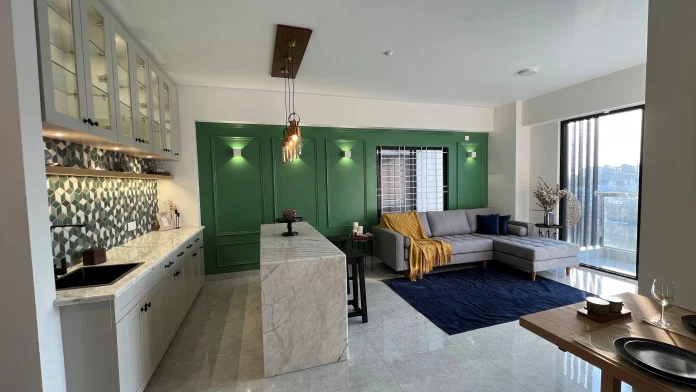
The image below illustrates the harmonious balance of natural light, negative space, and organic textures that define an anxiety-reducing minimalist living area:
