

A kitchen renovation is one of the most significant investments a homeowner can make. When executed properly, a remodeled culinary space dramatically enhances daily living and serves as a powerful selling point when the property hits the real estate market. Potential homebuyers routinely prioritize the condition and design of the kitchen above almost every other room in the house.
However, the line between a value-adding upgrade and a costly financial blunder is incredibly thin. Many homeowners let personal design preferences overshadow practical architectural logic or fall victim to fleeting trends that quickly feel outdated. If a renovation fails to respect spatial efficiency, material durability, or universal design principles, it can actively lower your overall home resale value. Navigating a major kitchen overhaul requires understanding the specific planning errors that turn a premium renovation project into a costly real estate liability.
Over-Customization and Niche Personalization
The primary rule of remodeling for resale value is to design for a broad demographic of future buyers, not just for your individual eccentricities. While your home should reflect your lifestyle, the kitchen needs to maintain a degree of broad, objective appeal.
Hyper-Specific Appliance Layouts
Installing appliances that cater to a highly specific culinary niche can severely alienate future buyers. Built-in commercial-grade woks, specialized indoor pizza ovens, or multi-tiered espresso bars require dedicated cutouts in the cabinetry and countertops. If a buyer does not cook in that specific manner, they see these features as wasted space that will cost thousands of dollars to rip out and convert back to standard cabinetry.
Controversial Color Choices
Bold, vibrant cabinetry colors such as dark plum, avocado green, or electric blue might fit a specific artistic vision, but they are incredibly polarizing in the real estate market. The vast majority of homebuyers prefer a neutral canvas, such as soft whites, muted grays, warm wood tones, or classic navy accents. Highly personalized colors signal immediate labor and expense to a buyer, who will mentally deduct the cost of repainting or replacing the cabinets from their initial offer.
Neglecting the Work Triangle and Spatial Flow
An attractive kitchen is practically useless if the layout forces you to fight against the natural mechanics of meal preparation. A beautiful kitchen with a flawed layout will instantly discourage home shoppers who love to cook.
Disrupting the Essential Work Triangle
The kitchen work triangle is an architectural standard that dictating the ideal distance between the three most frequented zones: the refrigerator, the sink, and the cooktop.
-
The Path of Movement: These three elements should form a comfortable triangle with unobstructed pathways.
-
The Spatial Penalty: Placing a massive, unmovable center island directly between the refrigerator and the sink breaks this fundamental flow. Forcing a cook to constantly walk around an obstacle just to rinse vegetables or grab milk introduces daily friction that devalues the home.
Inadequate Clearances and Traffic Jams
Failing to account for the clearance circles of appliance doors, drawers, and walkways is a classic amateur drafting mistake. If a refrigerator door hits the edge of the kitchen island when opened, or if two people cannot comfortably pass each other in the main cooking aisle, the space will feel cramped and poorly engineered regardless of how expensive the finishes are.
Choosing Low-Durability or High-Maintenance Materials
When inspecting a kitchen, savvy homebuyers look past the initial surface sheen to evaluate how the materials will hold up over a decade of intensive daily use. Investing in materials that require high maintenance is a major deterrent.
High-Maintenance Countertops
Natural marble is undeniably elegant, but it is highly porous and susceptible to permanent etching, staining, and scratching from everyday acids like lemon juice, coffee, and tomato sauce. Homebuyers who want a low-maintenance lifestyle view delicate marble surfaces as a chore. Opting for premium quartz, which mimics the appearance of natural stone but offers complete stain and scratch resistance, is a much safer bet for preserving long-term equity.
Trendy But Impractical Backsplashes
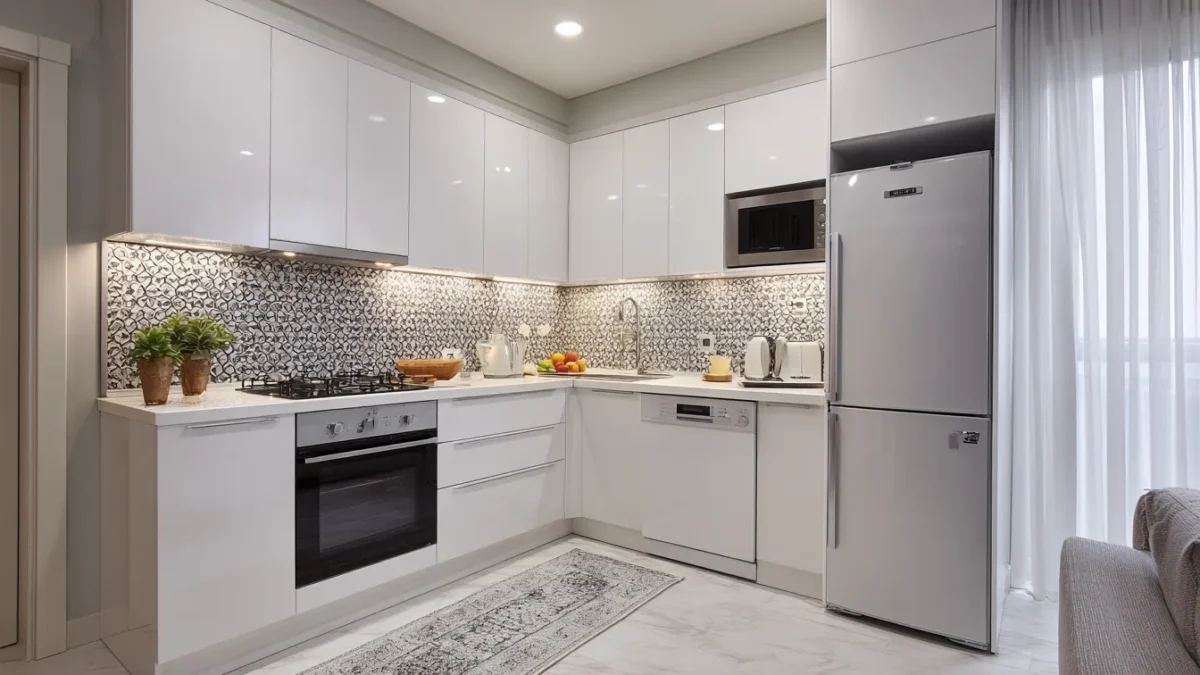
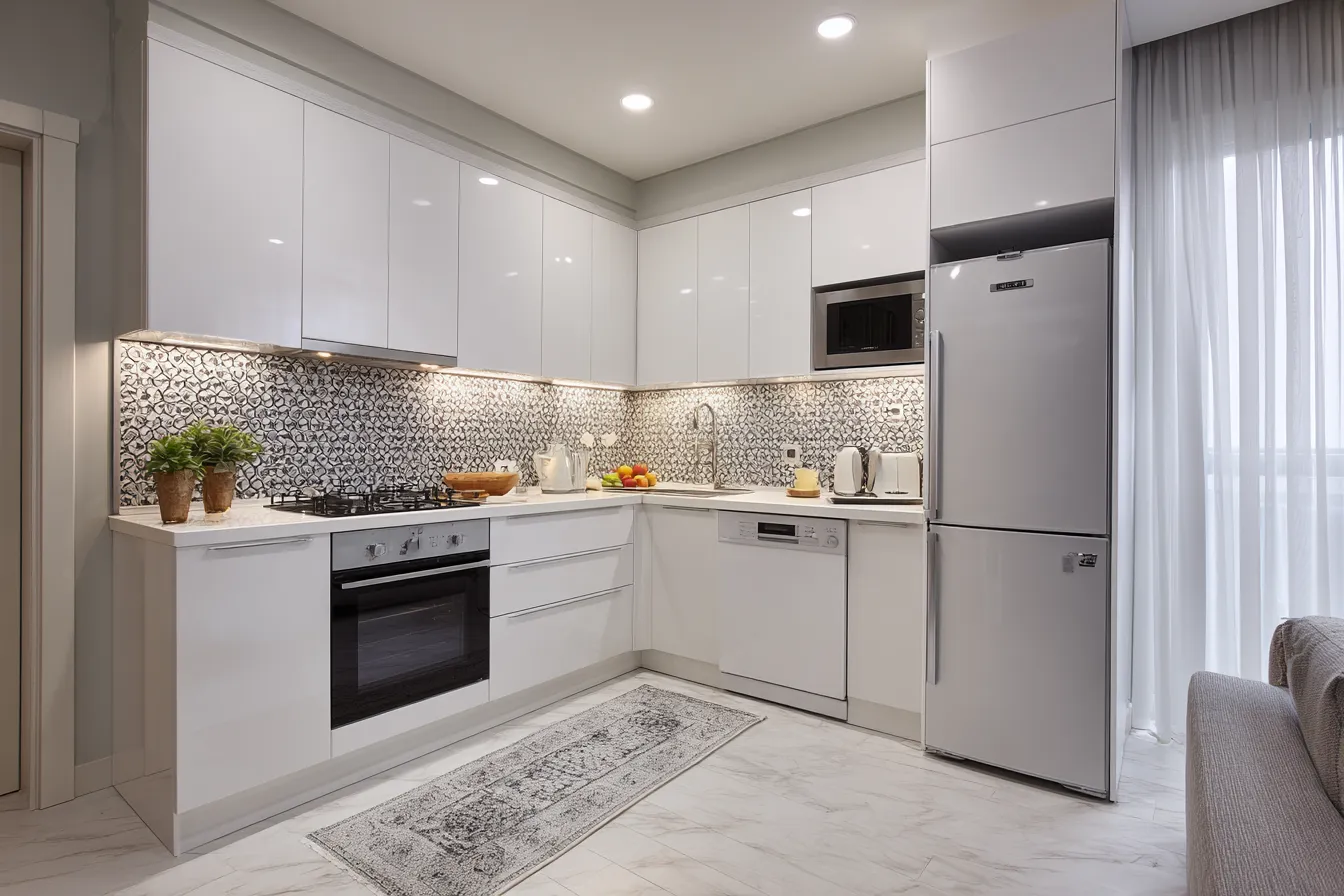
Intricate, highly textured tile mosaics or deeply grooved surfaces may look striking in an interior design showroom, but they are a nightmare to clean in a real-world kitchen. Airborne cooking grease and splattered oil settle into tiny crevices and porous grout lines, requiring exhausting scrubbing to maintain. Smooth, easily wiped ceramic tiles or slab backsplashes are universally preferred for their sanitary practicality.
Skimping on Lighting Design
Lighting is frequently treated as an afterthought in DIY or low-budget renovations, resulting in a dim, uninviting environment that exposes structural flaws during an open house. A single overhead light fixture in the center of the room is entirely insufficient.
The Absence of Task Lighting
Cooking requires precision work with sharp knives and hot surfaces. Shadows cast by overhead fixtures can make prep areas dark and unsafe. Failing to install dedicated under-cabinet LED strip lighting leaves the primary countertop areas shrouded in darkness, making the kitchen feel small, dreary, and poorly planned.
Ignoring Layered Ambient and Accent Illumination
A valuable kitchen design utilizes layered illumination. This includes ambient recessed ceiling lights for general visibility, focused task lighting over prep zones, and elegant accent pendant lights over an island or dining space to establish a warm, welcoming mood. Proper lighting elevates affordable materials, while poor lighting makes luxury finishes look cheap.
Over-Improving for the Local Neighborhood Market
Real estate markets operate on localized economic averages. One of the easiest ways to lose money on a kitchen remodel is to invest in finishes that far exceed the expectations or price ceiling of your specific neighborhood.
-
The Reality of Valuation: If the average home price in your immediate area is three hundred thousand dollars, installing a luxury custom kitchen with imported French ranges and professional stone carvings will not magically elevate your home value to five hundred thousand dollars.
-
The Return on Investment Trap: Appraisers evaluate properties based on historical data from comparable homes nearby. Over-improving your kitchen creates a situation where you cannot recover your material costs, as local buyers will be priced out or unwilling to pay a massive premium for features that outclass the rest of the block.
Frequently Asked Questions
Is it better to reface existing kitchen cabinets or replace them entirely for resale?
If your current cabinet boxes are structurally sound, made of solid plywood, and have a functional layout, refacing or professionally painting them is a highly cost-effective strategy that yields an excellent return on investment. Replacing cabinets completely is only necessary if the layout is fundamentally broken, if the current frames are constructed of warped particleboard, or if the wood has sustained permanent water damage.
Should I remove a kitchen pantry to gain more open countertop space?
Generally, no. Dedicated storage space is a massive priority for modern homebuyers, especially families. Removing a tall pantry cabinet or a built-in walk-in closet just to extend a section of countertop usually backfires, as buyers will immediately notice the lack of storage options for bulk dry goods, small appliances, and household supplies.
What type of flooring offers the best return on investment in a kitchen?
Continuous luxury vinyl plank flooring or durable porcelain tile offers the highest return for a kitchen environment. These materials are completely waterproof, scratch-resistant, and easy to clean, making them highly attractive to buyers with children or pets. Avoid installing solid hardwood or cheap laminate in kitchens, as these materials are highly sensitive to moisture damage from appliance leaks.
How do buyers view open shelving compared to traditional upper cabinets?
While open shelving has been a major visual trend on social media, it is often viewed impractical by typical homebuyers. Open shelves require constant organizing and dust removal, and they expose your daily dishes to airborne kitchen grease. Maintaining a balance by using traditional closed cabinetry for primary storage, paired with a very small accent section of open shelving, is the best compromise for resale.
Should I upgrade my appliances to smart technology before selling my home?
While smart appliances with built-in touchscreens and internet connectivity look impressive, they do not provide a significant boost to your appraisal value. Buyers are far more concerned with the brand reliability, matching finishes, and the energy efficiency ratings of the appliances rather than whether a refrigerator can sync with a smartphone. Stick to clean, cohesive stainless steel packages from reputable, mid-to-high-tier manufacturers.
Can a kitchen island be too large for the room?
Absolutely. A kitchen island should never dominate the space or restrict fluid movement. Architectural standards suggest maintaining a minimum clearance of thirty-six inches, and ideally forty-two to forty-eight inches, of open walkway space on all sides of the island. If the island restricts the opening of appliance doors or crowds the room, it will actively detract from the home market appeal.
