
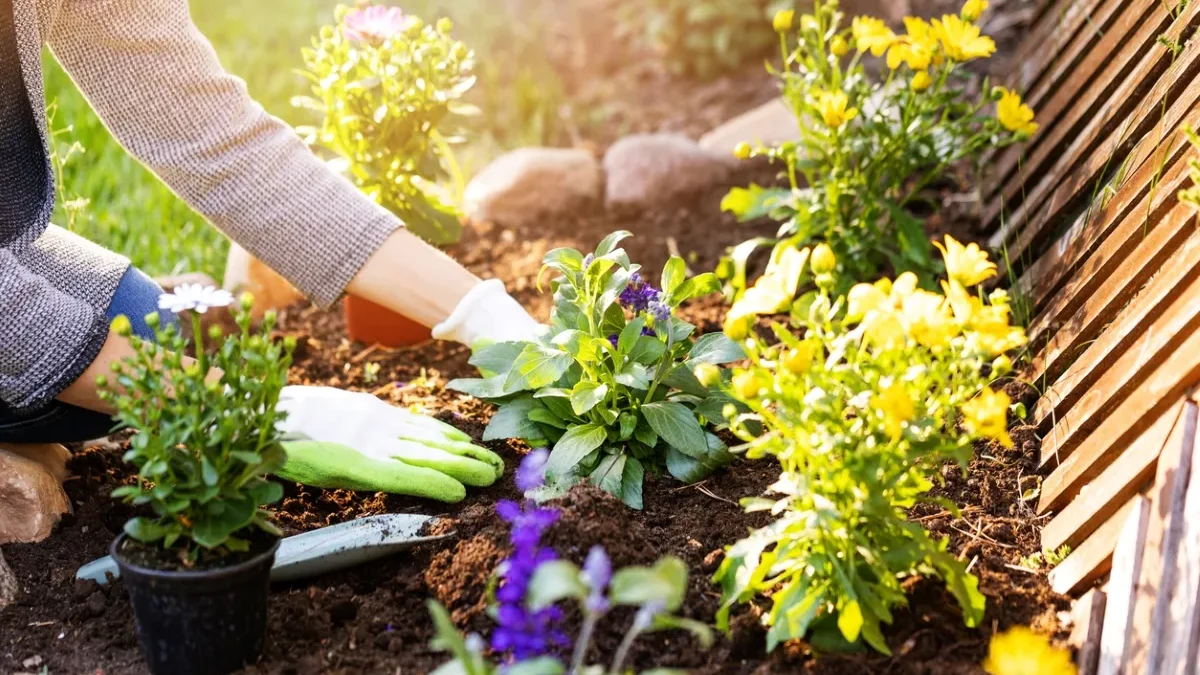

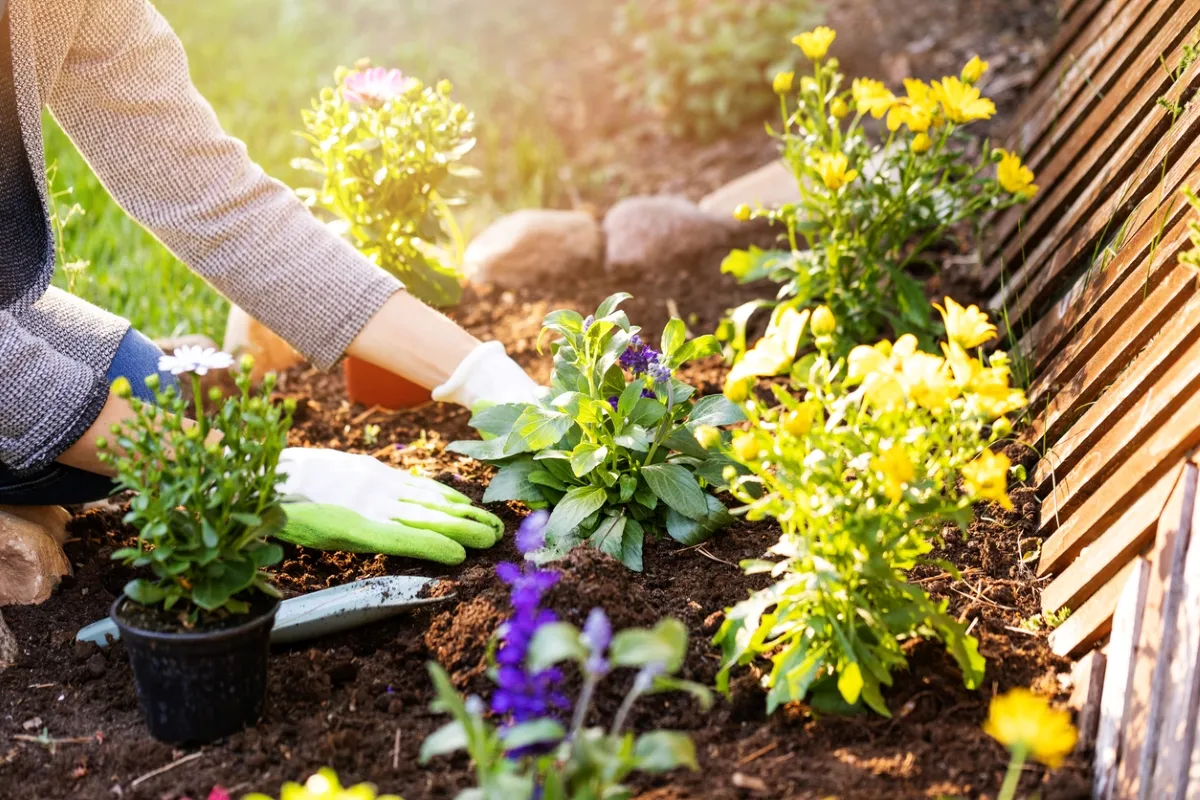
Creating a beautiful outdoor space does not require spending every weekend pulling weeds, hauling heavy bags of fertilizer, or meticulously monitoring soil moisture levels. For many homeowners, busy schedules make an intensive gardening routine impractical. Fortunately, designing a thriving landscape can be achieved by choosing resilient, self-sufficient flora.
By selecting flora suited for your climate and soil type, you can build a resilient outdoor environment that practically manages itself. Low-maintenance gardening relies on durable species that withstand temperature fluctuations, resist common pests, and require minimal pruning. Selecting these hardy varieties allows you to enjoy a lush, colorful yard with plenty of time left over to relax and appreciate the view.
The Strategy Behind a Hands-Off Landscape
Successful low-maintenance gardening depends entirely on selecting the right vegetation for your specific environment. When you choose species that naturally thrive in your local climate, you reduce the need for artificial interventions like excessive watering or chemical soil amendments.
Before purchasing new additions for your yard, look at the sunlight patterns, soil drainage, and average rainfall of your property. Grouping varieties with similar moisture and light needs ensures efficiency, keeping your outdoor spaces healthy without demanding constant supervision.
1. Purple Coneflower (Echinacea purpurea)
Purple Coneflower is a quintessential perennial that brings vibrant color to summer landscapes without requiring constant attention. Native to North American prairies, this sturdy plant is built to handle harsh environmental elements.
-
Sunlight Requirements: Full sun to partial shade.
-
Moisture Needs: Highly drought-tolerant once established; prefers well-drained soil.
-
Key Benefits: Features daisy-like purple petals surrounding a distinct, cone-shaped center. They attract native pollinators like bees and butterflies, providing essential wildlife support while resisting common garden pests.
2. Hostas (Hosta spp.)
For shaded yards where grass and flowers struggle to survive, hostas are an exceptional solution. Celebrated for their lush, architectural foliage, these resilient perennials create dense ground coverage that naturally suppresses weed growth.
-
Sunlight Requirements: Full shade to partial shade.
-
Moisture Needs: Prefers consistently moist, well-draining soil but tolerates brief dry spells.
-
Key Benefits: Available in a vast range of leaf colors, including chartreuse, deep emerald, and variegated white-and-green. Once planted, hostas grow reliably year after year, expanding in size with virtually zero daily maintenance.
3. Black-Eyed Susan (Rudbeckia fulgida)
Black-Eyed Susans deliver a cheerful splash of bright yellow to summer and autumn gardens. These wildflowers are famous for their ability to thrive in poor soil conditions where more delicate species fail.
-
Sunlight Requirements: Optimal growth in full sun.
-
Moisture Needs: Moderate to low water needs; adapts well to dry summers.
-
Key Benefits: The tough stems rarely require staking, and the blossoms remain vibrant for weeks. Leaving the faded flower heads intact through autumn provides a natural winter food source for local birds.
4. Sedum or Stonecrop (Sedum spp.)
Sedum encompasses a diverse family of succulents ranging from low-growing ground covers to upright varieties like Autumn Joy. Their thick, fleshy leaves are designed to store water, making them impervious to intense summer heat waves.
-
Sunlight Requirements: Full sun.
-
Moisture Needs: Extremely low water requirements; thrives in sandy or gravelly soil.
-
Key Benefits: Sedum handles poor, rocky soil with ease and is highly resistant to drought. In late summer, they produce dense clusters of star-shaped flowers that transition from soft pink to a rich copper hue as winter approaches.
5. Daylilies (Hemerocallis spp.)
Often called the ultimate carefree perennial, daylilies are tough enough to survive along highways, open fields, and rugged hillsides. They adapt seamlessly to a wide variety of soil chemistry and moisture conditions.
-
Sunlight Requirements: Full sun to partial shade.
-
Moisture Needs: Adaptable to wet or dry environments, though regular moisture produces the best blooms.
-
Key Benefits: Daylilies form dense mounds of grass-like foliage that crowd out competing weeds. While individual flowers last only a single day, each plant produces numerous stalks packed with buds, ensuring continuous color for weeks.
6. Russian Sage (Salvia yangii)
Russian Sage offers a wispy, ethereal texture to the garden with its silver-gray stems and delicate lavender-blue flower spikes. This sub-shrub is incredibly resilient against environmental stressors.
-
Sunlight Requirements: Maximum sun exposure is ideal.
-
Moisture Needs: Prefers dry, well-drained, lean soil; avoid overwatering.
-
Key Benefits: The aromatic oils in the foliage act as a natural deterrent against foraging deer and rabbits. It requires no fertilization and only needs a single pruning session in early spring to encourage fresh growth.
7. Catmint (Nepeta spp.)
Catmint is a hardworking perennial that produces a continuous carpet of soft purple blooms from late spring until autumn. It is a sterile alternative to traditional catnip, meaning it will not spread aggressively throughout your property.
-
Sunlight Requirements: Full sun to light shade.
-
Moisture Needs: Exceptional drought tolerance once roots are established.
-
Key Benefits: If the blossoms begin to fade midway through summer, shearing the plant back by half stimulates a rapid wave of new growth and a second flush of flowers within a few weeks.
8. Feather Reed Grass (Calamagrostis x acutiflora)
Incorporating ornamental grasses is an excellent way to add movement, height, and year-round structural interest to a low-maintenance yard. Karl Foerster is a particularly popular cultivar that maintains a neat, upright shape.
-
Sunlight Requirements: Full sun.
-
Moisture Needs: Tolerates heavy clay soils and occasional standing water, but manages fine in dry conditions.
-
Key Benefits: This grass grows in neat vertical clumps that do not invade neighboring garden beds. The golden seed heads remain intact throughout winter, offering architectural interest against winter snow.
9. Lambs Ear (Stachys byzantina)
Grown primarily for its unique texture, Lambs Ear features thick, velvety, silver-colored leaves that feel remarkably like soft wool. It serves as an excellent ground cover for hot, dry border edges.
-
Sunlight Requirements: Full sun.
-
Moisture Needs: Low water requirement; highly sensitive to waterlogged or poorly draining soil.
-
Key Benefits: The fuzzy texture that makes the leaves soft to the touch also renders them completely unpalatable to deer, rabbits, and destructive insects.
10. Blanket Flower (Gaillardia spp.)
Blanket Flower is a short-lived but fast-growing perennial that produces fiery, bi-colored blossoms resembling native woven blankets. They are well-suited for coastal environments where salt spray or sandy soil makes traditional gardening difficult.
-
Sunlight Requirements: Absolute full sun.
-
Moisture Needs: Prefers dry, loose, well-drained soils; highly susceptible to root rot in soggy ground.
-
Key Benefits: These plants bloom continuously from summer until the first hard frost without requiring deadheading. Their ability to tolerate high heat and poor soil makes them perfect for sunny parkways or rock gardens.
Frequently Asked Questions
Can low-maintenance gardens survive a severe winter freeze?
Most of the perennials listed, including Hostas, Coneflowers, and Sedum, are fully winter-hardy across the majority of North American planting zones. During the autumn chill, their above-ground foliage naturally dies back to the ground. The root systems remain insulated beneath the soil, lying dormant through the winter before sending up fresh green shoots when temperatures warm in the spring.
How do I suppress weeds in a garden without spending hours pulling them?
The most effective hands-free method to suppress weeds is applying a clean three-inch layer of organic wood mulch over exposed soil spaces. Mulch blocks sunlight from reaching hidden weed seeds, preventing them from germinating. Additionally, as your low-maintenance ground covers like Hostas or Daylilies mature, their dense leafy structures will naturally shade the ground, leaving no room for weeds to establish.
Do I need to fertilize easy-to-grow plants every spring?
Generally, no. Many low-maintenance varieties, especially Russian Sage, Sedum, and Blanket Flower, actually prefer lean, nutrient-poor soil. Adding heavy chemical fertilizers can cause these species to grow weak, floppy, and structurally unstable stems. A simple top-dressing of organic compost mixed into the surrounding soil once every few years provides all the subtle nutrition they require.
What is the best way to water a low-maintenance garden efficiently?
Installing a automated drip irrigation system or running a porous soaker hose beneath your layer of mulch is the absolute best approach. Drip irrigation delivers moisture directly to the root zones of your vegetation, minimizing evaporation losses and preventing wet leaves, which can invite fungal diseases. Once your drought-tolerant species have developed mature roots after their first year, you will only need to run the irrigation during extended heat waves or droughts.
Why are my drought-tolerant plants turning yellow and wilting?
The most frequent cause of yellowing leaves in hardy species is overwatering or waterlogged soil. Drought-tolerant flora are specifically adapted to dry conditions and require oxygen around their root systems. If planted in dense clay or a low spot with poor drainage, their roots will suffocate and rot, causing the upper foliage to yellow, wilt, and drop off.
Is it necessary to cut back ornamental grasses before the winter season?
No, it is highly recommended to leave ornamental grasses standing throughout the winter months. The intact golden stalks provide excellent structural interest in snowy conditions and offer valuable shelter for beneficial local wildlife. Wait until early spring, just before the new green shoots emerge from the base, to shear the old stalks down to about six inches from the ground.
