
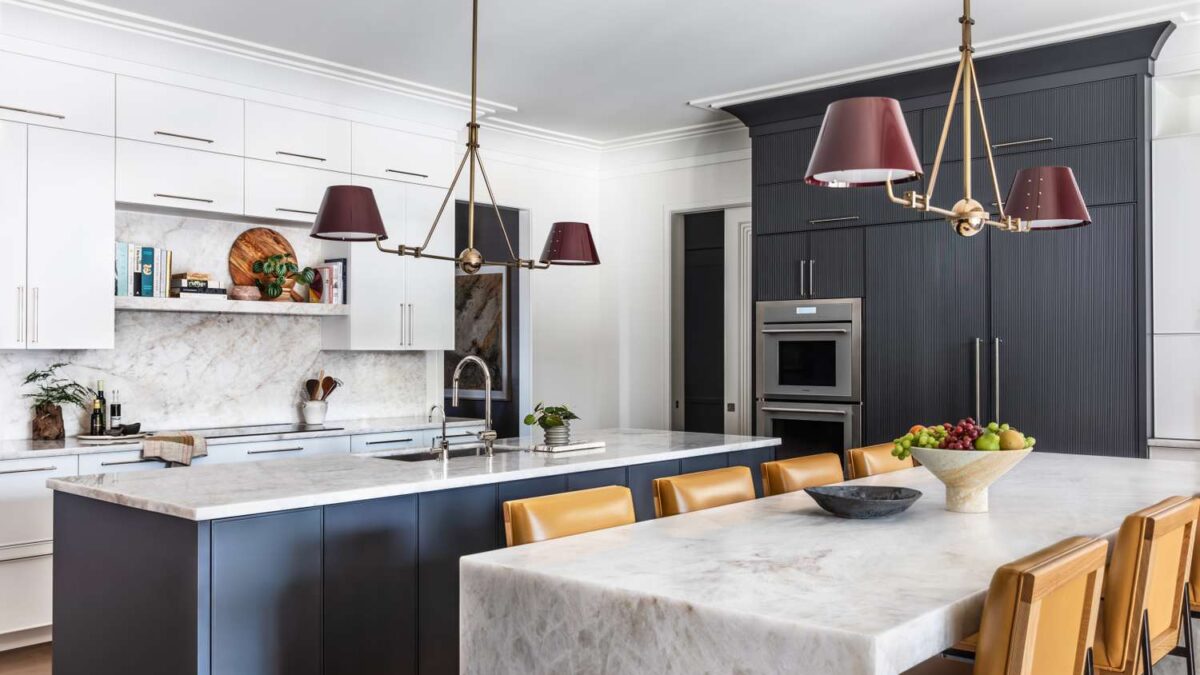

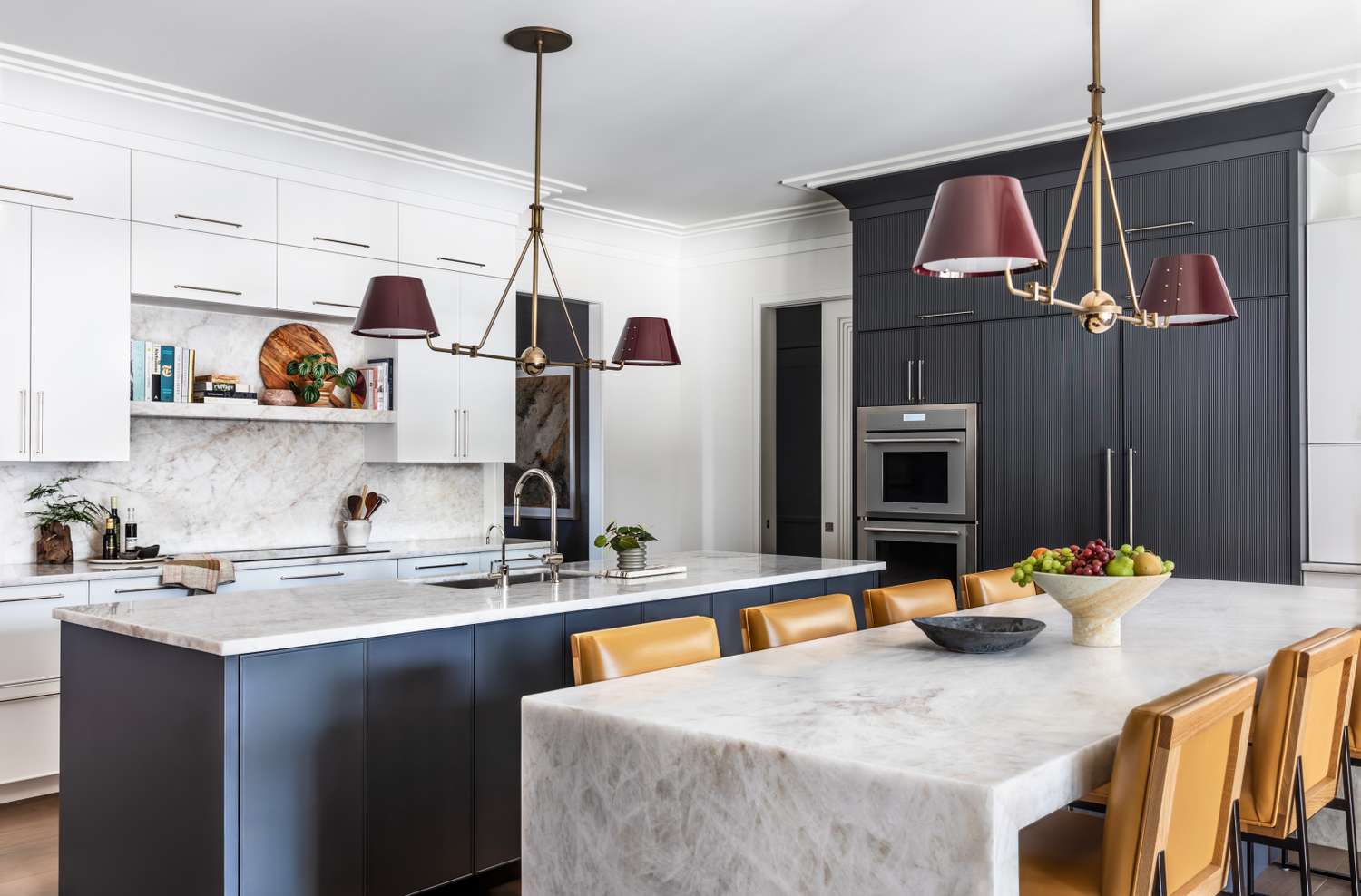
The kitchen is widely considered the heart of the modern home, and at the center of the contemporary kitchen sits the kitchen island. What began decades ago as a simple utility cart has evolved into a multi-functional design anchor. A well-designed kitchen island serves as a prep station, a dining table, a storage unit, an entertainment center, and a striking visual focal point.
However, designing an island that seamlessly balances utility and aesthetics requires careful planning. Without a thoughtful approach to proportions, clearance zones, and task assignments, a kitchen island can quickly become a frustrating bottleneck rather than an asset. By focusing on smart space management and cohesive design elements, you can create a layout that meets your daily needs while elevating your interior style.
1. Establish the Primary Purpose of the Island
Before picking out stone samples or cabinet colors, you must identify how your family will use the island most frequently. The primary function will dictate the dimensions, structural requirements, and material selections.
The Meal Prep Station
If your main goal is to expand your workspace, prioritize an expansive, uninterrupted countertop. Keep the surface clear of built-in appliances or sinks to allow maximum room for rolling dough, chopping vegetables, and assembling dishes. Make sure the storage cabinets directly beneath contain trash pull-outs, mixing bowl organizers, and knife drawers.
The Entertaining and Dining Hub
For households that love to host or prefer casual family meals, the island should prioritize comfortable seating and a welcoming layout. Designing an overhanging countertop allows bar stools to tuck neatly underneath, keeping guests comfortable and out of the primary cooking pathways.
The Appliance and Clean-Up Center
Integrating major fixtures into your island can optimize your overall kitchen workflow. Placing the main sink or a secondary prep sink on the island keeps the cook facing the room rather than staring at a wall. You can also house a dishwasher, a microwave drawer, or a under-counter wine cooler within the island base to free up perimeter wall cabinets.
2. Get the Proportions and Clearances Right
Space planning is the most critical element of kitchen island design. An island that is too large will disrupt the flow of traffic, while an island that is too small can look lost and fail to provide meaningful utility.
Clear Walkways and Flow
The absolute minimum clearance on all sides of a kitchen island is 36 inches, but 42 to 48 inches is highly recommended, especially in multi-cook households. This spacing ensures that refrigerator doors, oven racks, and dishwashers can be fully opened without blocking your walkways or presenting safety hazards.
Height Choices
The standard height for a kitchen island countertop is 36 inches, which matches the surrounding perimeter cabinetry and provides an ergonomic surface for standing prep work. If you plan to incorporate bar seating, you can opt for a single-level 36-inch island paired with counter-height stools, or a tiered design featuring a raised 42-inch tier to cleanly separate the messy prep zone from the eating surface.
Countertop Depth and Seating Overhangs
For an island to accommodate comfortable seating, the countertop must extend past the base cabinets to create adequate knee room. For standard 36-inch-high counters, aim for a minimum overhang depth of 12 to 15 inches. For 42-inch-high bar counters, a 12-inch overhang is generally sufficient. Each seated person requires at least 24 inches of horizontal width to avoid feeling crowded by neighboring diners.
3. Plan Smart Storage and Organization Solutions
A kitchen island offers a significant volume of storage space that shouldn’t be wasted on deep, dark cabinets where items get lost. Incorporating specialized interior organization can make your kitchen run with absolute precision.
Deep Drawers Over Low Cabinets
Instead of standard lower cabinets with swinging doors, use deep drawers on heavy-duty glides. Drawers pull out completely, allowing you to view and access heavy pots, pans, and small appliances easily from above without kneeling or digging.
Utilize the Outer Ends
The short ends of a kitchen island are frequently left as blank panels. Instead, maximize this square footage by installing shallow open shelving for your favorite cookbooks, a vertical rack for baking sheets, or subtle hooks for dish towels and aprons.
Dedicated Trash and Recycling Pull-Outs
Integrating a double-bin pull-out cabinet for trash and recycling directly within your island is a game-changer. Position it next to your sink or primary prep zone so you can sweep food scraps directly off the counter and into the bin without carrying dripping waste across the floor.
4. Layer Your Lighting Effectively
Even the most beautiful kitchen island will fall flat without an intentional lighting scheme. Because islands host a variety of tasks, your lighting must serve multiple purposes.
Statement Pendant Lights
Pendant fixtures provide essential task lighting while serving as jewelry for the kitchen. When hanging multiple pendants, maintain a balanced spacing of roughly 30 inches between the bottom of the fixture and the top of the counter. Ensure the lights are spaced evenly from each other and terminate at least 6 inches from the edges of the island to prevent a cramped look.
Recessed Can Lighting
Pendant lights provide localized illumination, but they should always be supported by ambient recessed ceiling lights. Position recessed fixtures around the perimeter of the island to fill in shadows and ensure the entire workspace is evenly bright.
Under-Counter and Toe-Kick LEDs
For a touch of luxury and nighttime safety, consider installing low-voltage LED strip lighting underneath the countertop overhang or along the recessed toe-kick at the floor level. This creates a soft, floating effect that serves as an excellent low-glare nightlight.
5. Select Cohesive Materials and Finishes
Your kitchen island can either blend seamlessly with your perimeter cabinetry or act as a striking contrast piece. Both approaches can achieve stunning results depending on your overall design vision.
Cabinetry Colors
Painting the island a different color than the rest of the kitchen cabinets is an excellent way to break up a large room. For example, pairing crisp white perimeter cabinets with a rich navy blue or charcoal gray island creates a grounded, upscale aesthetic. If you prefer a subtle look, keep the cabinet colors identical but change the hardware finish.
Countertop Durability
The island countertop experiences significant wear and tear. Engineered quartz is a highly popular option due to its non-porous nature, scratch resistance, and lack of required maintenance. If you choose natural stones like marble or quartzite, enjoy their distinct beauty but remember they require routine sealing and are susceptible to etching from acidic foods like lemons or tomato sauce.
FAQ
Can I add a kitchen island to a small kitchen layout?
Yes, but you must look at your overall room layout carefully. If a fixed island restricts your walkways to less than 36 inches, a rolling kitchen cart or a slender work table can provide the extra prep space you need without permanently trapping your traffic flow.
What are the electrical outlet requirements for a kitchen island?
National electrical codes generally dictate that fixed kitchen islands must include at least one or two receptacle outlets depending on the overall square footage of the countertop surface. This prevents homeowners from stretching hazardous extension cords across open walkways to power small appliances. Pop-up outlets that mount flush into the countertop are a popular option for maintaining clean lines.
Is it better to place the cooktop or the sink on the island?
Sinks are generally preferred because they allow you to interact easily with guests while washing dishes or prepping food. Placing a cooktop on an island requires a dedicated island building hood or a downdraft ventilation system to handle smoke and odors, which can block sightlines or complicate your ceiling structural layout.
How do I determine how many stools will comfortably fit at my island?
Calculate the available width of your island’s seating side and divide by 24 inches. This standard rule ensures that each individual has enough elbow room to eat comfortably without bumping arms with their neighbor.
Can I mix two different countertop materials in the same kitchen?
Absolutely. Combining different surfaces is a great way to delineate functional zones. A popular combination is using a durable quartz or granite for the main perimeter counters and a warm, thick butcher block wood section on the island to serve as an inviting dining surface.
How far should an island be from the opposing kitchen cabinets?
The ideal distance is between 42 and 48 inches. This sweet spot allows multiple people to move past each other comfortably, permits appliances to open fully, and ensures you do not have to take too many steps when moving items between the island and the perimeter work counters.
