
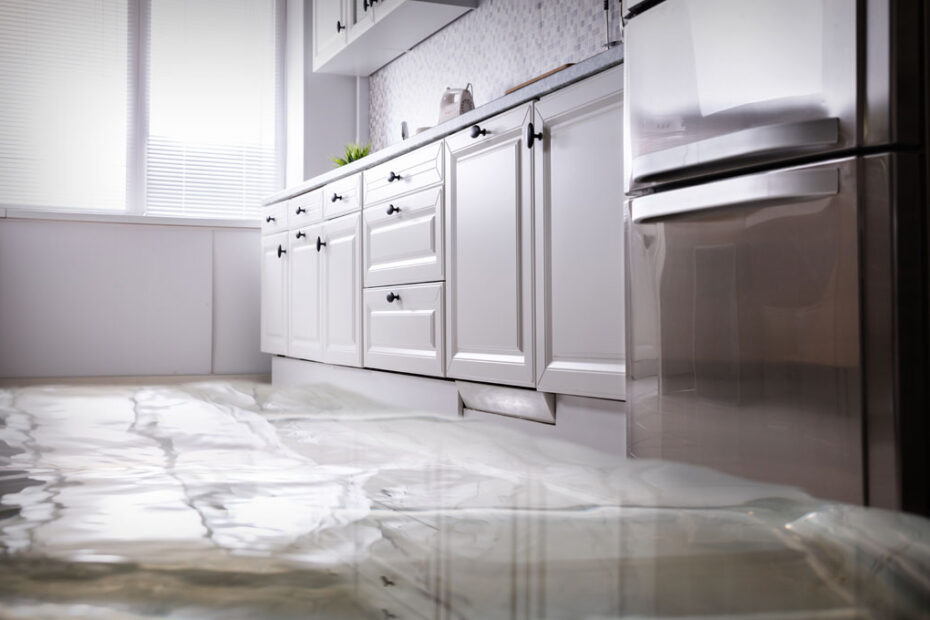

Dealing with water damage is stressful enough, but navigating insurance claims afterward can be even more daunting. Between complex documentation, unclear coverage clauses, and time-sensitive reporting requirements, property owners often struggle to secure fair compensation. For homeowners in coastal regions like North Palm Beach, where humidity and storms increase the risk of water intrusion, understanding how to handle insurance efficiently is critical. Partnering with professionals such as DryMedic ensures that restoration and insurance coordination go hand in hand, saving time, stress, and money.
Why Insurance Claims for Water Damage Are Complicated
Water damage can originate from many sources—burst pipes, appliance leaks, roof failures, or storm surges—and not all are covered equally. Insurance policies typically distinguish between sudden and accidental damage (usually covered) and gradual or maintenance-related issues (often excluded). Homeowners frequently discover this distinction too late, resulting in partial reimbursement or denied claims.
Additionally, insurers require detailed evidence to prove the cause, timeline, and extent of damage. Without professional assessment and documentation, it’s easy for claims to be undervalued or rejected. Restoration experts familiar with insurance protocols provide essential documentation that supports the claim from the very beginning.
Step 1: Understanding Policy Coverage Before Disaster Strikes
Before any water damage occurs, it’s crucial to review the fine print of your policy. Most standard homeowner policies cover water damage from sudden internal sources but exclude flooding from natural disasters unless you carry a flood insurance rider. In coastal zones such as Palm Beach County, purchasing supplemental flood insurance through the National Flood Insurance Program (NFIP) is often a wise decision.
Pay attention to these sections:
-
Exclusions: Gradual leaks, foundation seepage, and mold from neglected maintenance may be excluded.
-
Limits of Liability: Many policies cap mold-related payouts, even if mold develops from covered water damage.
-
Restoration and Replacement Clauses: These determine whether the insurer covers full replacement cost or depreciated value.
Knowing your policy terms helps you act strategically when filing a claim.
Step 2: Immediate Actions After Discovering Water Damage
Timing is everything in insurance. The faster you report the incident and document the damage, the better your chances of approval. The following steps establish credibility and prevent disputes later:
-
Stop the Source: Shut off the main water supply or address the leak source immediately.
-
Document Everything: Take photos and videos from multiple angles before cleanup begins.
-
Notify Your Insurer: Report the incident within 24 hours and obtain a claim number.
-
Call a Certified Restoration Team: Professionals can verify moisture readings, prepare reports, and prevent secondary damage such as mold growth.
-
Avoid Premature Repairs: Temporary fixes are acceptable, but structural replacements should wait until after an insurance adjuster inspects the site.
Professional restoration teams often work directly with insurance adjusters, ensuring the scope of damage is fully understood and fairly assessed.
Step 3: Professional Documentation and Evidence Gathering
Insurance adjusters rely on measurable data to validate claims. Restoration professionals use calibrated instruments and standardized protocols to produce reliable documentation. This includes:
-
Moisture Mapping Reports: Visual diagrams showing saturation zones.
-
Humidity Readings: Data that supports the extent and duration of water exposure.
-
Material Assessments: Determining which structures are salvageable versus irreparable.
-
Before-and-After Photos: Chronological evidence of the restoration process.
Such detailed documentation strengthens the homeowner’s position by presenting indisputable proof of damage severity and the necessity of professional remediation.
Step 4: Working Effectively with Insurance Adjusters
Adjusters assess damage based on policy terms, and their interpretation often influences payout amounts. Maintaining transparency and professionalism during site visits can help align expectations. Allow your restoration team to be present during the inspection. Their technical expertise can clarify the cause of damage and prevent misclassification that could limit coverage.
If the adjuster undervalues the claim, homeowners can request a second inspection or hire an independent public adjuster for a reassessment. Keeping communication documented—via email rather than phone—is another best practice to maintain a clear record of commitments.
Step 5: Avoiding Common Mistakes That Lead to Claim Denials
Many denied claims stem from preventable errors. Common pitfalls include:
-
Delayed Reporting: Waiting too long to notify the insurer gives them grounds to deny the claim.
-
Incomplete Documentation: Missing moisture logs or incomplete photos weaken credibility.
-
Unauthorized Repairs: Undertaking major repairs before inspection may void eligibility.
-
Improper Cause Identification: Mislabeling storm surge flooding as pipe leakage, for example, can disqualify coverage under certain clauses.
Working with certified professionals ensures accuracy in both repair and reporting.
The Role of Professional Restoration Companies in Insurance Coordination
Experienced restoration firms bridge the gap between homeowners and insurers. Their teams are trained not only in damage mitigation but also in insurance documentation standards. Services typically include:
-
Comprehensive inspection reports formatted for insurance submission.
-
Coordination with adjusters during onsite assessments.
-
Itemized cost breakdowns aligning with industry pricing databases such as Xactimate.
-
Assistance with supplemental claims if hidden damage is discovered later.
This coordination reduces friction, accelerates claim processing, and maximizes fair reimbursement.
Why Speed and Accuracy Matter
Water damage worsens over time. As materials absorb moisture, costs escalate due to mold remediation, drywall replacement, and flooring repair. Insurance companies may decline to pay for damage that occurs after the initial incident, labeling it as “secondary loss.” Therefore, prompt action supported by accurate data ensures both restoration success and full coverage eligibility.
The Financial and Emotional Benefits of Professional Support
Homeowners often underestimate the mental toll of navigating a claim while dealing with property loss. Professionals relieve that burden by managing communication, providing progress reports, and ensuring every step meets regulatory and insurance standards. The result is not only a smoother financial recovery but also peace of mind knowing that nothing was overlooked.
Building Long-Term Insurance Readiness
Preparation can make or break future claims. Homeowners should:
-
Keep a digital home inventory of all major appliances, furniture, and valuables.
-
Store policy documents and receipts in cloud storage for easy retrieval.
-
Schedule annual property inspections to identify leaks before they cause damage.
-
Update insurance policies regularly as property improvements are made.
Proactive organization ensures faster claim approval and minimizes disputes when disaster strikes.
Conclusion
Navigating water damage insurance claims requires strategy, documentation, and expert collaboration. Understanding coverage details, acting quickly, and partnering with certified professionals like DryMedic transform a potentially overwhelming experience into a manageable process. The combination of technical precision, legal awareness, and transparent communication protects your property, finances, and future security—making the path from damage to reimbursement smoother and far less stressful.
FAQs
Q: Does homeowner’s insurance cover flooding from heavy rain?
A: Not always. Standard policies usually exclude flood damage caused by natural events. You need separate flood insurance for coverage in coastal or high-risk zones.
Q: Can I start cleanup before my insurance adjuster arrives?
A: You can take immediate actions to prevent further damage, such as removing standing water, but major repairs should wait until the adjuster documents the scene.
Q: What if hidden water damage is discovered after my claim is closed?
A: You can file a supplemental claim if new damage is directly related to the original incident. Documentation from professional restorers strengthens this request.
Q: How long do I have to file a water damage claim?
A: Most insurers require reporting within 14 to 30 days, but prompt filing—ideally within 24 hours—yields better results.
Q: Is mold remediation typically included in water damage coverage?
A: Coverage varies. Some policies include limited mold remediation if it results from a covered water loss, while others require an add-on endorsement for full protection.
