
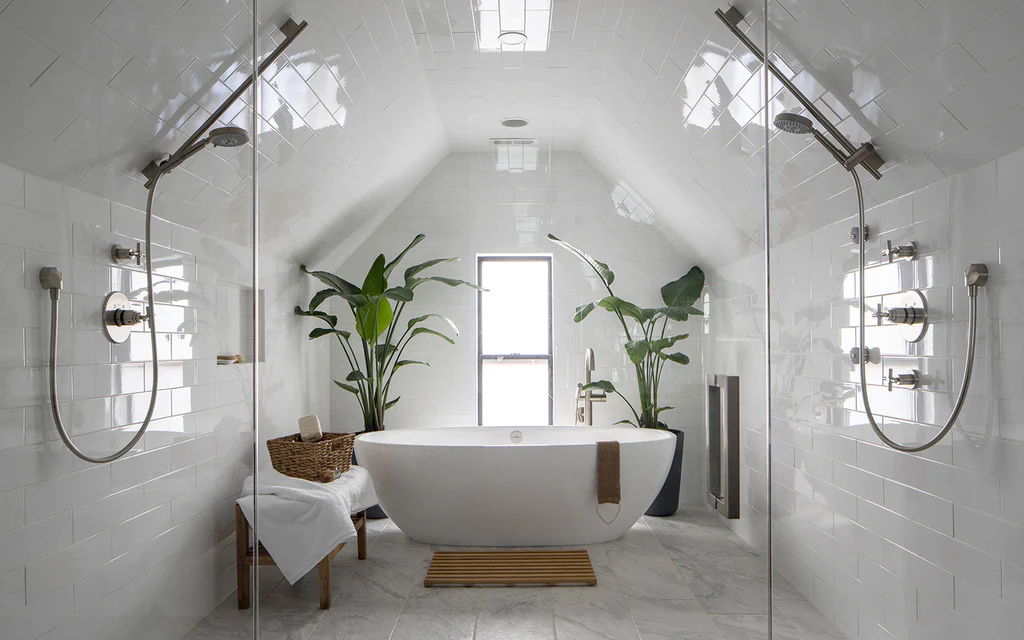

The master bathroom is no longer viewed as a purely utilitarian space designed only for quick morning routines. Increasingly, homeowners are recognizing the value of transforming this area into a personal sanctuary focused on health, relaxation, and physical restoration. A well-designed bathroom can emulate the calming atmosphere of a high-end luxury resort, providing a dedicated space to unwind from the stresses of daily life.
Creating a spa-like retreat within your home requires a thoughtful shift in design philosophy. It means moving away from clinical, cold surfaces and leaning toward intentional textures, advanced hydrotherapy, calming lighting schemes, and highly organized, clutter-free layouts. By focusing on sensory experiences and premium materials, you can successfully elevate a standard master bathroom into an immersive, private wellness oasis.
Establishing a Calming and Grounded Color Palette
The initial step in establishing a spa-like environment begins with your foundational color selection. Commercial day spas intentionally avoid aggressive, highly saturated pigments or stark, reflective white surfaces that can shock the nervous system. Instead, they rely on muted, complex neutral tones that encourage immediate psychological relaxation.
Warm neutrals provide an excellent foundation for a restorative master bathroom. Consider tones such as soft sand, rich greige, warm cream, and pale taupe. These shades interact gently with natural and artificial light, casting a soft glow across the entire room. If you prefer to incorporate cooler undertones, look toward nature for inspiration, utilizing earthy sage greens, muted moss tones, or deep slate grays.
When applying these colors, aim for visual continuity across all major surfaces. Painting the walls, ceiling, and trim in matching or highly closely related tones minimizes harsh structural lines, making the room feel larger, more unified, and inherently protective. This unbroken visual plane helps quiet the mind by removing distracting high-contrast transitions.
Integrating Organic Materials and Haptic Textures
A significant drawback of traditional bathrooms is their reliance on smooth, cold surfaces like polished ceramic and laminate. A true spa experience engages your sense of touch, using varied haptic textures to establish a visceral connection to the natural world.
Incorporate natural stone wherever possible. Matte-finished limestone, unpolished travertine, slate, and honed marble bring a tactile quality into the room. Whether utilized on the main floor, as a shower feature wall, or on the vanity countertop, the varied geological variations inherent in real stone prevent the space from feeling sterile.
Wood is equally vital for injecting required warmth. Introduce moisture-resistant timbers such as teak, cedar, white oak, or walnut through floating vanities, open shelving, or small structural elements like a bath bridge or accent stool. The presence of wood grain counters the hard lines of tile and plumbing fixtures, softening the entire room layout.
Textured wall finishes add another layer of depth. Hand-applied treatments such as microcement, lime wash, or clay plaster create subtle shifting shadows across the walls, ensuring that even minimalist spaces feel rich and deeply comforting to inhabit.
Designing the Ultimate Hydrotherapy Experience
At the core of any functional day spa is hydrotherapy, meaning your shower and tub configurations deserve primary consideration during a renovation. Upgrading standard fixtures to high-performance wellness systems fundamentally changes how you interact with the room.
If space permits, a deep, standalone soaking tub should serve as a primary design focal point. Sculptural tubs made from solid surface resin, volcanic limestone, or copper retain heat significantly longer than traditional acrylic models, allowing for extended, peaceful soaking sessions. Position the tub near a window to capitalize on natural views, or tuck it into a dedicated, dimly lit alcove for complete seclusion.
For the shower enclosure, aim to create an open-concept, curbless design. Eliminating the raised threshold allows the floor tile to run continuously into the wet area, creating a sleek, architectural look. Inside the enclosure, incorporate a multi-outlet water strategy:
-
Ceiling-Mounted Rain shower Heads: These simulate the gentle, aerated flow of natural rainfall, distributing water evenly over your entire body for a soothing sensory experience.
-
Wall-Mounted Body Sprays: Positioned at varying heights, body sprays provide targeted hydromassage to alleviate muscular tension in the upper and lower back.
-
Handheld Spray Attachments: Essential for localized rinsing, hair washing, and effortlessly cleaning down the shower enclosure walls.
-
Integrated Steam Units: Installing a sealed steam generator transforms the shower enclosure into an enclosed steam chamber, opening pores and promoting respiratory health.
Implementing a Layered and Adaptive Lighting Strategy
Relying on a single, brilliant overhead light fixture is an effective way to destroy a relaxing atmosphere. True spa environments utilize highly sophisticated, multi-layered lighting schemes that can adjust to suit different times of day and varying emotional needs.
Divide your lighting strategy into three distinct layers: ambient, task, and accent lighting. For ambient light, prioritize indirect sources. Recessed cove lighting along the perimeter of the ceiling or hidden LED strips tucked beneath a floating vanity cast a soft, diffused glow across the floor without exposing your eyes to bare, unshielded bulbs.
Task lighting remains necessary around the vanity mirror for grooming routines. Opt for integrated LED mirrors that emit even, forward-facing light, or install wall sconces at eye level on either side of the glass. Ensure all bulbs feature a warm color temperature, ideally between 2700K and 3000K, to prevent the room from taking on a cold, clinical blue hue.
Accent lighting introduces a sense of high-end drama. Low-voltage, waterproof pin lights can highlight architectural details inside a shower niche, while a dimmable low-level light path can safely guide you through a late-night bath without waking your senses. Always place every lighting zone on independent dimmer switches to allow complete control over the intensity of the environment.
Conquering Visual Clutter with Smart Storage
You cannot truly relax in an environment crowded with plastic shampoo bottles, loose cords, and counter clutter. Hidden, highly purposeful storage is critical for maintaining the clean visual planes required for mental stillness.
Opt for custom vanity configurations equipped with specialized internal organizational systems. Seek out deep drawers with built-in dividers, dedicated slots for hair styling tools, and integrated power outlets that allow you to charge electric toothbrushes and shavers out of sight.
Utilize recessed wall cabinets that sit flush with the surrounding drywall. By hiding storage behind mirrored fronts or matching wall panels, you maximize your storage capacity without taking up valuable floor space or disrupting the room’s geometry. In the shower, forgo hanging plastic caddies in favor of built-in, tiled niches that blend directly into the wall design, providing a clean home for daily cleansing products.
Elevating Sensory Details and Everyday Rituals
Once the primary structural elements are established, the final transformation relies on the intentional introduction of sensory details. These smaller additions reinforce the resort-like feel and make daily rituals feel deeply indulgent.
Invest in premium, long-staple Turkish or Egyptian cotton towels, plush bathrobes, and a weighted bath mat. Hanging these items from a dedicated heated towel rack ensures you are greeted by warm, dry fabric the moment you step out of the shower or tub.
Incorporate natural plant life to introduce organic energy and improve air quality. Varieties such as eucalyptus, peace lilies, Boston ferns, and snake plants thrive in the high humidity of a bathroom, bringing vibrant color and a sense of life to corners or vanity tops.
Finally, consider scent and sound. Utilize minimalist ceramic reed diffusers or stone oil diffusers to fill the space with calming, therapeutic essential oils such as lavender, cedarwood, and eucalyptus. If budget permits, install moisture-proof architectural speakers in the ceiling, allowing you to stream ambient soundscapes or soft instrumental music seamlessly during your relaxation time.
Frequently Asked Questions
How can I make my bathroom feel like a spa if I do not have room for a freestanding tub?
If space limits you to a shower-only layout, you can still easily achieve a spa environment by focusing entirely on upgrading the shower experience. Convert the existing stall into a curbless, frameless glass walk-in enclosure to maximize visual space. Install a premium multi-function shower system featuring an oversized rain shower head and a flexible handheld wand. Adding a built-in teak bench or a floating stone seat allows you to sit down and relax under the stream, mimicking a luxury steam room experience.
What are the best ways to ventilate a master bathroom to protect natural wood and stone?
To safely protect high-end materials from moisture damage, install a high-capacity, low-sone ventilation fan matched to the specific square footage of your bathroom. Look for advanced fans equipped with automatic humidity sensors that turn on automatically when moisture levels rise and continue running until the air is fully dry. Ensuring a consistent cross-breeze by leaving the door slightly open or opening a window after a hot bath will also help maintain proper relative humidity levels.
Are natural stone tiles difficult to maintain in a heavily used bathroom environment?
Natural stone tiles do require a bit more intentional care than standard glazed ceramic or porcelain tiles, but they are highly durable when managed correctly. The key requirement is sealing the stone with a premium, penetrating sealer immediately after installation and repeating the process annually. This prevents water, soap scum, and oils from soaking into the porous stone structure. For daily maintenance, you simply need to avoid harsh, acidic chemical cleaners and use gentle, pH-neutral soaps designed for stone.
How do I choose the correct color temperature for my bathroom lighting?
For a spa-like retreat, you should aim for warm, inviting illumination. Look for lightbulbs and integrated LED fixtures specified between 2700K and 3000K on the Kelvin scale. Anything above 4000K will cast a stark, bluish-white light that mimics an office building or hospital, making it difficult for the body to unwind. Implementing dimmers across all fixtures is the best way to transition from functional morning lighting to low-intensity evening relaxation.
What can I do to keep my stone floors from feeling uncomfortably cold in the morning?
The most effective way to eliminate cold floors is to install an electric radiant underfloor heating system beneath your stone or porcelain tile during a renovation. These systems consist of thin heating mats laid directly in the thinset mortar layer. They emit a consistent, low-intensity heat that warms the flooring material from the ground up, providing great thermal comfort while operating more efficiently than traditional baseboard heating.
Why is an integrated thermostatic valve recommended for a luxury custom shower?
A thermostatic valve regulates the incoming hot and cold water supplies to maintain an exact temperature, even if someone else runs water elsewhere in the household. This prevents unexpected, dangerous fluctuations in temperature while you shower. It also allows you to preset your ideal water temperature once, so every time you turn the shower on, the water warms up to that exact level without requiring manual adjustments.
