
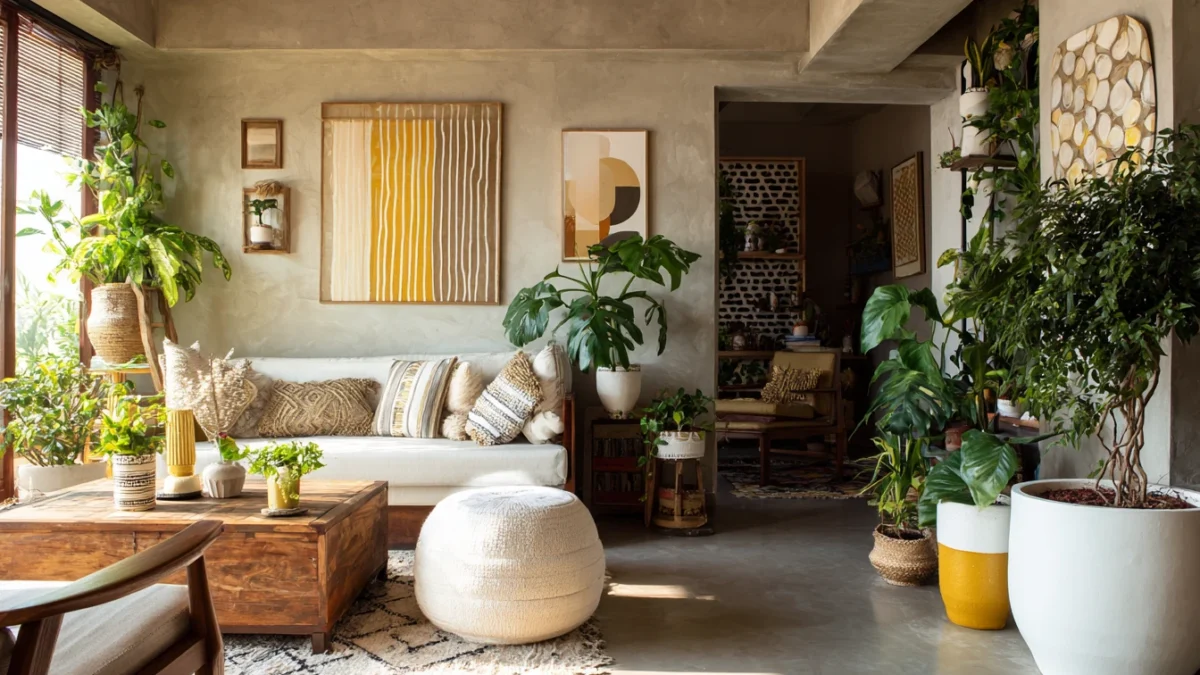

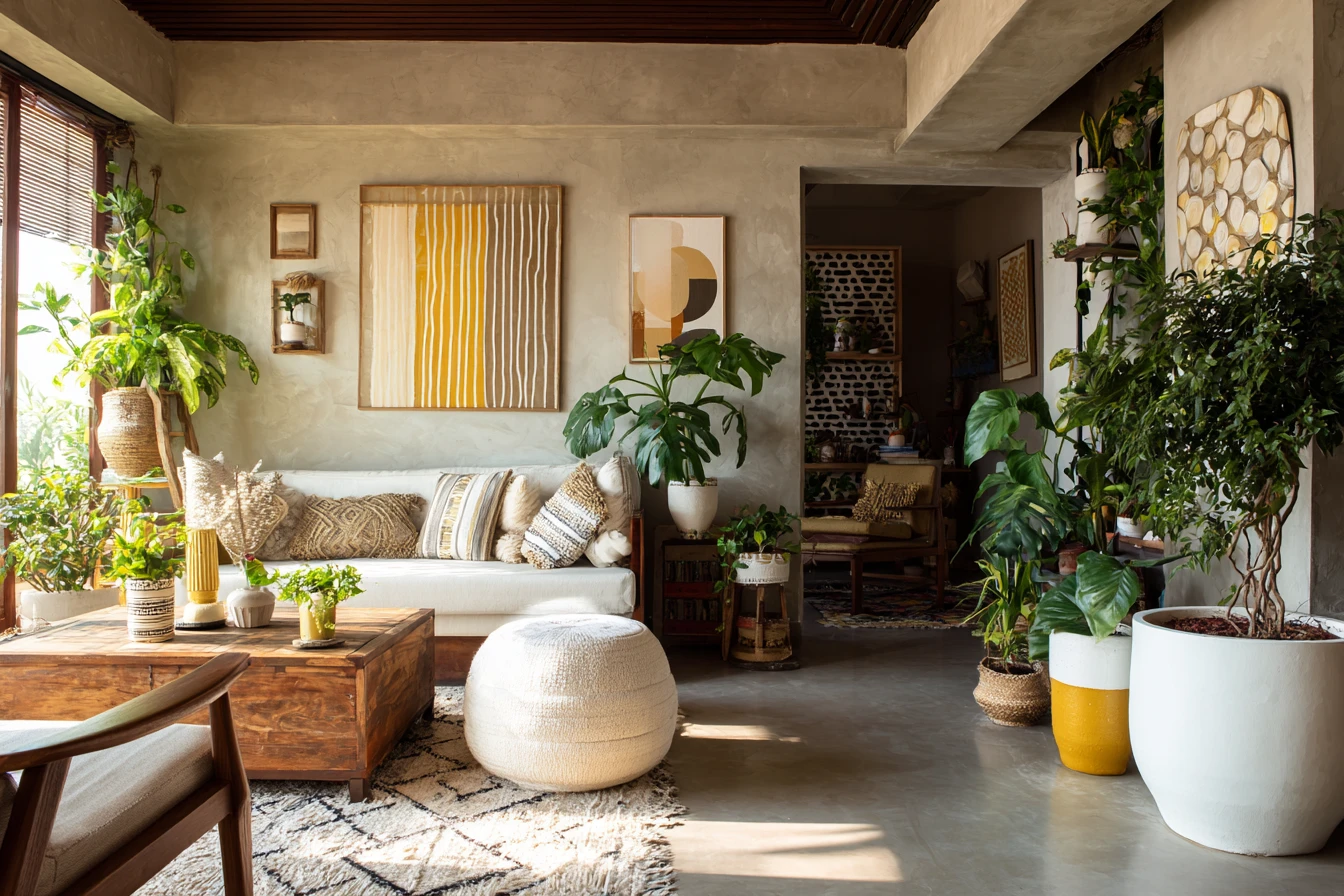
The entryway is the opening chapter of your home. It serves as the physical transition between the chaotic outside world and your personal sanctuary, offering guests their very first impression of your design aesthetic. Far too often, this critical zone becomes a neglected dumping ground for muddy shoes, scattered mail, and stray keys. Transforming your foyer into a warm, deeply welcoming space requires a thoughtful balance between functional utility and visual storytelling. By intentionally curating layers of light, texture, color, and organizational structure, you can craft a threshold that greets you with comfort every time you step through the front door.
Establish a Clear Focal Point
Every successful interior space requires an anchor that immediately catches the eye and establishes the design narrative. In an entryway, this visual anchor dictates the mood and draws people into the home.
A classic and highly effective way to create a focal point is with a statement console table. Choose a piece that reflects the architectural soul of your home, whether that is a rustic reclaimed wood table, a sleek mid-century modern credenza, or a minimalist metal frame console. The surface of this table acts as a canvas where you can compose a balanced vignette. Pair an oversized ceramic vase filled with seasonal branches alongside a stack of art books and a scented candle to create an immediate sense of life and intention.
If your entryway is constrained by a narrow hallway or lacks the floor space for a traditional table, shift your focus to the walls. A dramatic gallery wall featuring framed family photographs, architectural sketches, or abstract landscape art can serve as an incredible conversation starter. Alternatively, a bold accent wall using rich paint colors like deep olive green, moody charcoal, or warm terracotta can instantly define the entry zone without taking up a single square inch of physical floor space.
Maximize Light and Reflection
Entryways are notorious for being dark, narrow spaces that lack abundant natural light. You can overcome these architectural limitations by using mirrors to manipulate light and create the illusion of spaciousness.
Placing a large mirror above your console table or mounting a full-length mirror directly opposite a window acts as a visual amplifier. The glass captures whatever natural light enters the space and bounces it deep into adjoining hallways, instantly making a cramped foyer feel double its actual size. Beyond the practical benefit of allowing for a quick appearance check before you head out the door, the frame of the mirror itself offers an opportunity to inject personality. A round mirror with a thick, textured wooden frame introduces softness to a angular hallway, while a geometric brass frame adds a touch of modern sophistication.
To complement the reflected daylight, design a layered lighting plan for the evening hours. Relying solely on a harsh overhead builder-grade fixture can make a space feel institutional and cold. Instead, introduce a dimmable statement pendant light or a pair of elegant wall sconces that cast a soft, upward glow. If space permits on your console table, add a small accent lamp with a fabric shade. The diffused, warm illumination from a table lamp creates an intimate, low-glare ambiance that feels instantly relaxing.
Incorporate Rich Textures and Organic Materials
A space devoid of texture can feel clinical and flat. To build an atmosphere that radiates warmth, look to the natural world for materials that possess inherent depth and tactile appeal.
The floor is a great place to start building these physical layers. A high-quality runner rug serves multiple purposes: it protects your hardwood or tile from heavy foot traffic, dampens the echo of footsteps, and introduces pattern and color. Look for durable, low-pile materials like jute, sisal, or performance wool that can withstand the elements while offering a soft landing for your feet. A vintage Turkish runner with faded jewel tones can instantly ground a modern space and give it a timeless, lived-in feel.
Introduce organic elements throughout the rest of the foyer to break up the hard lines of cabinetry and walls. Woven seagrass or rattan baskets placed underneath a bench provide excellent hidden storage while contributing a rustic texture. Incorporate life by bringing the outdoors inside. A potted snake plant, a structural monstera, or a simple vase of fresh eucalyptus leaves introduces vibrant green tones and organic shapes that clean the air and signal growth and vitality.
Balance Form and Functional Storage
An entryway cannot truly feel welcoming if it is cluttered and disorganized. True hospitality lies in anticipating the practical needs of both your family and your guests, ensuring there is a dedicated, intuitive place for every everyday object.
If space allows, integrate a stylish wooden bench into your entryway layout. A bench provides a comfortable place to sit while putting on or removing shoes, which immediately signals to guests that they are welcome to slow down and stay a while. Choose a bench with built-in lower shelving or an open underside where you can slide matching storage bins. This allows you to hide messy items like dog leashes, umbrellas, and kids shoes completely out of sight.
For smaller items that easily create visual clutter, rely on the power of small scale containment:
-
A Catchall Ceramic Bowl: Place a beautiful handmade pottery dish or a carved wooden tray on your console table specifically to hold keys, wallets, and loose coins.
-
Decorative Wall Hooks: Mount heavy-duty brass or matte black iron hooks at varying heights. Use them to hang everyday coats, wide-brimmed hats, and canvas tote bags, turning your functional outerwear into a dynamic design element.
-
An Umbrella Stand: Position a tall ceramic cylinder or a vintage brass canister near the door to neatly corral wet umbrellas before they can trail water across your floors.
Frequently Asked Questions
How can I make a very small apartment entryway feel distinct when it opens directly into the living room?
You can create a psychological boundary without building walls by using a large area rug to physically define the boundaries of the entry zone. Additionally, backing your living room sofa up to the entrance and placing a slim console table against the back of the couch creates a faux hallway that naturally channels foot traffic and establishes a dedicated drop zone for keys and bags.
What are the best paint finishes to use in a high traffic foyer?
Because entryways are highly prone to scuffs from bags, muddy coats, and dirty hands, avoid flat or matte paint finishes which are incredibly difficult to clean. Instead, opt for satin or semi-gloss finishes for your trim, doors, and wainscoting, and a durable eggshell finish for the main walls. These finishes offer a subtle, elegant sheen and can be easily wiped down with a damp cloth without damaging the paint.
How do I prevent a rug from slipping on smooth entryway tile or hardwood floors?
Safety is paramount in a high-traffic entry zone. Always place a high-quality, non-slip rubber or felt rug pad beneath your runner. Avoid cheap PVC pads, which can degrade over time and permanently discolor or damage hardwood floor finishes. A proper pad also adds an extra layer of cushioning, extending the life of your rug.
How can I address unpleasant outdoor odors right at the threshold of my home?
Scent plays a massive role in how a home is perceived. Avoid heavy, artificial aerosol sprays that simply mask odors. Instead, use natural odor neutralizers like a small, hidden bowl of baking soda or activated charcoal to absorb mustiness. Complement this with a high-quality reed diffuser or a soy candle featuring comforting, universal notes like amber, cedarwood, vanilla, or white tea.
What is a creative alternative to a traditional console table if my hallway is too narrow?
If a standard console table blocks your walkway, look into floating shelves or a wall-mounted ledge. A thick, live-edge wooden floating shelf mounted at waist height gives you the surface space needed for a key bowl and a small vase of flowers without requiring any legs, keeping the floor area open and maintaining an unobstructed pathway.
How high should I hang artwork or a mirror in the entryway?
A common mistake is hanging wall decor too high. As a general rule of interior design, the center point of your artwork or mirror should sit at eye level, which is roughly 57 to 60 inches from the finished floor. If you are hanging a piece directly above a console table, aim for a gap of roughly 4 to 8 inches between the bottom of the frame and the top of the table surface to keep the elements visually connected.
