

Understanding the Water Damage Landscape in Cape Cod
The Unique Climate Challenges of Cape Cod
Located at the southeastern tip of Massachusetts, Cape Cod is known for its picturesque views, sandy beaches, and charming seaside towns. However, the region’s unique climate poses specific challenges that contribute to the prevalence of water damage in homes and businesses. The Cape experiences a temperate maritime climate characterized by warm summers and cold, windy winters. This variability in weather can lead to sudden and severe storms that result in flooding, leaving many properties vulnerable to water intrusion.
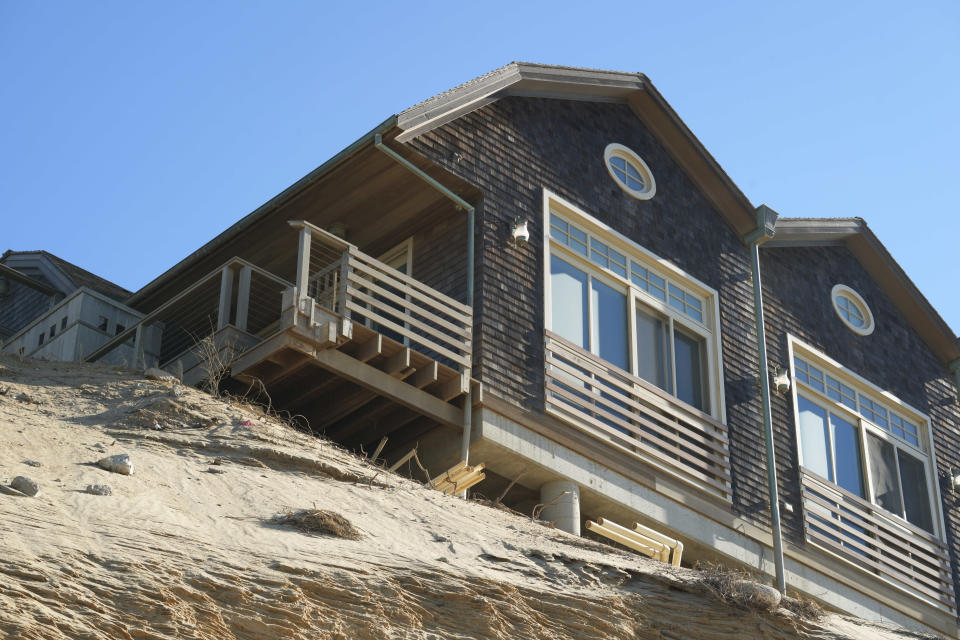
Furthermore, coastal erosion is prevalent, exacerbated by rising sea levels due to climate change. These environmental factors not only increase the likelihood of flooding but can also compromise the structural integrity of buildings. Snowmelt in the spring can add to the existing water table and lead to basement flooding, while heavy rainfall can overwhelm drainage systems. This cycle of moisture accumulation and drainage failure contributes to the prolonged exposure of homes to water, creating an environment conducive to mold growth and other severe issues if left unaddressed.
Common Causes of Water Damage in Coastal Areas
In coastal regions like Cape Cod, several common causes of water damage can lead to significant structural and aesthetic issues. One of the most predominant factors is the natural topography of the area, characterized by low-lying land that can easily retain water. Storm surges during hurricanes or nor’easters can inundate properties with saltwater, leading to corrosion and contamination. Roof leaks, stemming from poorly maintained roofing materials, are another critical concern, as they can allow rainwater to infiltrate ceilings and walls.
Additionally, common plumbing issues such as burst pipes, leaking fixtures, and faulty water heaters are consistent problems that residents face, especially during temperature fluctuations that can cause pipes to freeze and expand. Furthermore, problems arising from inadequate gutters or downspouts can lead to water pooling around the foundation, posing risks of seepage into basements and crawl spaces. Identifying and addressing the root causes of water damage is crucial for homeowners before the issues escalate into costly restorations.
The Long-Term Impact of Neglected Water Damage
Neglecting water damage not only compromises the comfort and safety of occupants but can lead to severe long-term consequences for both health and property value. Over time, water intrusion can cause extensive structural damage, including rotting wood, crumbling drywall, and weakened foundations. These issues can become exponentially more complicated and costly to repair, often requiring extensive renovation or even complete replacement of compromised structures.
Health implications are another significant concern associated with neglected water damage. Mold spores thrive in damp environments and can spread quickly, leading to respiratory problems, allergic reactions, and other serious health issues. Children, the elderly, and individuals with pre-existing health conditions are particularly vulnerable to the effects of mold exposure. Ignoring signs of water damage can lead to escalating health crises, necessitating medical attention and further expenses linked to both health care and property damage mitigation.
Expert Techniques for Effective Water Restoration
Modern Innovations in Water Extraction Technology
The water restoration industry has evolved considerably over the past few years, integrating state-of-the-art technology that enhances effectiveness in damage assessment, extraction, and restoration processes. Professional restoration companies now utilize advanced water extraction machines that reduce moisture levels quickly and efficiently, minimizing damage to flooring and walls. These units can pull excess water from carpets and absorb moisture from wood, effectively preventing warping and fungal growth.
Infrared thermography is another innovative technology transforming water restoration efforts. This technology enables technicians to identify hidden pockets of moisture in walls and ceilings without invasive drilling or demolition. By employing thermal cameras, professionals can analyze temperature differences that suggest areas of trapped water, allowing for targeted treatment. This minimizes disruptions to living spaces while ensuring all potential water damage is addressed, ultimately saving time and costs associated with repairs.
Restoration vs. Replacement: Making the Right Choice
When it comes to managing water damage, homeowners often face the challenge of deciding whether to restore or replace damaged materials. This decision can be complex and greatly impacts the time and cost of the restoration process. Factors to consider include the extent of the water damage, the value of the items or materials in question, and the degree of risk associated with replacement materials.
For example, in cases of minor damage where structural integrity is maintained, restoration may be the ideal and cost-effective route, allowing homeowners to retain original features and craftsmanship. Conversely, extensive damage resulting from prolonged exposure to water often necessitates replacement for ensuring safety and compliance with building codes. Understanding the unique circumstances of each case and consulting with restoration professionals can help guide homeowners through these critical decisions.
The Role of Mold Remediation in Water Damage Recovery
Mold growth is one of the primary concerns following water damage, making mold remediation a vital component of the water restoration in Cape Cod process. The right approach to mold remediation ensures the health and safety of occupants while effectively restoring the affected spaces. Once mold is detected, it is essential to isolate the contaminated area to prevent spores from spreading throughout the home.
Restoration professionals typically follow a systematic process for mold remediation, including assessing the extent of the problem, safely containing the mold, eliminating the source of moisture, and using specialized cleaning agents to remove the mold from surfaces. This process may also involve air purification techniques to eliminate mold spores from the air. Furthermore, it’s crucial to employ preventative measures to avoid future mold growth, which includes ensuring proper ventilation, controlling humidity levels, and repairing leaks promptly. Comprehensive mold remediation not only restores the property but also ensures a safe and healthy living environment.
Navigating Insurance Claims for Water Damage Repairs
Understanding Your Policy: What’s Covered and What’s Not
Navigating insurance claims following water damage can be a daunting task for homeowners. Understanding the intricacies of what is covered under a home insurance policy is critical for ensuring proper financial protection. Most standard homeowners insurance policies cover specific types of water damage, such as those stemming from sudden incidents like burst pipes or overflow from appliances. However, it’s essential to recognize that damage caused by neglect, poor maintenance, or gradual leaks may not be covered.
Coastal residents may find that their policies include additional endorsements or exclusions related to flooding due to the heightened risk associated with living in coastal regions. Flood insurance, typically purchased separately through the National Flood Insurance Program (NFIP), is vital for coverage against flood-related damages. Homeowners should consult with their insurance agents regularly to understand their policies fully, manage expectations, and make informed decisions when pursuing claims.
Tips for Documenting Damage Effectively
Effective documentation is key to ensuring that your insurance claim is processed swiftly and successfully. After experiencing water damage, homeowners should immediately take extensive photos or videos to capture the extent of the damage, from structural issues to affected personal belongings. It is crucial to record each room and highlight specific areas of concern, as these visuals serve as compelling evidence to support claims.
Additionally, keeping detailed notes regarding the timeline of events surrounding the water intrusion, including when the damage started and how it progressed, can aid claims processing. This information should also include any communications with restoration professionals, contractors, or remediation teams. Collecting and organizing invoices, estimates, and other important documents will provide further clarity and can enhance the chances of receiving a fair settlement from the insurance company.
Working with Adjusters: Strategies for Success
Once you’ve filed an insurance claim, your insurance company will assign an adjuster to assess the damage and determine the compensation you will receive. Engaging effectively with adjusters is crucial for ensuring a smooth claims process. Start by preparing for the adjuster’s visit by assembling all documentation, including photos, receipts, and notes about conversations with repair personnel.
When meeting with the adjuster, ensure that you communicate openly about the extent of the damage, using your documented evidence to support your claims. It’s often beneficial to have a trusted restoration professional present during the inspection, as they can provide additional insights and evidence that the adjuster may not have considered. Finally, be persistent and follow up regularly to ensure your claim is being processed in a timely manner. Establishing clear communication can significantly enhance the likelihood of a favorable outcome.
Preventative Measures: Securing Your Cape Cod Property
Smart Landscaping: Redirecting Water Away from Your Home
Proper landscaping plays an essential role in preventing water damage and is particularly crucial in a coastal environment like Cape Cod. Homeowners can proactively manage water flow by directing it away from their home’s foundation. This can be achieved through strategic grading of the lawn, ensuring that the landscape slopes downward away from the house.
Additionally, utilizing natural drainage systems, such as rain gardens and permeable pavements, can help absorb rainwater rather than allowing it to pool near the foundation. Furthermore, planting native vegetation can enhance soil stability and reduce erosion risks. Incorporating features like French drains or dry wells can also create a more effective water management strategy, ensuring that heavy rainfall is diverted away from the property and minimizing potential flooding from excessive runoff.
Seasonal Maintenance Tips to Protect Against Water Damage
Seasonal maintenance plays a critical role in safeguarding properties against water damage. Homeowners in Cape Cod should undertake regular inspections of their roofs, gutters, and downspouts, ensuring that they are clear of debris to facilitate proper drainage. Cleaning gutters at least twice a year, particularly before and after the rainy season, can minimize the potential for water overflow and subsequent damage to siding or foundation.
Moreover, during the fall months, it’s wise to inspect and repair any cracks in driveways or walkways that can trap water during winter, leading to cracks and further deterioration. Checking the caulking around windows and doors can prevent water intrusion during storms, ensuring the home remains energy-efficient and protected. Completing a thorough maintenance checklist every season can be a game-changer in detecting vulnerabilities and preventing costly repairs due to water damage.
Investing in Technology: Smart Home Solutions for Water Monitoring
The advent of smart home technology has ushered in solutions that enable homeowners to monitor and manage water usage effectively. From leak detection sensors to smart irrigation systems, these technologies can not only prevent water damage but also facilitate immediate responses to potential issues. Leak detectors can be strategically placed in areas prone to water intrusion, such as basements and under sinks, providing real-time alerts to homeowners if moisture levels rise unexpectedly.
Additionally, smart irrigation systems can optimize water use outdoors, adapting to real-time climate conditions, thus preventing water overflow that could lead to foundation issues. Investing in these technologies not only bolsters a home’s resilience against water damage but also promotes sustainable practices that benefit the environment, a particularly pressing consideration in regions like Cape Cod, where conservation efforts are vital for preserving natural landscapes.
FAQ
Question: How can homeowners identify early signs of water damage? – Homeowners can look for signs such as discoloration on walls and ceilings, unusual musty odors, and the presence of mold or mildew. Additionally, they should check for leaks around plumbing fixtures and water spots on floors or carpets.
Question: What immediate actions should be taken after water damage occurs? – The first step is to ensure safety by turning off electricity and moving valuables to a dry area. Next, it’s crucial to stop the source of water if possible, followed by drying affected areas using fans, dehumidifiers, and removing soaked materials.
Question: How often should homeowners perform preventative maintenance to protect against water damage? – It is recommended to conduct seasonal inspections at least twice a year, focusing on roofs, gutters, and foundations. Additionally, regular checks after significant weather events are advisable to catch any potential issues early.
Question: What should be included in an insurance claim documentation package? – An effective insurance claim documentation package should include detailed photos of the damage, a timeline of events, receipts for any immediate repairs, communication records with professionals, and any estimates for restoration work.
Question: Are there any specific landscaping tips to prevent water pooling around foundations? – Yes, homeowners should ensure their landscape slopes away from the foundation, use native plants to stabilize soil, and incorporate features like French drains or rain gardens to redirect water effectively.
Question: How can advanced technology aid in water damage prevention? – Smart home technologies such as leak detection sensors and smart irrigation systems provide real-time monitoring and alerts for potential water intrusion, helping homeowners take immediate action to prevent damage.
Question: What health risks are associated with neglected water damage? – Neglected water damage can lead to mold growth, which poses serious health risks such as respiratory issues, allergies, and exacerbation of pre-existing conditions, particularly for vulnerable populations like children and the elderly.
Question: When is it necessary to consult a water restoration professional? – It is advisable to consult a professional when the extent of water damage is significant, such as structural compromise, when mold is present, or when the source of water intrusion is difficult to identify or control independently.
Useful Resources
