
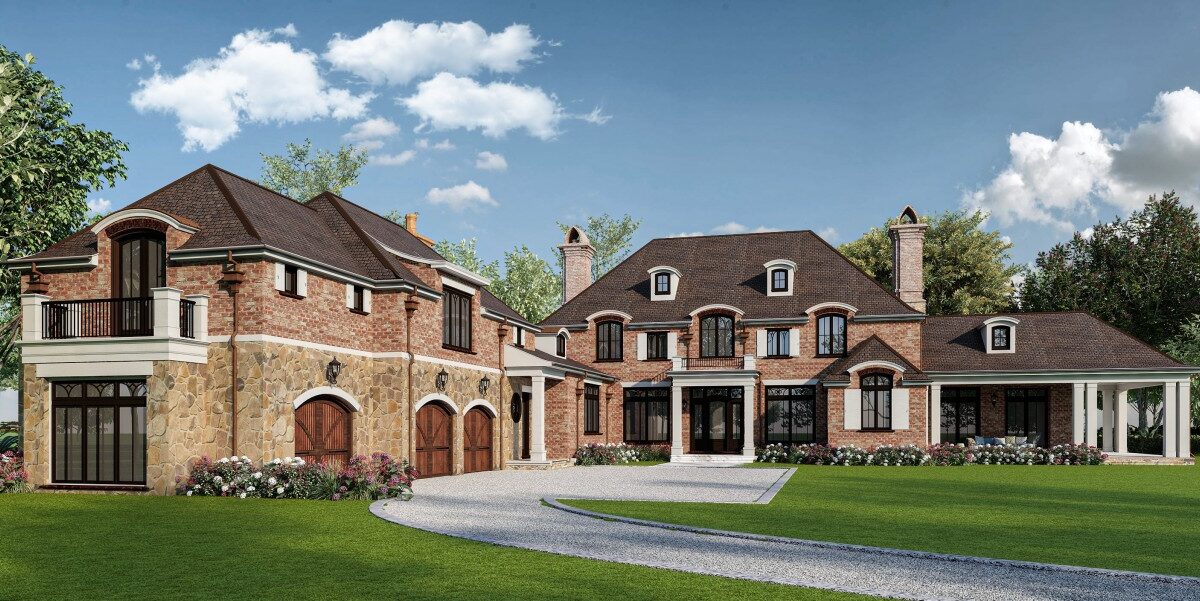

The exterior of a home is more than just a protective shell; it is the first point of interaction between the building and the outside world. It is the face of the dwelling, the first impression visitors or passersby will have, and a reflection of the homeowner’s personal taste and style. A well-designed exterior does more than offer curb appeal—it provides a welcoming entrance, showcases the architectural integrity of the home, and can even increase property value. As with interior design, exterior design is a delicate balance of aesthetics, function, and innovation. Whether you’re revamping an existing exterior or designing one from scratch, there are several key considerations to keep in mind to create a lasting and impactful impression.
1. Understand the Architectural Style
The architectural style of a home serves as the foundation for the design of its exterior. Each style has its own distinct characteristics, and maintaining a consistent theme ensures that the design feels cohesive and intentional. Whether your home is a classic Colonial, a sleek modernist design, or a charming farmhouse, your exterior elements—such as the materials, roofing, and windows—should align with the style’s principles.
For example, a traditional Colonial home might feature brick or wood siding, a gable roof, and symmetrical windows, while a contemporary home may embrace minimalist lines, large windows, and an industrial aesthetic with concrete and steel. Understanding the nuances of your home’s architectural style will guide your decisions regarding exterior finishes, colors, and landscaping choices, ensuring the home’s design feels authentic and harmonious.
2. Choose the Right Materials
The materials you choose for your home’s exterior play a significant role in both the appearance and the longevity of the structure. From siding and roofing to windows and doors, every material should not only complement the aesthetic but also be durable and weather-appropriate for your climate.
Wood, for example, offers a warm, natural look and is often used in rustic or traditional homes, but it requires regular maintenance to protect it from the elements. On the other hand, materials such as brick, stone, and concrete are highly durable and often give off a sense of permanence and sophistication. For a modern touch, metal, glass, and even composite materials can provide a sleek, contemporary feel while ensuring long-term durability. Choosing the right material requires considering both aesthetics and practicality—balancing style with maintenance and longevity.
3. Play with Color
Color is one of the most transformative elements in exterior design, capable of changing the perception of a home’s size, shape, and overall character. When selecting a color palette for your home’s exterior, it’s essential to consider both the architectural style and the surrounding environment.
Neutral shades such as white, gray, and beige are timeless and versatile, creating a clean, sophisticated appearance. These shades work well in a variety of settings and allow other elements—such as landscaping, doors, or architectural details—to stand out. However, bolder choices can lend personality and flair to your exterior. Rich blues, deep greens, and warm terracotta tones can give a home a unique identity, evoking feelings of calm, vibrancy, or even rustic charm.
A carefully chosen accent color for trim, shutters, or doors can also make a dramatic difference. For example, a rich navy door against a soft gray facade can add a touch of elegance and contrast, while a bright red door might invoke a sense of energy and boldness.
4. Landscaping: Extending the Living Space
Landscaping plays an integral role in exterior design, helping to soften the architectural elements and connect the home to its natural surroundings. Thoughtfully designed outdoor spaces can create a seamless transition between the built environment and nature, transforming a home’s exterior into a vibrant living area.
Consider using a mix of plants, flowers, trees, and shrubs that complement the color scheme and architectural style of your home. Low-maintenance, drought-tolerant plants such as succulents or native grasses are great options for creating a modern, minimalist landscape, while lush gardens filled with perennials and flowering plants can add vibrancy to a more traditional home.
Incorporating hardscape elements like pathways, retaining walls, and outdoor seating areas can further enhance the exterior design by adding structure and function. A well-placed bench under a tree or a stone path leading to the front door can invite guests to pause and enjoy the surroundings. The goal is to create a harmonious balance between architecture and landscaping, ensuring that both elements work together to enhance the overall aesthetic.
5. Focus on Lighting
Lighting is a crucial, yet often overlooked, aspect of exterior design. Not only does it serve a functional purpose—illuminating pathways, entrances, and outdoor living areas—but it also adds drama and creates ambiance. Well-placed exterior lighting can highlight architectural features, draw attention to landscaping, and even enhance the home’s security.
Begin with ambient lighting that provides overall illumination, such as wall sconces or post lights near the entrance. To add layers, incorporate accent lighting to spotlight unique design elements, like a beautiful sculpture or the texture of a stone wall. Task lighting, such as lantern-style lights along a driveway or by the front door, ensures safety and visibility at night.
Landscape lighting is particularly effective in drawing attention to the beauty of plants, trees, or water features after dark. Path lights along a walkway or uplighting on a tree can create a striking effect, transforming the exterior when the sun goes down. Additionally, dimmable lights offer flexibility, allowing you to adjust the lighting to suit different moods and occasions.
6. Enhance the Entryway
The entryway of a home is often the focal point of the exterior, and it should make a lasting impression. A well-designed front door can set the tone for the entire home, welcoming visitors with both style and function. When choosing a front door, consider both the material and design elements. A solid wood door conveys warmth and tradition, while a sleek glass-and-metal door suits a modern home.
The addition of architectural features like a porch, overhang, or decorative trim can elevate the entryway, making it feel inviting and grand. Don’t overlook the importance of hardware—unique door handles, locks, and light fixtures can enhance the look of the door while providing essential functionality.
Also, consider the surrounding area to make the entrance more inviting. Symmetrical landscaping, such as flanking potted plants or a statement piece like a small bench, can frame the door and draw attention. A welcome mat, a statement door knocker, or a wreath can add personality and charm to the entryway, reinforcing the theme of the home’s exterior.
7. Sustainability and Energy Efficiency
As environmental concerns grow, more homeowners are looking to create exteriors that not only look good but are also energy-efficient and sustainable. Incorporating energy-efficient windows, doors, and insulation can help reduce energy costs and enhance the home’s overall comfort. Reflective roofing materials, cool coatings, and solar panels are also great options for improving sustainability without compromising design.
Beyond energy efficiency, landscaping with sustainable practices, such as xeriscaping (the practice of using drought-tolerant plants) and rainwater collection, can also contribute to an eco-friendly exterior design.
Conclusion
The exterior of a home is an essential part of its identity, offering both functional and aesthetic value. A thoughtfully designed exterior creates an immediate and lasting impression, from the materials chosen to the landscaping that surrounds it. By focusing on the architectural style, color, materials, landscaping, and lighting, homeowners can craft a space that not only stands out in the neighborhood but also feels like a true reflection of their tastes and lifestyle. In the end, the exterior serves as a canvas—a beautiful introduction to the home within.

Related posts
Recent Posts
- The Growing Role of Video Door Phones in Smart Homes December 25, 2025
- What Influences the Real Value of a Home in the French Property Market December 24, 2025
- Small Space, Big Results How Trainers Design Effective Workouts For HDB And Condo Living In Singapore November 28, 2025
- Post-Pandemic Shift: Virtual Spin and On-Demand Classes Reshape the Spin Studio Singapore Landscape November 26, 2025
- Home Transformations: Designing Compact Aerial Yoga Spaces in Singapore Apartments October 28, 2025
- Hot Chocolate, Fairy Lights, and a Log Cabin: How to Build Your Own Winter Wonderland October 27, 2025
- Insurance Navigation for Water Damage Claims: A Property Owner’s Survival Guide October 12, 2025