
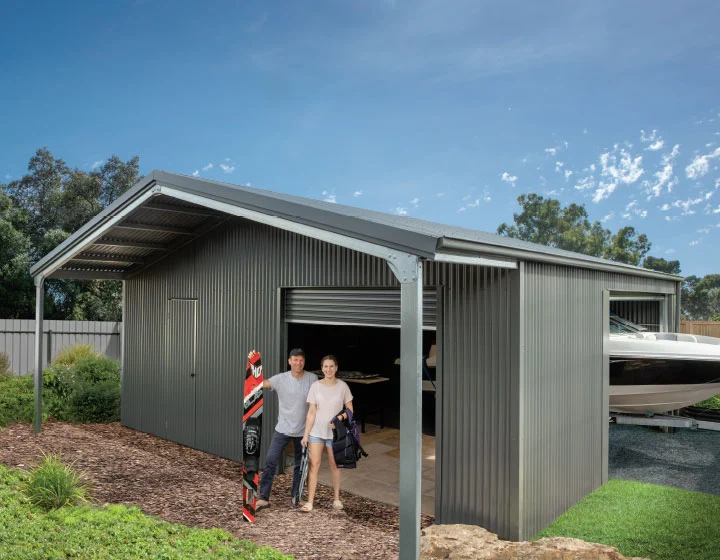

Installing sheds in Perth involves more than choosing a design and booking an installer. Perth’s soil conditions, climate, access limitations, and council regulations all influence how successful a shed project will be. Many problems that appear years later, such as cracking slabs, poor drainage, or approval delays, often start with inadequate preparation at the planning stage.
Understanding site preparation, foundation requirements, access planning, and local council expectations helps ensure your shed is built correctly, functions well long term, and avoids unnecessary costs or compliance issues.
Understanding Your Site Before Shed Installation
Every property in Perth is different. Suburban blocks, semi rural land, and acreage properties all present unique challenges. Before selecting a shed size or layout, the site itself must be assessed.
Key site factors to evaluate include:
-
Slope and natural drainage
-
Soil type and stability
-
Existing structures and services
-
Boundary locations and setbacks
-
Exposure to wind and weather
A proper site assessment helps prevent issues such as water pooling, uneven foundations, or restricted access during construction.
Ground Preparation and Earthworks
Site preparation is one of the most critical steps in installing a shed. Poor ground preparation often leads to structural movement, drainage problems, and premature wear.
Ground preparation typically involves:
-
Clearing vegetation and debris
-
Levelling uneven ground
-
Removing soft or unstable soil
-
Compacting the base material
-
Preparing for correct drainage flow
Taking time to prepare the site correctly creates a stable platform for the shed and reduces long term maintenance risks.
Soil Conditions and Their Impact on Shed Foundations
Perth’s soil conditions vary widely, from sandy coastal soils to clay based inland areas. Each soil type behaves differently under load and moisture changes.
Soil considerations include:
-
Sand which drains well but may require compaction
-
Clay which expands and contracts with moisture
-
Mixed soils that may need engineering assessment
-
Areas prone to erosion or water movement
Understanding soil behaviour helps determine slab thickness, reinforcement needs, and drainage solutions.
Choosing the Right Slab for Your Shed
The concrete slab is the foundation of the shed and must be designed to suit both the structure and its intended use.
Important slab considerations include:
-
Thickness suitable for storage or machinery loads
-
Reinforcement placement for strength
-
Level finish for doors and equipment
-
Allowance for drainage away from the slab
Workshops, vehicle storage, and machinery sheds typically require stronger slabs than general storage sheds.
Drainage Planning Around the Shed
Drainage is often underestimated but plays a major role in shed longevity. Poor drainage can cause water to flow under the slab or into the shed.
Effective drainage planning includes:
-
Sloping ground away from the shed
-
Installing spoon drains or channels if required
-
Managing roof water runoff
-
Avoiding placement in low lying areas
Good drainage protects the slab, reduces moisture issues, and keeps the shed usable during wet weather.
Access Planning for Installation and Daily Use
Access is important not only for construction but also for how the shed will be used day to day. Restricted access can limit functionality and increase installation costs.
Access planning should consider:
-
Entry points for delivery vehicles
-
Clearance for machinery or trailers
-
Turning space for vehicles
-
Pathways for regular foot traffic
Adequate access improves usability and reduces wear on surrounding areas.
Shed Orientation and Placement
The orientation of the shed affects ventilation, heat exposure, and workflow efficiency.
Placement considerations include:
-
Positioning doors away from prevailing winds
-
Maximising natural airflow
-
Reducing direct sun exposure where possible
-
Aligning access with driveways or paddocks
Thoughtful orientation improves comfort and reduces environmental stress on the structure.
Boundary Setbacks and Property Lines
Most Perth councils have setback requirements that dictate how close a shed can be built to boundaries.
Common setback considerations include:
-
Distance from side and rear boundaries
-
Height restrictions near fences
-
Fire separation distances
-
Neighbour impact considerations
Accurate boundary identification prevents disputes and compliance issues later.
Council Approval Requirements in Perth
Council approval requirements vary depending on location, shed size, height, and intended use. Some sheds may be exempt, while others require formal approval.
Approval factors often include:
-
Shed dimensions and height
-
Location on the property
-
Use classification
-
Impact on neighbours
It is important to confirm requirements with the local council before construction begins.
When Development Approval Is Required
Development approval may be required if the shed exceeds certain size limits or is located in sensitive areas.
Approval is more likely when:
-
The shed is large or tall
-
It is close to property boundaries
-
The property has special zoning
-
The shed is used for commercial purposes
Understanding these triggers avoids delays and potential fines.
Building Permits and Compliance
In addition to planning approval, building permits may be required to ensure the shed meets structural and safety standards.
Building compliance typically covers:
-
Structural design and engineering
-
Wind load ratings
-
Footing and slab specifications
-
Construction standards
Ensuring compliance protects both safety and property value.
Neighbour Considerations and Communication
Even when approvals are not required, it is good practice to consider neighbours during planning.
Neighbour friendly planning includes:
-
Avoiding overshadowing
-
Managing noise during construction
-
Respecting boundary lines
-
Maintaining visual appeal
Good communication reduces complaints and improves community relations.
Utilities and Services Planning
Before construction, it is important to identify existing services on the property.
Services planning includes:
-
Locating underground utilities
-
Planning power and lighting access
-
Allowing for future electrical upgrades
-
Managing water runoff systems
Avoiding service conflicts prevents costly disruptions.
Fire Safety and Bushfire Considerations
Fire risk is a reality in Western Australia, especially in outer suburbs and rural fringe areas.
Fire related planning may involve:
-
Maintaining clear space around the shed
-
Using non-combustible materials
-
Managing vegetation near the structure
-
Complying with local fire regulations
Fire conscious planning improves safety and compliance.
Planning for Future Expansion
Many shed owners later wish they had planned for expansion. Designing with future growth in mind saves money and effort later.
Future planning strategies include:
-
Allowing space for additional bays
-
Designing slabs for extensions
-
Positioning sheds to allow access later
-
Choosing modular layouts
Flexibility ensures the shed continues to meet changing needs.
Cost Factors Related to Site Preparation
Site preparation costs can vary significantly depending on conditions.
Cost influencing factors include:
-
Amount of earthworks required
-
Soil stabilisation needs
-
Drainage solutions
-
Access challenges
Accurate budgeting avoids surprises during installation.
Importance of Professional Assessment
Professional assessment of the site and foundations provides confidence that the shed will perform as expected.
Professional input can help with:
-
Soil assessment
-
Slab design
-
Compliance guidance
-
Efficient layout planning
Expert advice often prevents costly mistakes.
Frequently Asked Questions
Q: Do all sheds in Perth require council approval?
A: Not all sheds require approval, but requirements vary by council, size, and location, so confirmation is essential.
Q: Can a shed be installed on uneven ground?
A: Uneven ground usually needs levelling and proper preparation to ensure the slab and structure remain stable.
Q: How long does site preparation usually take?
A: Simple sites may take a few days, while complex sites with drainage or earthworks can take longer.
Q: Is drainage really that important for sheds?
A: Yes. Poor drainage is one of the most common causes of slab damage and moisture issues in sheds.
Q: Should I plan access for future equipment upgrades?
A: Planning wider access and clearance early makes it easier to adapt the shed as needs change.
